

EU Confirms 2026 Deadline for Deforestation Regulation Amid US Pressure


The EU expects no further delays to the December 2026 deadline for the deforestation regulation; it suggested this a week after US policymakers urged the Commission to implement the rule in its current form.
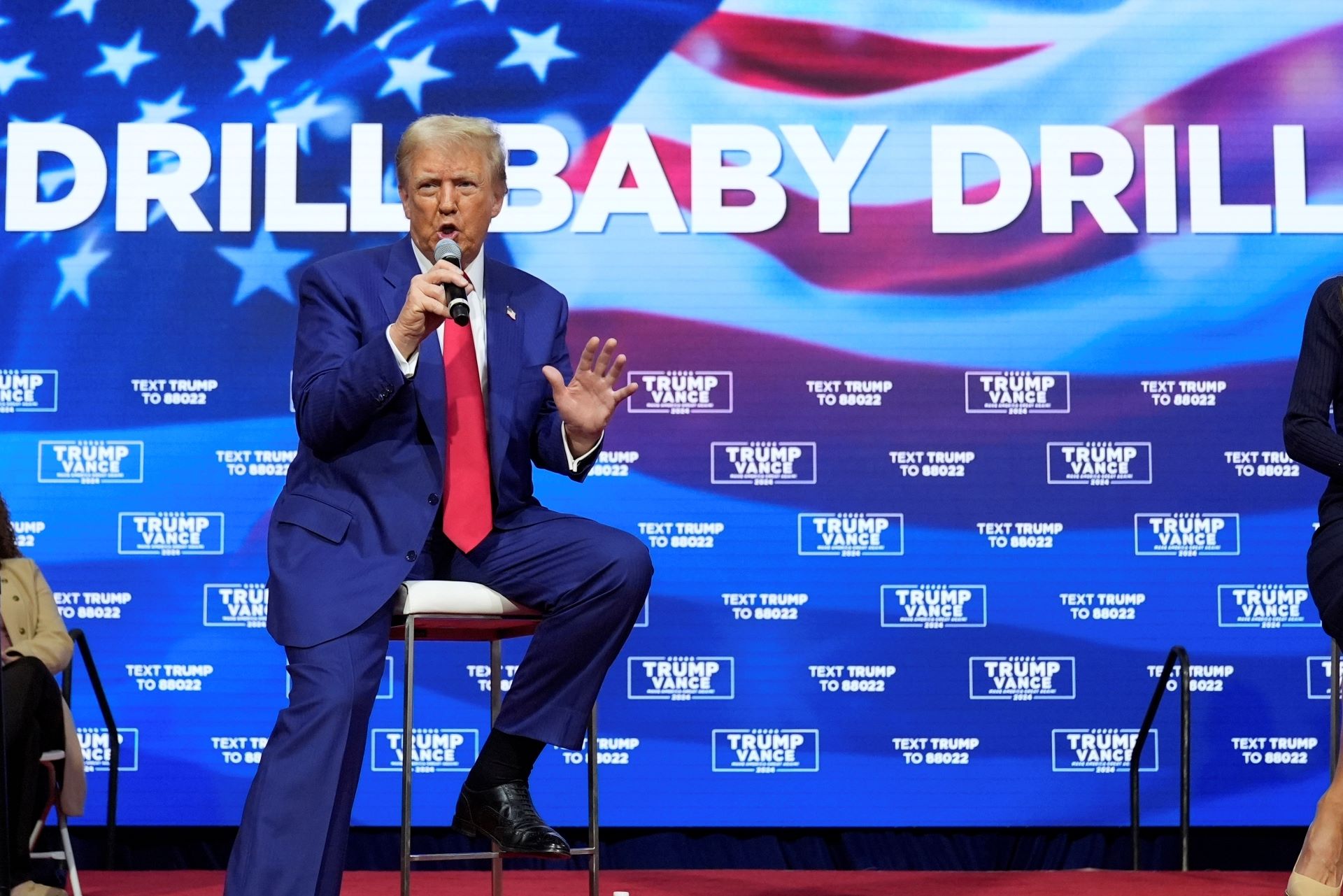
Amid mixed messaging from the Trump administration and the US Congress, the European Commission has indicated that its long-awaited Regulation on Deforestation-free Products (EUDR) will enter into force by the expected year-end deadline.
The EU’s executive body has published an updated FAQ document confirming that “the EUDR will be enforceable from 30 December 2026” and that implementation for “most micro and small operators” will begin on June 30, 2027.
“As 2027 will be the first year for which the EUDR applies, the first report (covering the year 2027) will have to be published after 30 December 2027,” the document reads.
It follows two rounds of delays to the legislation, which was first set to come into effect at the end of 2024, and faced pushback from businesses and national governments over the costs and the short compliance timeline.
The document also comes a week after 32 Congress members wrote to EU Commission President Ursula von der Leyen, urging her to “hold the line and implement the EUDR as currently written” amid the Trump administration’s efforts to weaken the regulation.
Trump ‘not a credible negotiator on EUDR’, say US lawmakers
The USDA has been lobbying stakeholders in European capitals to convince EU member states to reopen the EUDR and introduce a “no risk” classification for some countries, including the US.
UN data shows that the US is responsible for 120,000 hectares of forest loss annually over the last decade. Globally, over 10 million hectares of land are being deforested each year, accounting for up to 21% of global greenhouse gas emissions.
In the letter, Democratic representatives from 17 states argue that a “no risk” designation will “not only encourage forest loss and degradation, it will also disadvantage companies” that have prepared to comply with the EUDR, and “create uncertainty, inefficiencies, and inconsistencies across covered industries”.
“A ‘no risk’ designation exempting certain countries’ operators from traceability requirements and enforcement checks would prevent accountability and impede enforcement. It would create significant loopholes for forest degradation and create disadvantages for countries from the Global South,” the letter states.
It adds: “The EUDR is necessary to combat the existential climate crisis. We must use every tool in our toolbox to protect our planet, and in doing so, we must acknowledge that many countries pose at least some risk of deforestation.”
The letter, led by Representatives Lloyd Doggett and Rashida Tlaib, points to the Trump administration’s repeal of domestic forest protections and suggests that it “cannot be seen as a credible negotiator on the EUDR as it seeks to undermine both EU and US forest protections”.
A third delay risks market uncertainty and continued climate harm
The EUDR was first announced in 2023, banning companies from importing commodities like cocoa, coffee, soy, palm and oil – and selling products such as chocolate, furniture or tyres – from land that has been degraded or deforested after 2020.
It was supposed to come into force in December 2024, but the EU pushed it back a year after backlash from its own member states as well as countries across the world and the Biden administration in the US wrote to the bloc to request a two-year delay.
Businesses, meanwhile, argued that the timeline was too short to comply with the complex rules, for which they didn’t feel they received enough guidance. For instance, companies would have needed to use satellite monitoring to map their supply chains down to the farm where the raw materials were grown, even if they’re in remote or rural regions.
The EU’s planned enforcement for December 2025 failed to materialise too, with the Commission citing technical glitches in the IT system where businesses were to submit their due diligence documents. It then decided to push the compliance deadline by another year.
“A third delay risks continued harm to our planet and creates further market uncertainty,” the US Congress members say. “Now, it is time to move forward. Any additional delays will pose challenges on business leaders navigating global trade rules and regulations, particularly those who have already invested in compliance.”
“The Trump administration’s push for carveouts and exceptions, just like its designs around gifting public lands to logging interests, is an effort to hold the world back from the safe, sustainable supply chains we’ve now seen are possible,” said Jennifer Skene, global forest policy director at US environmental non-profit Natural Resources Defense Council.
“The EUDR has already helped open up that better future – we need the EU to stand strong, despite the Trump administration’s pressure and threats,” she added.