

Maple Leaf Foods Revives Yves Veggie Cuisine’s Plant Proteins in Canada

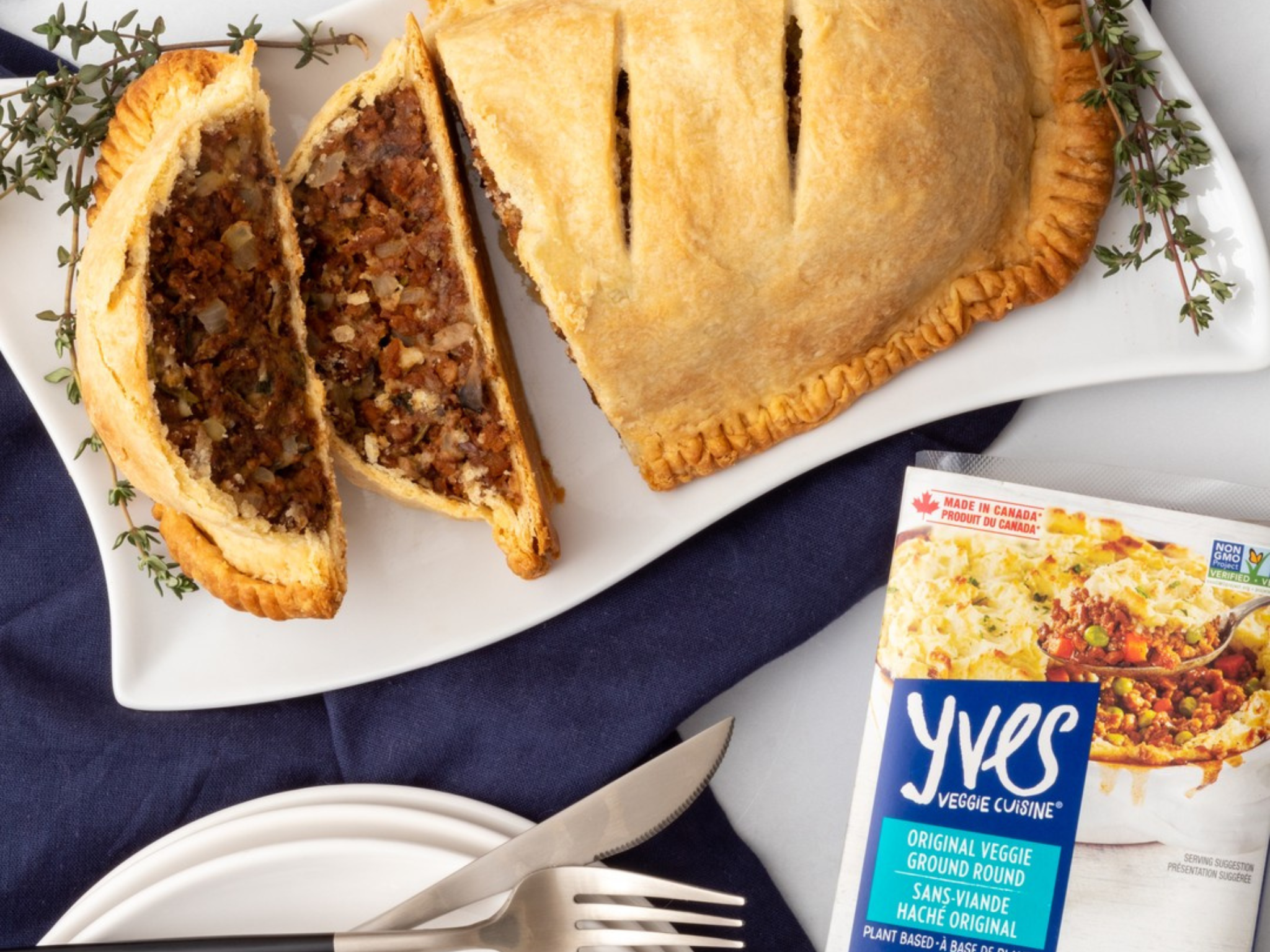
Legacy plant protein player Yves Veggie Cuisine is set to return to Canadian shelves a year after it was discontinued, following its acquisition by meat giant Maple Leaf Foods.
One of the world’s oldest plant-based meat brands is making a surprising comeback.
Yves Veggie Cuisine, founded in Canada in 1985, was discontinued by its parent company, Hain Celestial Group, last year as demand for its meat-free products softened.
Now, it is making a return to Canadian shelves through meat behemoth Maple Leaf Foods, which acquired the brand’s trademark from Hain Celestial in January, followed by another filing for a range of Yves Veggie Cuisine products.
The brand’s takeover was confirmed by Maple Leaf president and COO Adam Grogan in an interview with Canadian trade publication Grocery Business this week. The company plans to relaunch Yves Veggie Cuisine in time for Canada Day (July 1) with six meat-free SKUs.
Maple Leaf Foods to maintain Yves Veggie Cuisine recipes
Maple Leaf, which also owns plant-based brands Lightlife Foods and Field Roast, made a move for Yves Veggie Cuisine in December. According to Big Box Vegan, the Canadian Intellectual Property Office recorded a transfer of the latter’s trademark from Hain Celestial to Maple Leaf that month, which was then officially registered in January.
A month later, Maple Leaf filed a new trademark application that covered a range of products under the Yves Veggie Cuisine brand, including plant-based meat snacks and appetisers, burgers, hot dogs, bacon, nuggets, sausages, ready meals, and even blended meat.
Grogan said the move reflects the meat giant’s long-term strategy to build a diversified protein portfolio and meet evolving consumer demands for health, nutrition and variety. “Plant protein remains a core part of our vision to be the most sustainable protein company on Earth,” he told Grocery Business.
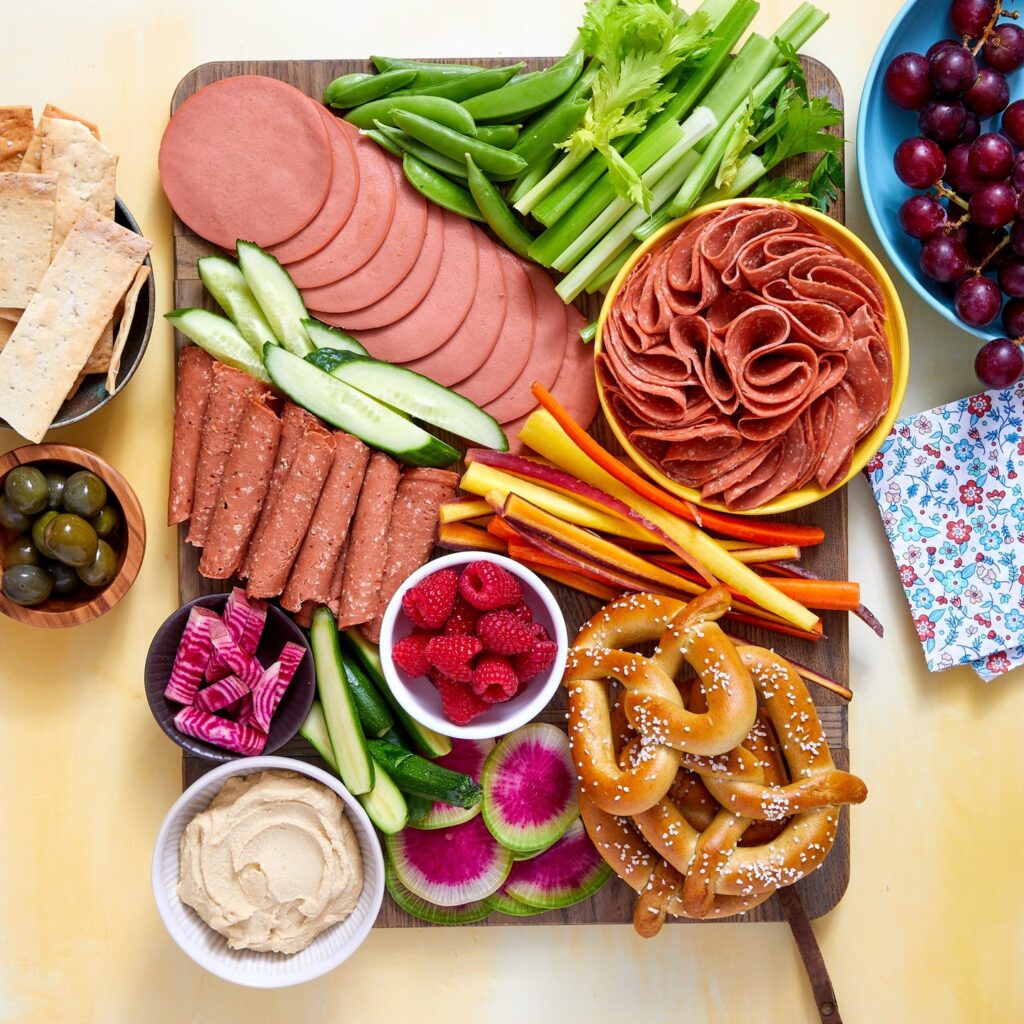
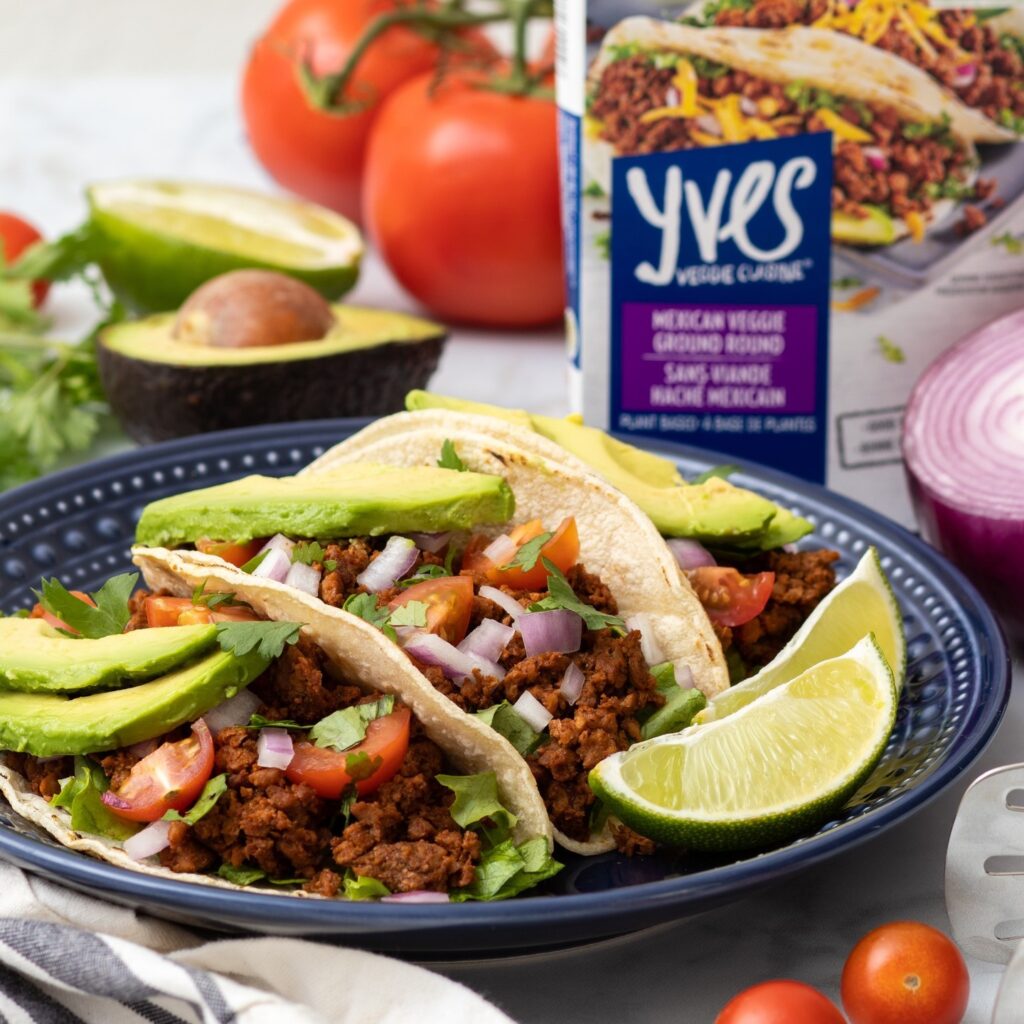
The relaunch will see six Yves Veggie Cuisine products return to Canadians supermarkets this year, representing around two-thirds of its portfolio. These include multiple iterations of its plant-based ground meat, as well as its deli-style ham and turkey slices.
Grogan suggested that the recipes and formulations of the returning SKUs will remain consistent with what consumers remember, alongside a focus on ingredient transparency and nutrition.
Maple Leaf will kick off a national marketing campaign to reignite consumer awareness and reposition the brand as a leader in the plant-based category.
Yves Veggie Cuisine a ‘gateway brand’ for people seeking more plant protein
Yves Veggie Cuisine was founded by plant-based industry pioneer Yves Potvin, and was one of the first commercially available plant-based meat brands available in North America.
At the turn of the century, its annual revenue reached $35M, and Potvin soon sold the brand to Hain Celestial (reportedly for $54M). At one point, Yves Veggie Cuisine supplied its soy-based burgers to McDonald’s in a test run for a McVeggie Burger in hundreds of Southern California stores.
Until 2023, things were going well for Yves Veggie Cuisine financially. Its market share in Canada rose by 2.7% in the frozen category and 0.7% in the fresh department in Q1. But things came to a head in 2024, when Hain Celestial ascribed the 5% year-on-year decline in net sales for its Meal Prep division in Q4 to “softness in meat-free”.
It announced the discontinuation of the brand in response to an Instagram comment in July 2025, stating that it made the decision after “careful consideration of how we can best focus our efforts to ensure long-term growth across our brand portfolio”. It was met with a wave of frustration and disappointment on social media, with some customers even calling for a boycott against Hain Celestial.
Now, Yves Veggie Cuisine has found a second life with Maple Leaf, which plans to lean into the brand’s heritage as a simple soy-based option to traverse through the rough waters of the meat-free category. The new SKUs will be manufactured at Maple Leaf’s existing US facilities, enabling the brand to benefit from established equipment, supply chains and food safety systems.
Grogan noted that this approach would ensure quality and consistency, and address some of the challenges that led to the plant-based pioneer’s decline. “It allows us to bring the brand back with the right level of scale, safety and operational rigour,” he said.
He added that the meat-free category is now entering a more stable phase after years of correction: “There’s growing demand for protein and fibre, and plant-based can play a role in that. We see Yves as a gateway brand – particularly for consumers looking to incorporate plant protein into their diets in a more approachable way.”