

As Asians Choose Dogs Over Babies, Mars & Big Food Players Hunt Next-Gen Pet Food Innovations

Mars Petcare has launched another edition of its global pet food innovation programme for sustainable proteins and fats, with an amplified focus on Asia-Pacific.
The market for sustainable pet food solutions has never been hotter.
Cultivated meat and fermentation-derived protein companies are attracting investment and rolling out new products for our furry friends, and one of the largest players in the pet food space is doubling down on its hunt for low-carbon innovations.
Mars Petcare has kicked off the third edition of its Next Generation Pet Food Program, focused on identifying and scaling breakthrough technologies to accelerate the industry’s transition towards a more planet-friendly supply chain.
This edition will place a stronger focus on the Asia-Pacific region, where younger generations are increasingly choosing to parent pets instead of children, and prioritising sustainability in the process.
Climate-friendly pet food in sharp focus
Pet food’s sustainability credentials have been in the spotlight of late. One recent study suggests that dogs fed premium, meat-heavy pet food can have a bigger dietary carbon footprint than their owners.
The production of the ingredients used in British dog food contributes around 1% of the country’s overall greenhouse gas emissions, the researchers found. In fact, producing enough food of the types fed to canines in the UK for canines globally could lead to emissions equivalent to over half those from burning jet fuel in commercial flights each year.
Some argue that using animal byproducts (such as bones, meat meal, or intestinal linings) means pet food has a lower environmental impact, since these ingredients would otherwise be discarded. Others, however, contend that byproducts have a worse environmental impact, as they require more livestock carcasses to produce the same amount of ingredients as human-grade meat.
The latest research backs this. Only around a quarter of animal byproducts produced in wealthy nations go to the pet food industry, which competes with the livestock, energy and pharma sectors for these ingredients.
This is why animal-free pet food is deemed the most effective measure to tackle the climate footprint of dogs and cats, even when accounting for the fact that most conventional pet food uses animal byproducts.
Mars Petcare’s programme is seeking startups with a range of low-carbon solutions for pet food, especially wet proteins (including high-moisture, nutritionally dense alternatives), ultra-low-carbon dry proteins (innovatively sourced meals and concentrates to ensure minimal emissions), and fats and oils (sustainable lipids and essential oils derived from renewable processes to replace animal fats).
Elisabetta Pierangelo, VP of R&D at Mars Pet Nutrition, noted that the company is committed to exploring new technologies and scaling innovation that could lower the climate impact of pet food: “Through previous cohorts, we’ve uncovered promising new solutions and seen transformative technological developments.”
Asians increasingly choose pets over babies
The pet food innovation programme, co-run by food tech investor Big Idea Ventures, is being held in collaboration with food technology specialist Bühler, flavour house Givaudan, and plant-based fat producer AAK, and ingredient giant Ingredion.
“We are connecting high-quality startups with the corporations that can actually support these innovations to market, particularly across alternative proteins, fats, and novel ingredients. The priority now is not just discovery, but accelerating adoption and creating a more efficient path to commercial reality,” said Andrew D Ive, founder and managing partner of Big Idea Ventures.
While companies from any region can apply, the organisers have a “strong preference” for those based in the Asia-Pacific region, including in Thailand, India, Malaysia, Vietnam, Australia, and New Zealand.
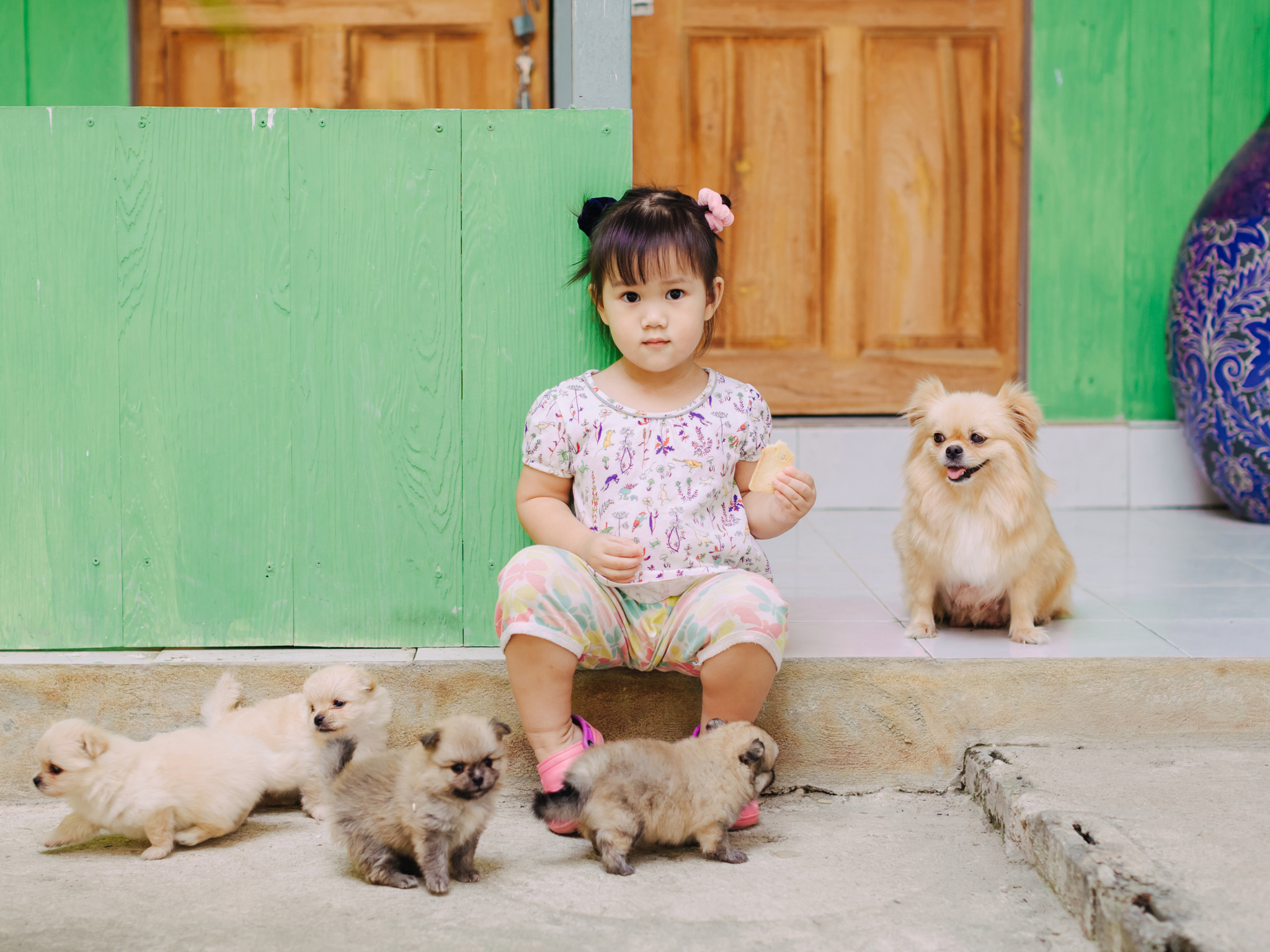
It reflects the shifting dynamics of parenting among Asia’s youth. Childbirth rates are declining across the continent, with people opting to marry later or not have children at all. Instead, they’re filling that gap by adopting dogs and cats, which is why pet ownership is skyrocketing here.
In Japan, for instance, cats and dogs outnumber children under the age of 15, a reversal from the norms of the mid-20th century, with busy lifestyles, career pressures and record low fertility rates cited as key factors. There are more pets than children under 15 in Taiwan now, too.
South Korea’s birth rate is the lowest in the world, with births falling by 60% from a peak in the 1970s. Households with pets, meanwhile, have doubled since the early 2010s, making up nearly a third of the total.
This shift is occurring in other countries as well. Analysts predict that China’s pet population will be nearly twice its population of kids under four by 2030. And in Australia, dogs are already overtaking kids in some suburbs.
And with the rise of pet humanisation, Asian owners want to give their companion animals the same kind of clean-label, whole-food, climate-friendly options that they buy for themselves. After all, Asia-Pacific is the second-largest market for alternative proteins, with sales hitting $9.2B last year.
Research shows that sustainability now ranks among the top eight factors influencing pet food purchases in Asia-Pacific – particularly among younger, eco-conscious consumers. It’s in the top five in markets like India and Indonesia.
“With Asia playing an increasingly important role, this is about building a global system that consistently delivers better, more sustainable ingredients at scale,” said Ive.