

Wageningen University & Research Opens AI-Enabled Facility to Bring Future Foods to Market

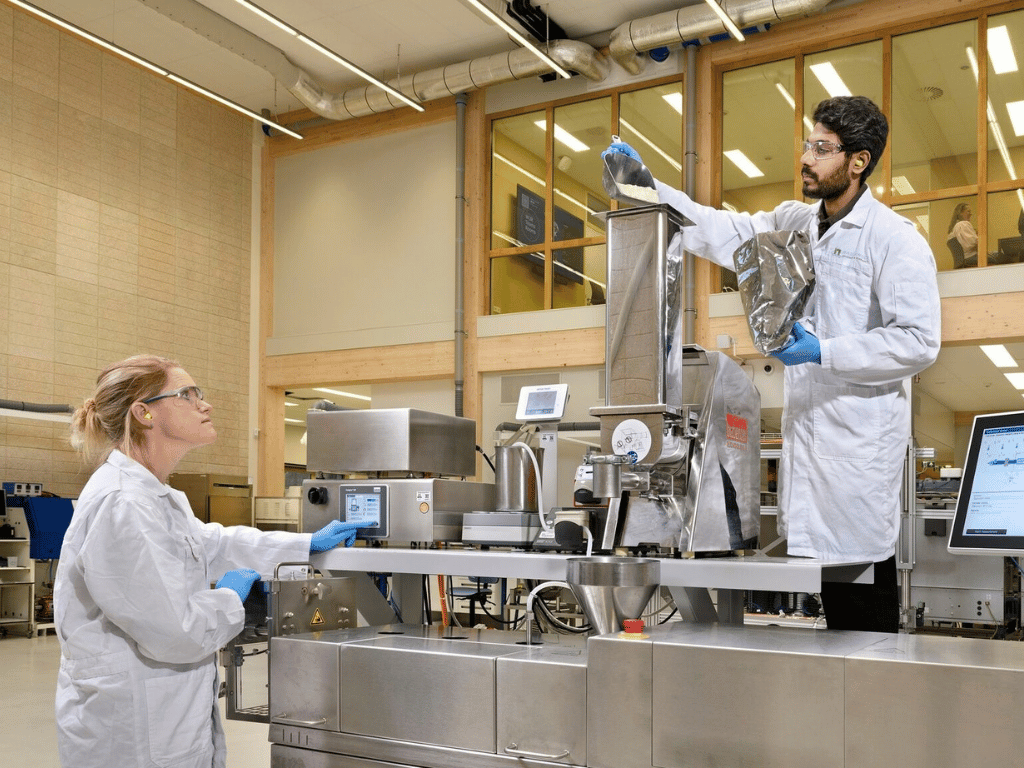
The Netherlands’s Wageningen University & Research has inaugurated a new R&D facility to accelerate the scale-up of sustainable foods like proteins, reduce food waste, and develop eco-friendly packaging.
One of the world’s leading institutes working on the future of food has launched a new hub designed to speed up the commercialisation of novel planet-friendly ingredients.
Wageningen University & Research (WUR), based in the Netherlands, has spawned many food tech startups, including Rival Foods, TTM Ingredients, Revyve, and Greencovery. Now, it’s building on that heritage with Cibia, a research and innovation facility to develop, test and scale up future foods.
The hub, which uses artificial intelligence (AI) for data analysis, has been financially backed by the Dutch agrifood ministry and the economy and climate policy ministry through the Facilities for Applied Research scheme.
“Innovations for the food systems of the future require more than good ideas and scientific knowledge. The key is to translate knowledge into applications that can make a real difference,” said Rianne Ruijschop, food tech research manager at WUR.
“At Cibia, we bring together the full innovation chain, from raw materials and technology development to product development, consumer acceptance and societal impact. This helps innovations move more quickly from research into practice.”
Using AI to analyse new ingredients
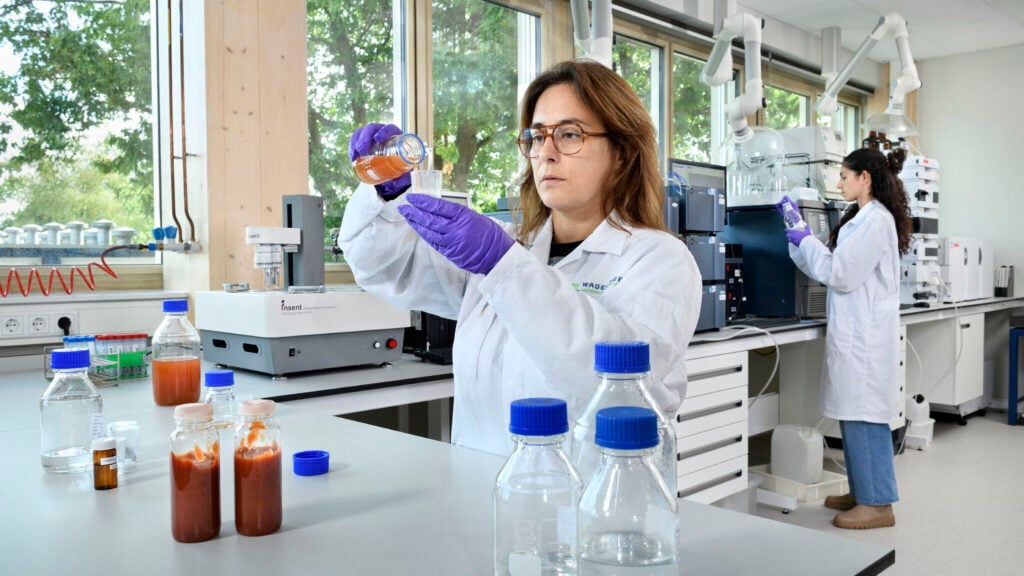
Cibia offers clients a bridge to develop and scale up new products through methods like separation, downstream processing, preparation and formulation, mild preservation, food structuring, mixing, and 3D food printing.
It offers highly professional kitchens, advanced sensors, analysis tools, and test labs for physical, chemical, microbiological, sensory, nutritional and health-related evaluation.
The data it collects is combined in AI-enabled digital models and digital twins. This helps optimise food innovations more quickly and effectively, while scenarios for energy and water use, salt and sugar reduction, and product quality can be explored too.
The sensory and consumer research also provides insights into product acceptance, food choices, and introducing healthier, more sustainable foods. Involving customers from an early stage in the innovation process can increase the likelihood that new products will successfully enter the market and become part of their daily diets.
The food tech products developed at Cibia include innovations that reduce energy and water use, better utilise raw materials, lower food waste, novel protein sources, and more climate-friendly packaging solutions.
Sustainability is embedded into the construction of WUR’s new facility as well, with the building designed to minimise its climate impact and make maximum use of low-carbon materials.
Timber makes up a large part of the load-bearing structure, significantly cutting emissions compared to conventional construction methods, as well as the façade (including durable elements designed for a long service life and limited maintenance needs). Concrete has only been used where technically or economically necessary – for instance, in parts of the flooring.
Collaboration is the name of the game
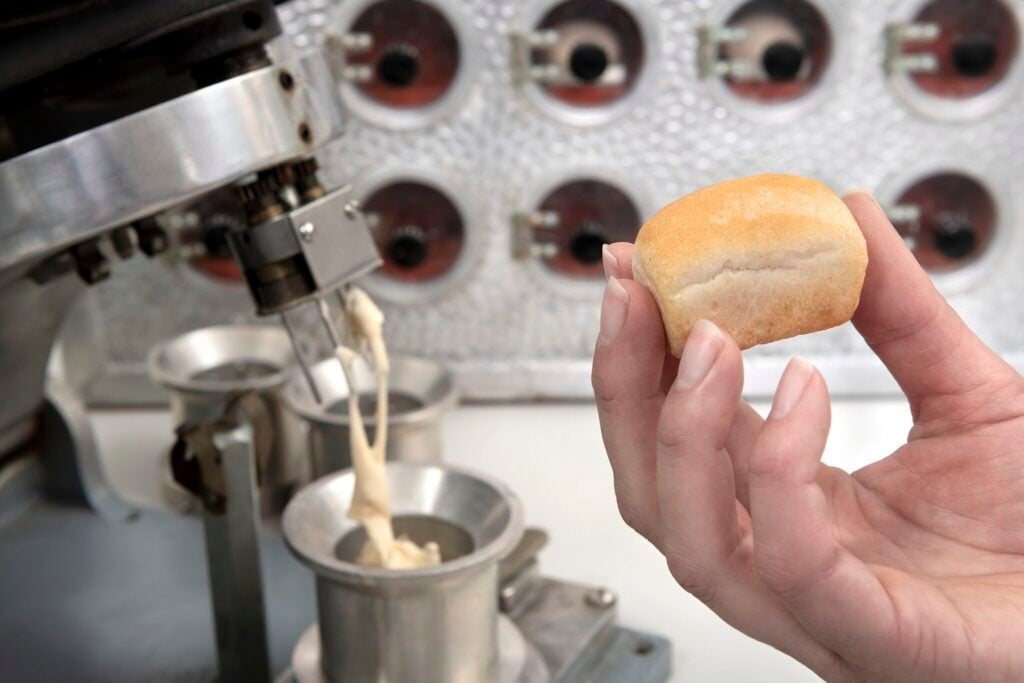
WUR has developed Cibia as an open research environment to stimulate collaboration, which the university finds essential in solving the major challenges around health, sustainability, and food security.
It brings researchers from both the university and its research institutes together with businesses, civil society groups, governments, and other research organisations. Partners can access the facilities through research projects, collaborative programmes, and shared-use arrangements.
“Cibia is a valuable addition to the Netherlands’ research infrastructure,” says Sjoukje Heimovaara, president of WUR’s executive board. “The facility strengthens the connection between science, business and society and helps translate knowledge into innovations that contribute to societal challenges.”
The facility is another example of WUR’s, as well as the Netherlands’s, future food leadership. The federal government is aiming to raise the share of plant protein consumption to at least 50% by the end of the decade, and has pumped in €60M to develop the domestic ecosystem for technologies like precision fermentation and cellular agriculture.
In fact, the Netherlands is the first and only EU country to have approved and hosted public tastings for cultivated meat and precision-fermented proteins, and is home to the world’s first cultivated meat farm.
Last week, the Dutch House of Representatives voted in favour of a motion to include a plant-based action plan in the country’s nitrogen package and national food strategy, following a call by dozens of organisations to establish such a strategy with a €65M annual acceleration fund.