

UK FSA Issues Latest Guidance Documents for Cultivated Meat Approvals

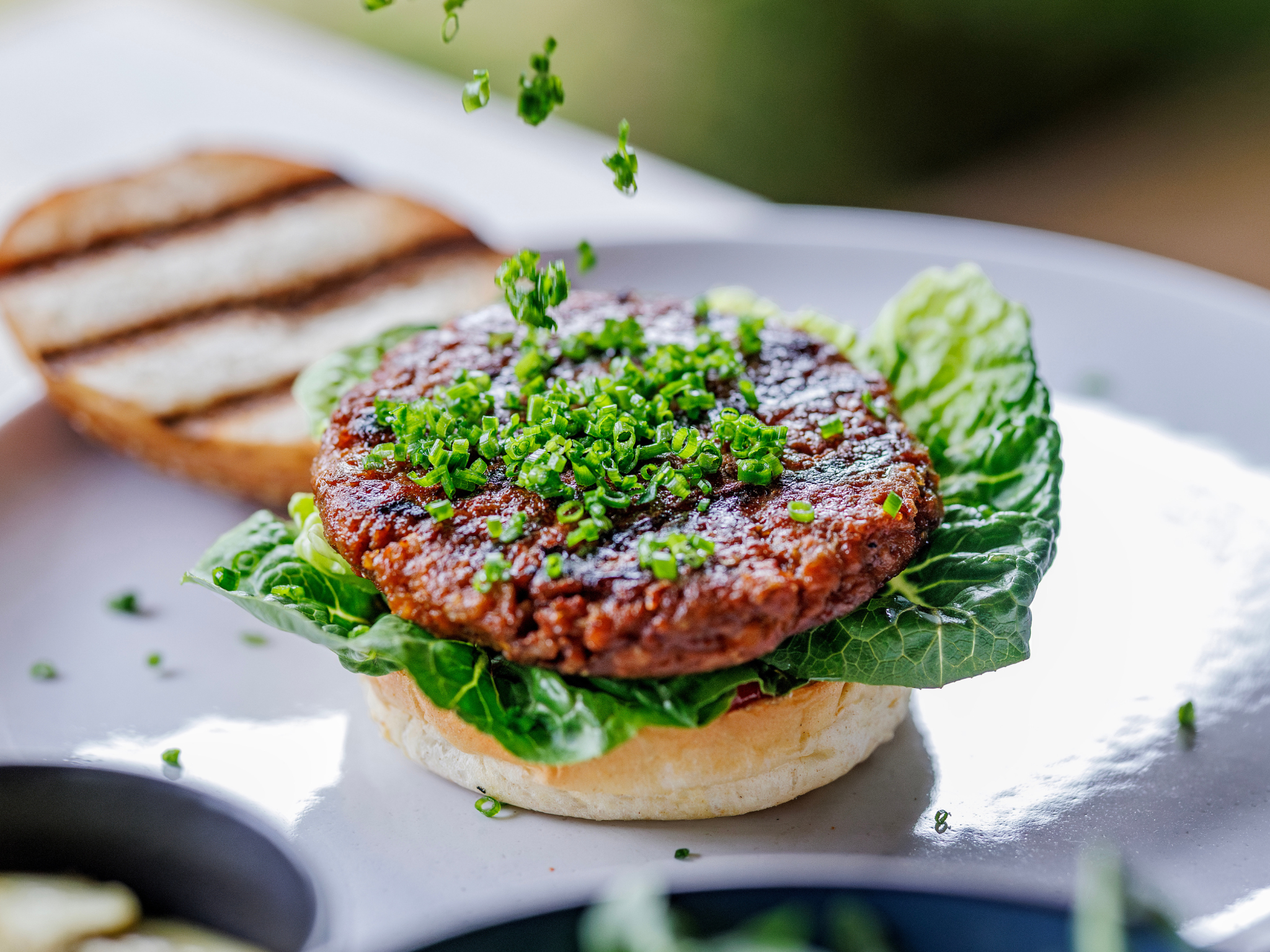
The UK’s Food Standards Agency has published its third batch of guidance documents to support cultivated meat companies, this time focused on regulatory approval and growth media.
As cultivated meat firms grapple with a new trade deal between the EU and the UK, which could make the path to commercialisation lengthier and more complex, the latter’s food safety agency has put out new guidance to help these companies navigate the regulatory process.
The Food Standards Agency (FSA), in collaboration with Food Standards Scotland (FSS), has published its third set of support documents since December, as part of the ongoing cultivated meat sandbox programme (which runs until February 2027).
The two papers are focused on regulatory authorisation and the assessment of growth media components and toxicology, intended to give businesses clearer advice on how existing food regulations apply to cultivated meat, helping them prepare stronger applications and understand the standards these innovations need to meet to enter the market.
“Each batch of guidance we publish makes the path to market authorisation clearer and more predictable for companies developing cell-cultivated products, while ensuring consumer safety remains at the core of everything we do,” said Thomas Vincent, deputy innovation director of the FSA.
Cultivated meat sandbox has published eight guidance documents
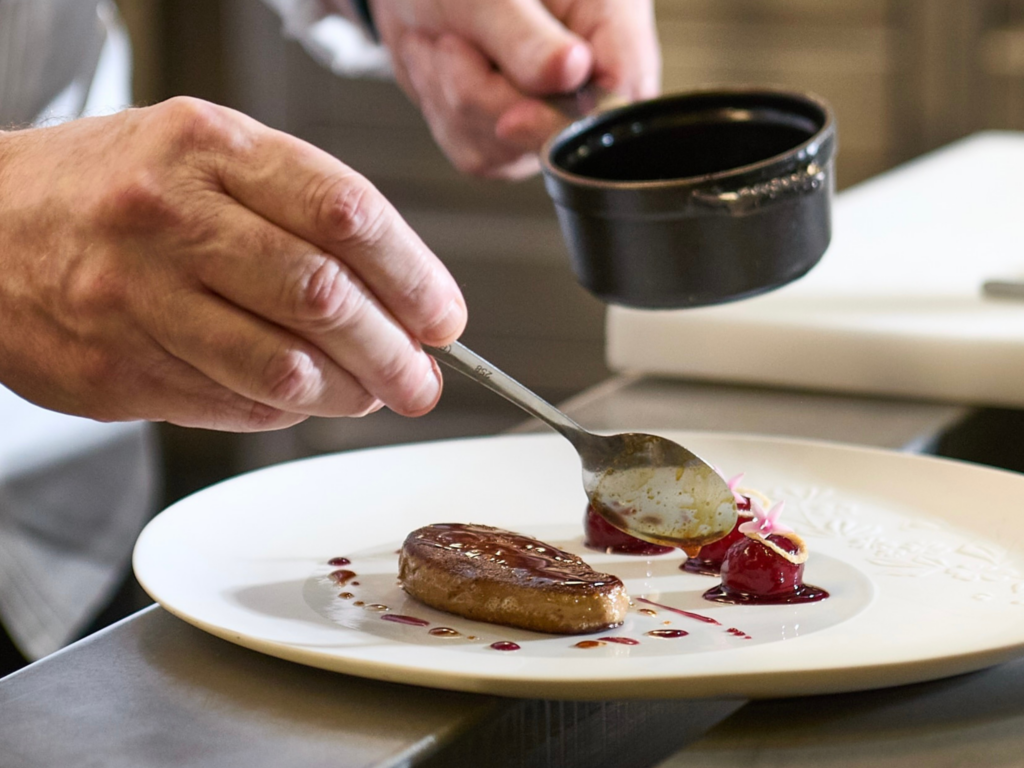
The document concerning growth media and toxicology guidance gives a detailed scientific direction on assessing the safety hazards linked to growth media components, a process that involves listing all components, documenting an inventory, and analysing their toxicology (including genotoxicity and data from human studies).
Meanwhile, the regulatory authorisation advice lays out what the approval framework looks like, and how to handle changes to an already greenlit product. The FSA outlines a six-step process, from validation and risk assessment to public consultation and ministerial approval.
The regulator notes how the length of the process depends on how much information is provided, and how detailed it is. And as for cultivated meat products that have already been approved, any changes in the manufacturing process (during scale-up, for example) that deviate from the terms of authorisation would require companies to submit a new application.
The FSA has now issued eight such support documents. The first two pieces of guidance, released in December, covered hygiene requirements, hazard analysis, and the scientific basis for evaluating the allergenicity and nutritional credentials of these products.
The next tranche entailed four publications, spanning hygiene regulations; identity, production and microbiology; practical recommendations to prepare stronger, more complete filing; and supplementary information on novel food taste trials.
They all emanate from the regulatory sandbox scheme, a controlled environment where businesses and researchers work with the FSA and FSS to design standards and guidance for new cultivated meat products. The two-year effort has been funded by the Department of Science and Technology.
“Through the sandbox programme, we’re building a shared understanding of how food regulations apply to genuinely novel products, and turning that understanding into practical guidance the whole sector can benefit from,” said Vincent.
Aside from the guidance issued via the sandbox, the FSA has recently also published a review of analytical methods for cultivated meat and research on how genetic drift can impact its safety.
FSA confirms impact of EU trade deal on UK approvals
Despite all the guidance, much of the novel food regulatory progress made by the UK in recent years is in jeopardy, thanks to its upcoming Sanitary and Phytosanitary (SPS) agreement with the EU, set to come into effect in mid-2027.
The deal is designed to make the transfer of goods, including food products, between the UK and the EU easier and cheaper, but it could have a knock-on effect on the cultivated meat sector, forcing companies to go through the latter’s notoriously long and complex novel food process to sell their products in the UK.
The FSA has reportedly warned around 600 approval holders and businesses that the deal could render UK authorisations void. Some cultivated meat startups have already begun feeling the heat.
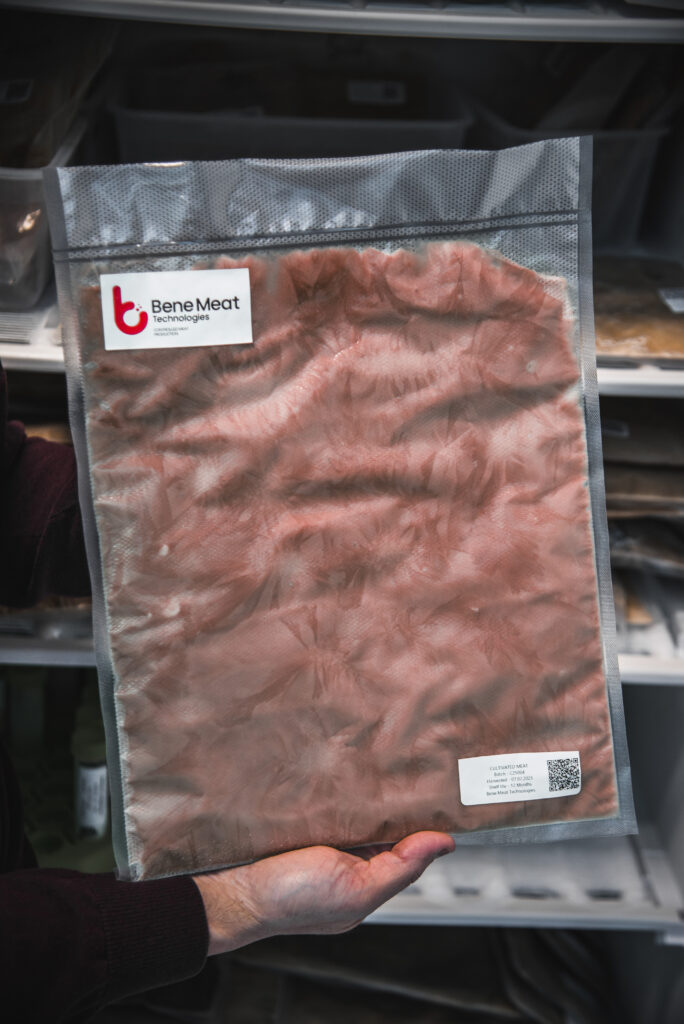
Czech firm BeneMeat, which will roll out cultivated pet food in partnership with Forza10 in the EU this year, has invested in the UK, built relationships with local businesses, prepared controlled tastings, entered talks about manufacturing there, and filed a regulatory dossier to sell its cultivated meat for human food. Then last month, it said it was pausing its plans in the country,
“Further progress across all these areas is on hold as we and our prospective partners wait for clarity on whether Britain will retain the ability to develop its own regulatory pathway for biotechnologies,” BeneMeat said in an open letter urging Prime Minister Andy Burnham to ensure the SPS deal preserves the UK’s regulatory autonomy.
The FSA, in its new guidance, confirmed that the SPS deal will affect its role in novel food approvals. “The regulated products framework in Great Britain is the same as the one used in the EU,” it noted. “This means that this guidance will be relevant for any cell-cultivated product businesses considering applying to either the Great Britain or EU market authorisation systems, regardless of the outcome of the SPS agreement.”
So far, only London-based Meatly has been cleared to sell cultivated meat in the UK, and that’s for pet food. Aleph Farms, Ivy Farm Technologies, Mosa Meat, BeneMeat, and Parima‘s Gourmey and Vital Meat have all applied for human food approval, with the latter two the furthest ahead in the process.
According to the Times, the FSA is hoping to complete safety evaluations of two cultivated meat products by the time the sandbox ends, although the regulator previously told Green Queen that there was “no fixed timeline” for this.