

Canada Govt Bets on Domestic Plant Proteins to Advance Food Supply Chain


Protein Industries Canada has inducted nine new startups into Strengthening the Canadian Supply Chain programme, each of which is focused on plant proteins.
In yet another sign of Canada’s strong commitment to plant proteins, the government has added nine companies to a programme aiming to boost its food supply chain.
Protein Industries Canada, one of the country’s five innovation clusters, has selected startups located from British Columbia through to Nova Scotia for the scheme, investing a total of C$1.3M ($1M). Another $600,000 comes from the businesses themselves.
The projects focus on everything from protein-boosted non-dairy milks and cheeses to fava bean tofu, blended meat floss, and meal replacement drinks – all made using Canadian crops.
“Canada’s food production and value-added agriculture sector is built on strong foundations, but we have the opportunity to do more,” said Protein Industries Canada CEO Tyler Groeneveld.
“Innovative companies across Canada see the potential in our crops – a potential that can only be reached through increased processing here at home, and one that will mean new food options and new economic opportunity for all Canadians.”
Protein Industries Canada has been heavily investing in sustainable foods, thanks to a 10-year, C$353M commitment from the government through to 2028. That has made Canada a leader in state-led financing for alternative proteins, with its plant-based sector recognised as “central” to its broader food tech ecosystem.
This aligns with consumer trends in the country: 54% of Canadians want to increase their plant-based food intake, but 36% cite taste and texture as a key barrier. That said, the majority agree that the government should invest in protein diversification.
Here are the nine newest projects in the Strengthening the Canadian Supply Chain programme.
1) Tartistes Tarts
With a C$150,000 investment from Protein Industries Canada, British Columbia-based Tartistes Tarts will develop two novel pulse-protein-based bakery technologies to replace imported ingredients and finished products with locally made legume alternatives.
This will help strengthen Canada’s bakery supply chain, create licensable IP, and boost local utilisation of pulse protein isolate and starch.

2) Henri Nutrition
In Quebec City, Henri Nutrition will scale up the production of a clean-label, allergen-free snack bar made with Canadian pulses and seeds, backed by C$150,000 from the government.
The project will help elevate production from pilot to industrial scale, while optimising texture, compaction and shelf stability and bolstering domestic supply chains through local use and scalable snack manufacturing capacity.
3) La Baguette
La Baguette is working on developing and commercialising ProFermented, a protein-fortified sourdough bread leveraging peas and fava beans, supported by another C$150,000 in public funding.
That will enable the Vancouver-based company to solve formulation challenges in acidic fermentation environments and bring the bread line to market through multiple SKUs. It will introduce a novel high-protein bread category and strengthen the pulse value chain.

4) Landish
Quebec-based Landish, which recently rolled out a five-plant protein powder featuring Plantible Foods’s Rubisco protein, will now look to commercialise a Canadian-origin protein powder platform across bulk, retail and single-serve formats.
Developing scalable, retail-ready products with homegrown ingredients will increase Canadian plant protein utilisation and expand the presence of domestically sourced retail products. Landish has received C$109,500 from the government for this project.
5) Nora’s Non Dairy
Another British Columbian firm, Nora’s Non Dairy, will create plant-based dairy alternatives from oats, pea protein, and fava bean protein with the help of C$148,600 from Protein Industries Canada.
It will leverage fermentation and freeze-drying technologies to develop probiotic-rich, clean-label products for non-dairy products and snacks, expanding oat and plant protein use in high-value functional foods and boosting domestic processing.
6) Big Mountain Foods

Also in British Columbia, Big Mountain Foods has received C$150,000 to commercialise a freeze-thaw stable fried tofu cube made from fava beans for both retail and foodservice markets.
The project will help the company scale from the pilot validation stage to full commercial production via the installation and optimisation of an industrial fry line. It will also strengthen local processing capacity and replace imported plant protein products with Canadian alternatives.
7) Kung Fu Duck
The only project that goes beyond plant-based formulation is being run by Ontario’s Kung Fu Duck, which will use the C$121,500 granted by Protein Industries Canada to bring to market a blended pork floss product featuring pea flour.
It’s set to improve cost efficiency and production yields by replacing parts of the pork input with Canadian peas, all the while maintaining product quality, enhancing manufacturing efficiency, and strengthening the domestic supply chain for blended meat products.
8) Sperri
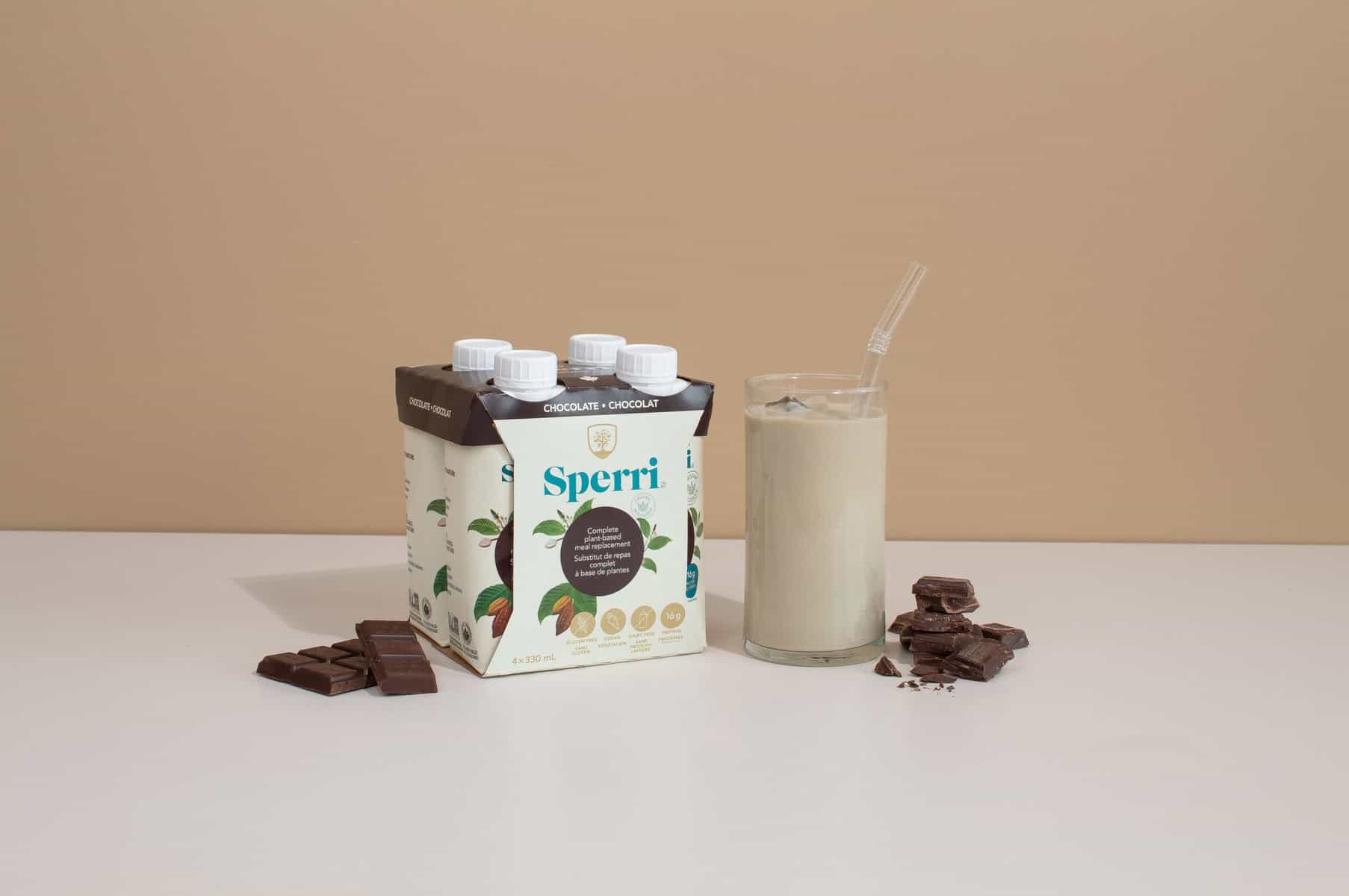
In Nova Scotia, Sperri will replace imported plant protein ingredients with locally sourced pea and hemp proteins for its meal replacement drinks, helped by C$150,000 in government funding.
The project will help the company qualify domestic suppliers, reformulate existing SKUs, and validate commercial-scale performance. It will do so while maintaining quality and cost competitiveness, reducing supply chain risks, boosting domestic value capture, and supporting Canadian agricultural inputs in finished food products.
9) Nuts for Cheese
Finally, Ontario-based Nuts for Cheese has brought in C$149,300 from Protein Industries Canada to launch a new line of high-protein, plant-based dips using local pulses.
The startup will create clean-label dips with strong nutritional value, consumer appeal, and scalability for retail and private-label clients, strengthening pulse utilisation in value-added products, lowering import reliance, and supporting local agriculture.