

Exclusive: All G Earns FDA Approval to Sell Cow-Free Lactoferrin Protein in US

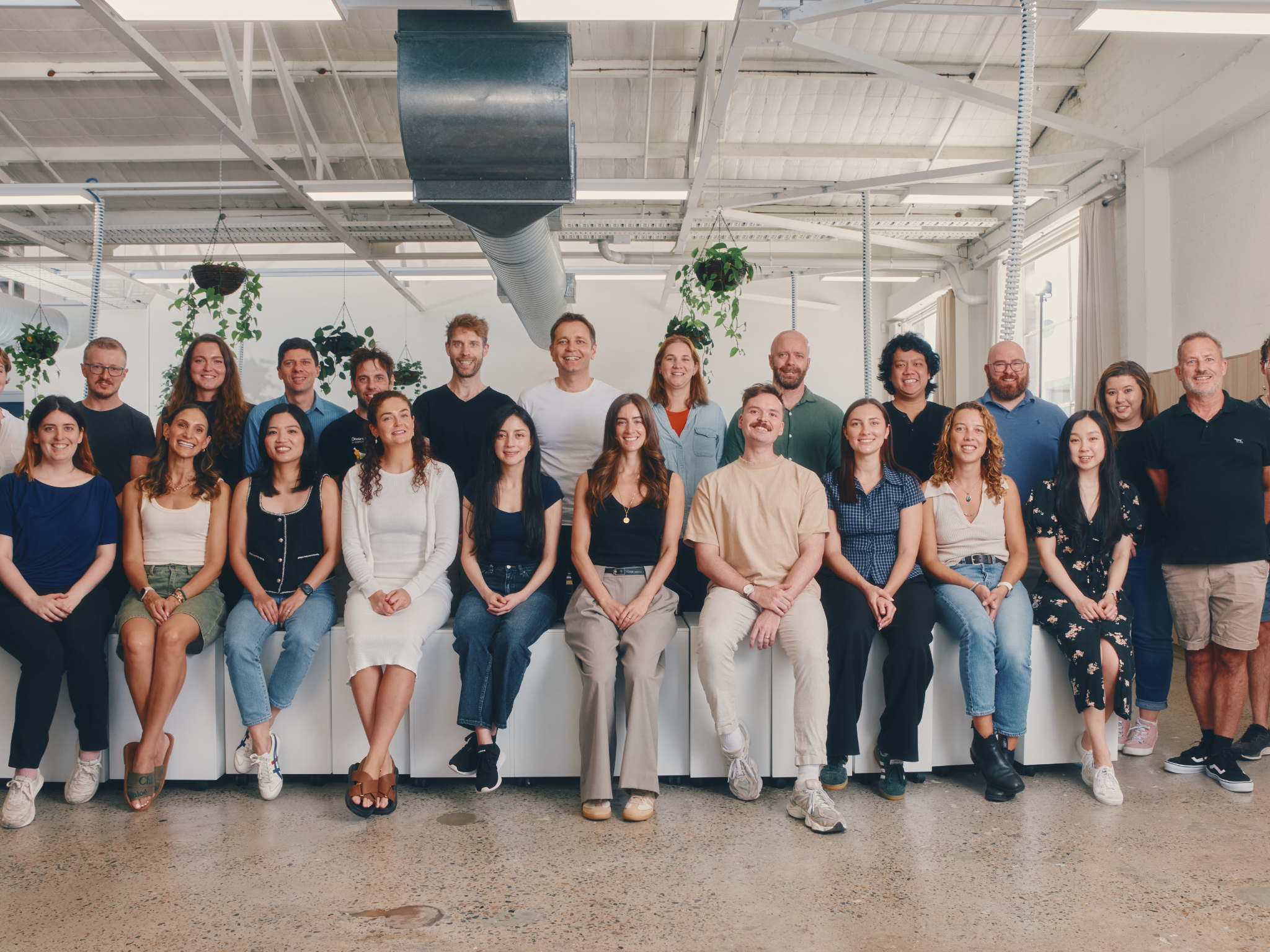
Australian startup All G has received a ‘no questions’ letter from the US FDA for its precision-fermented lactoferrin ingredient, which it will begin selling “within months”.
All G, a Sydney-based startup using microbial fermentation to produce milk proteins, has achieved a key milestone with its first ingredient: a lactoferrin protein without the cow.
The company has obtained a ‘no questions’ letter for its LFX ingredient from the US Food and Drug Administration (FDA), 15 months after it self-affirmed the innovation as Generally Recognized as Safe (GRAS).
While self-determination enables companies to sell novel food ingredients, this pathway could soon be scrapped, with health secretary Robert F Kennedy Jr calling it a “loophole” that manufacturers exploit to place unsafe ingredients in the food supply. With FDA approval, companies can sidestep all the uncertainty and question marks, making it easier to market their products to a wider customer base.
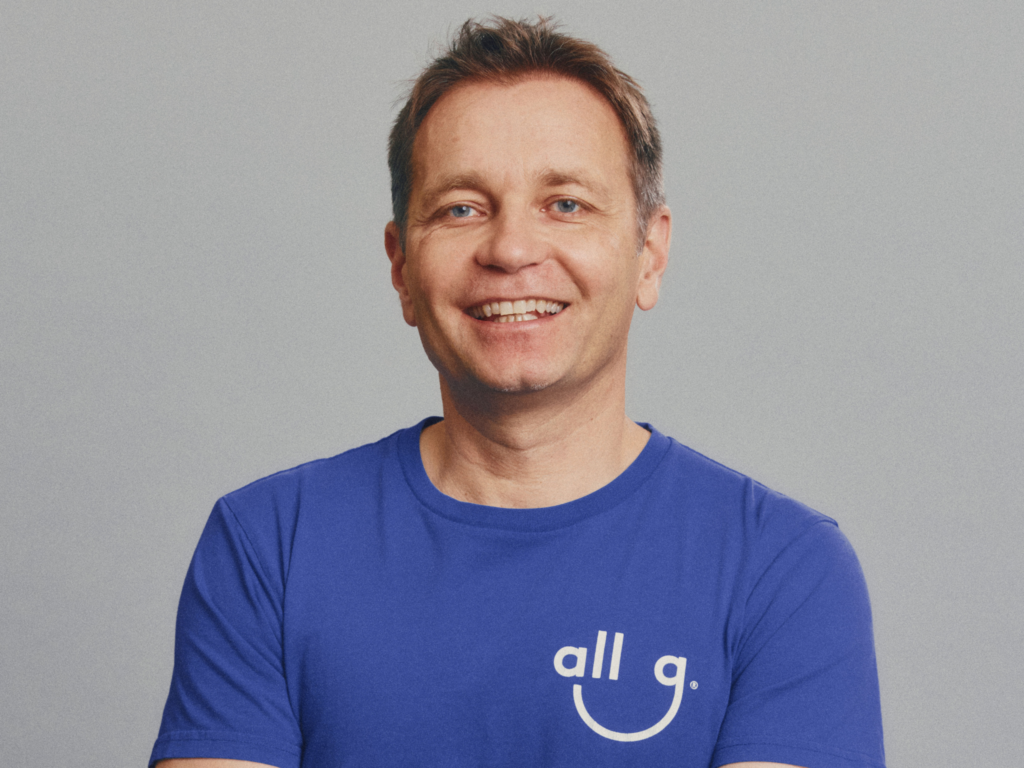
“Our GRAS conclusion supports the use of LFX across a broad range of food and beverage applications, including functional foods, beverages, nutritional products, and dietary supplements,” All G founder and CEO Jan Pacas tells Green Queen.
“It enables use in established categories such as immune and iron support, while also opening up new formats and applications as the ingredient becomes more accessible,” he adds.
Pacas reveals that the company is now kicking off its commercial production process: “You can expect the first products to begin entering the US market within months as supply ramps up – we already have many customers waiting.”
All G’s lactoferrin ‘offers big advantages’ over bovine version
Precision fermentation involves inserting specific DNA into microbes to instruct them to produce desired molecules when fermented, and All G employs this tech to produce both bovine and human milk proteins.
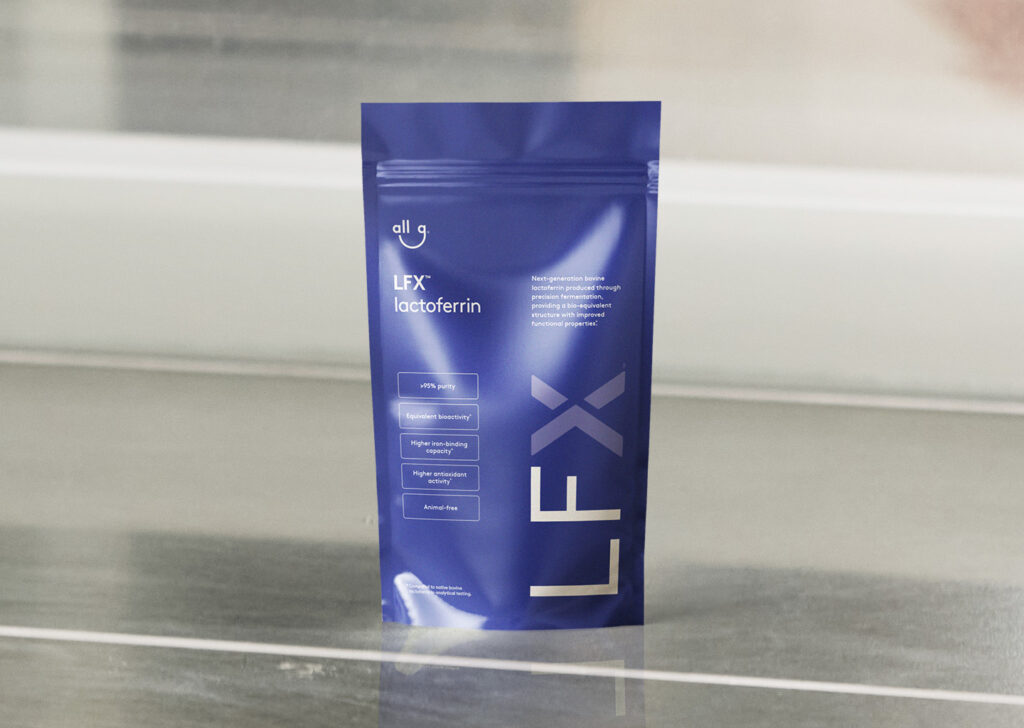
Its flagship ingredient, LFX, is a recombinant lactoferrin protein, a form of whey known for its iron-regulating abilities. The ingredient is also prized for its antiviral, antibacterial, immunity-boosting, and gut-strengthening properties, and is used to treat low iron levels during pregnancy.
However, it’s present in small concentrations in cow’s milk, and extracting 1kg of purified lactoferrin requires at least 10,000 litres of milk. This drives up costs – ranging from $600 to $2,000 per kg – and makes its supply reserved for infant nutrition and premium supplements.
All G’s fermentation-derived protein has demonstrated purity levels above 99.5% across multiple batches in analytical testing, and is offered in the apo form, which is characterised by low iron saturation and consistent with the format found in human milk.
“Our lactoferrin offers big advantages over the animal-based version. In particular, our low iron saturation offers higher bioactivity (for example, greater antimicrobial effects and potential for improved iron regulation in the human body). We also have industry-leading purity and consistency,” says Pacas.
“Despite this, we are launching with pricing in line with today’s animal-based production – a great deal for our customers and an opportunity for B2C differentiation.”
CSIRO cuts ‘particularly frustrating’ for All G
All G’s FDA approval comes as Australia’s national science agency, CSIRO, announced it would end its work on food innovation, as part of a restructuring strategy driven by financial challenges that have resulted in mass layoffs.
“CSIRO has a strong legacy in food innovation, but the landscape has evolved, and our work in this space has become less distinct from that of other research organisations, SMEs and providers,” a spokesperson for the agency told Green Queen last week.
“A potential exit from this research area creates an opportunity to refocus our efforts on areas where CSIRO can provide differentiated capability to deliver greater impact at scale for the sector and for Australia,” they added.
Before joining the startup, All G’s chief scientific officer, Jared Raynes, spent nine years at CSIRO, which he says gave him “deep familiarity with their capabilities”.
“All G did not conduct research with CSIRO – we were in active discussions about future collaborative work, which makes the recent cuts to their food and precision fermentation programmes particularly frustrating for us,” Raynes says.
“Those discussions will no longer proceed as planned, and we are now looking to international partners to fill that gap in our research roadmap. More broadly, the loss of this capability is a significant blow to Australia’s food innovation ecosystem,” he adds.
The startup has already been working with the University of Queensland’s Food and Beverage Accelerator (FaBA) in a government-backed project to scale up production of its recombinant dairy proteins.
It has also signed a joint venture with bioactives leader Armor Protéines (owned by dairy major Savencia), whose experience in large-scale manufacturing of infant formula ingredients and long-standing relationships with leading nutrition companies will help the startup expand its footprint across global markets.
“Capacity at our current production site is measured in multiple tens of tonnes, with ample potential to expand further at relatively short notice as needed. This flexibility in production is a fantastic advantage of precision fermentation compared to animal-based production,” notes Pacas.
GRAS approval ‘critical milestone’ for infant formula
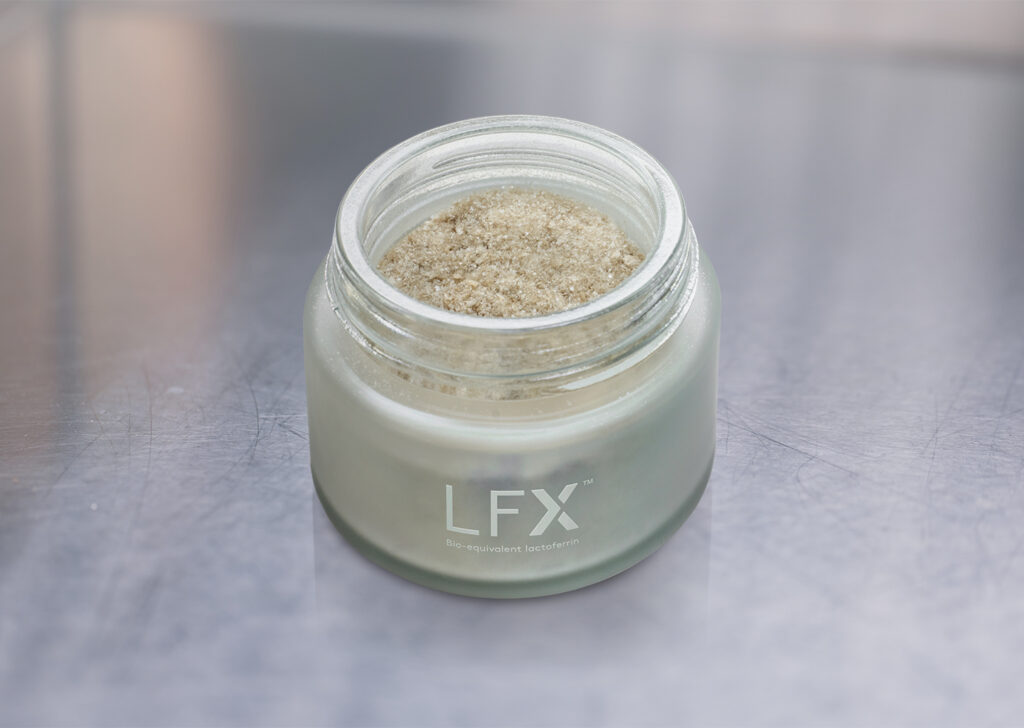
LFX is designed for use across functional food and beverages, dietary supplements, and early-life nutrition. The startup is in talks with nutrition and supplement companies to commercialise the ingredient.
“GRAS covers food and dietary supplements, which will be our initial focus for commercial rollout,” says Pacas. “In parallel, we are working with partners on topical formulations in personal care. We’re currently in advanced discussions with a number of global ingredient distributors and brands.”
According to All G, the FDA approval is a gateway for clearance in other markets, establishing a regulatory precedent for similar ingredients globally. The company already has a green light to use its lactoferrin for personal care sales in China.
One of the company’s major targets is the infant nutrition market. “GRAS for adult nutrition is a critical milestone toward infant formula, but infant formula is regulated separately and requires additional steps,” says Pacas.
“In the US, this will include a separate GRAS submission and a New Infant Formula Notification (NIFN), supported by additional safety data. We are actively progressing this pathway as part of our broader strategy in early life nutrition.”
Speaking of infant nutrition, All G is working on human-identical lactoferrin too, for which it expects to complete a self-affirmed GRAS assessment in Q3 this year, and human beta-casein (which makes up 20-45% of the protein content in breast milk).
The firm has secured $36M from investors since its establishment in 2020, and last month received an A$1.1M ($775,000) grant from the New South Wales government to scale up its casein protein. Pacas confirms that it is fundraising again.
“We are continuing to engage with investors and partners to support our next phase of growth,” he says. “The focus is on scaling manufacturing, progressing clinical trials and regulatory pathways, particularly in infant nutrition, and expanding commercial rollout across key markets.”