

Less Meat, More Plants: MAHA Groups & American Heart Association Counter US Dietary Guidelines

The American Heart Association’s new dietary recommendations prioritise plant proteins over meat, countering the national guidelines, just as MAHA-aligned groups urge a shift away from processed meat.
The backlash to the Trump administration’s highly controversial dietary guidelines has now brought together both critics and supporters of the Make America Healthy Again (MAHA) movement, who are calling for a transition away from processed meat towards plant-based proteins.
Released in January, the 2026 Dietary Guidelines for Americans (DGA) endorse the consumption of beef, pork, and other red meats, put whole milk back into the spotlight, and promote butter and tallow, despite advising Americans to keep saturated fat intake under 10% of their total calorie intake.
It has received significant pushback from health experts across the US, who have called the recommendations “at best, confusing, and, at worst, harmful to public health.”
In fact, the Center for Biological Diversity and the Center for Science in the Public Interest released an alternative “uncompromised” version of the dietary guidelines, showing what the Trump administration’s recommendations would look like “if they had actually followed scientific consensus”.

Now, the American Heart Association (AHA) has done something similar, publishing its 2026 dietary guidelines to improve cardiovascular health. It has already voiced concerns over how the DGA’s red meat recommendation could lead to excess saturated fat consumption, a primary driver of heart disease, itself the leading cause of death in the US.
The AHA’s new guidance directly contradicts the DGA, emphasising a diet rich in fruits, vegetables and whole grains, and prioritising plant-based proteins and oils over meat and animal fats.
“Dietary patterns higher in plant-based foods and lower in animal products have been associated with lower coronary heart disease risk and more favourable coronary heart disease risk factors and metabolome profiles,” the organisation said.
Its updated guidelines come just as a group of health and agriculture organisations – including many aligned with the MAHA drive – urged the Trump administration not to expand meat consumption in schools.
AHA endorses plant proteins and oils over meat and animal fats
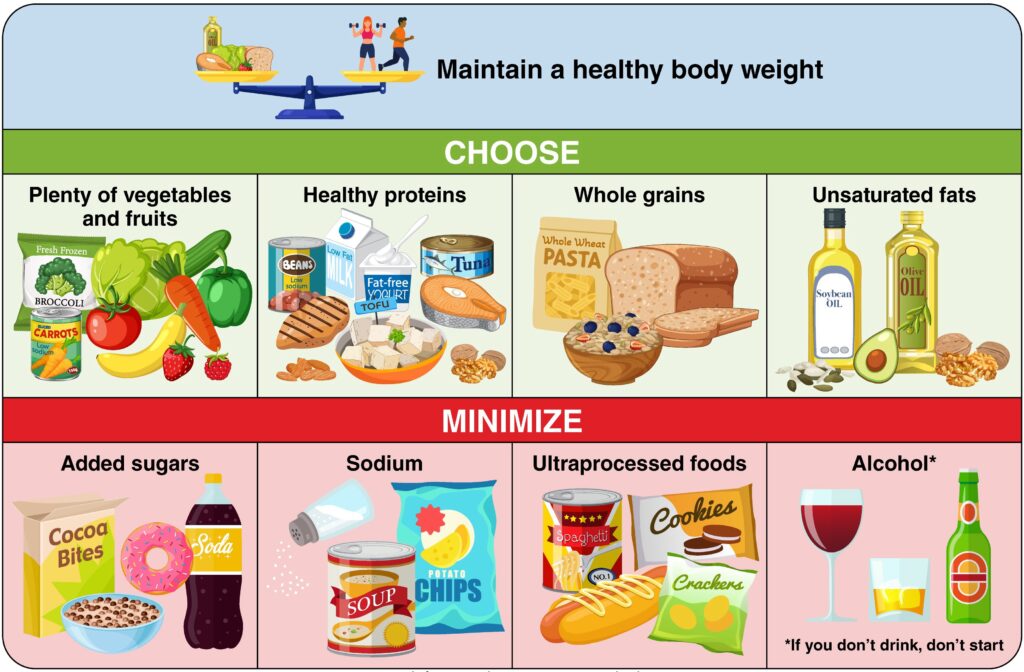
The AHA’s recommendations highlight nine key features of a heart-healthy diet. These include adjusting energy intake based on how active you are, eating plenty of fruits and vegetables, choosing whole grains over refined carbs, minimising added sugar, consuming less salt, and limiting alcohol (or not drinking it if you don’t already).
One of the most notable features is a shift to healthier sources of protein, which entails swapping out meat for plant-based sources like legumes, nuts, and seeds, and avoiding processed forms and large portions of red meat if you do consume it.
“Dietary patterns higher in legumes and lower in red and processed meat have been associated with lower cardiovascular disease and coronary heart disease risk. Likewise, dietary patterns higher in nuts have been associated with lower cardiovascular disease and all-cause mortality risk,” the AHA suggests.
It also targets ultra-processed foods (UPFs), which have become central to the conversation about food and health. The organisation advises choosing minimally processed ingredients instead, but indicates that the category’s loose definition makes it hard to paint all products with the same brush.
“Evidence is limited for mechanisms of actions linking dietary patterns high in UPFs to adverse health outcomes. This may be due to the wide range of potential causal factors in the broad category of foods classified as ultra-processed,” the guidelines read.
“Nevertheless, evidence consistently indicates that efforts should be made to promote the benefits of choosing minimally processed foods and to facilitate a shift away from ultra-processed in the marketplace.”
The AHA has previously added to the list of voices cautioning against considering all UPFs as bad for you, suggesting that some foods – especially those high in fibre, like many plant-based meat products – are actually beneficial for health.
“The availability of plant-based meat alternatives can help diversify protein choices but requires some caution because many are ultra-processed and come with added sugars, sodium, stabilisers, and preservatives,” it states in the new recommendations.

Finally, the AHA’s other health factor concerns fats. It urges Americans to phase out saturated fats such as beef tallow, lard, and butter from their diets, and replace them with healthier, unsaturated, plant-based options like soybean, canola and olive oils.
RFK Jr has been outspoken in his criticism of seed oils, despite evidence showing that these and other plant oils can lower the risk of cardiovascular disease and all-cause mortality when used instead of butter, tallow and the like.
MAHA groups to Trump administration: kids need fibre, not protein
According to the AHA, more than half of US adults have some type of cardiovascular disease, and this is set to rise to 60% by 2050. And over 40% of adults and 20% of children are obese, numbers that are projected to increase too.
In fact, around three in five American kids have unhealthy diets. It’s why the AHA’s guidance recommends that kids can (and should) begin following a heart-healthy diet at one year of age.
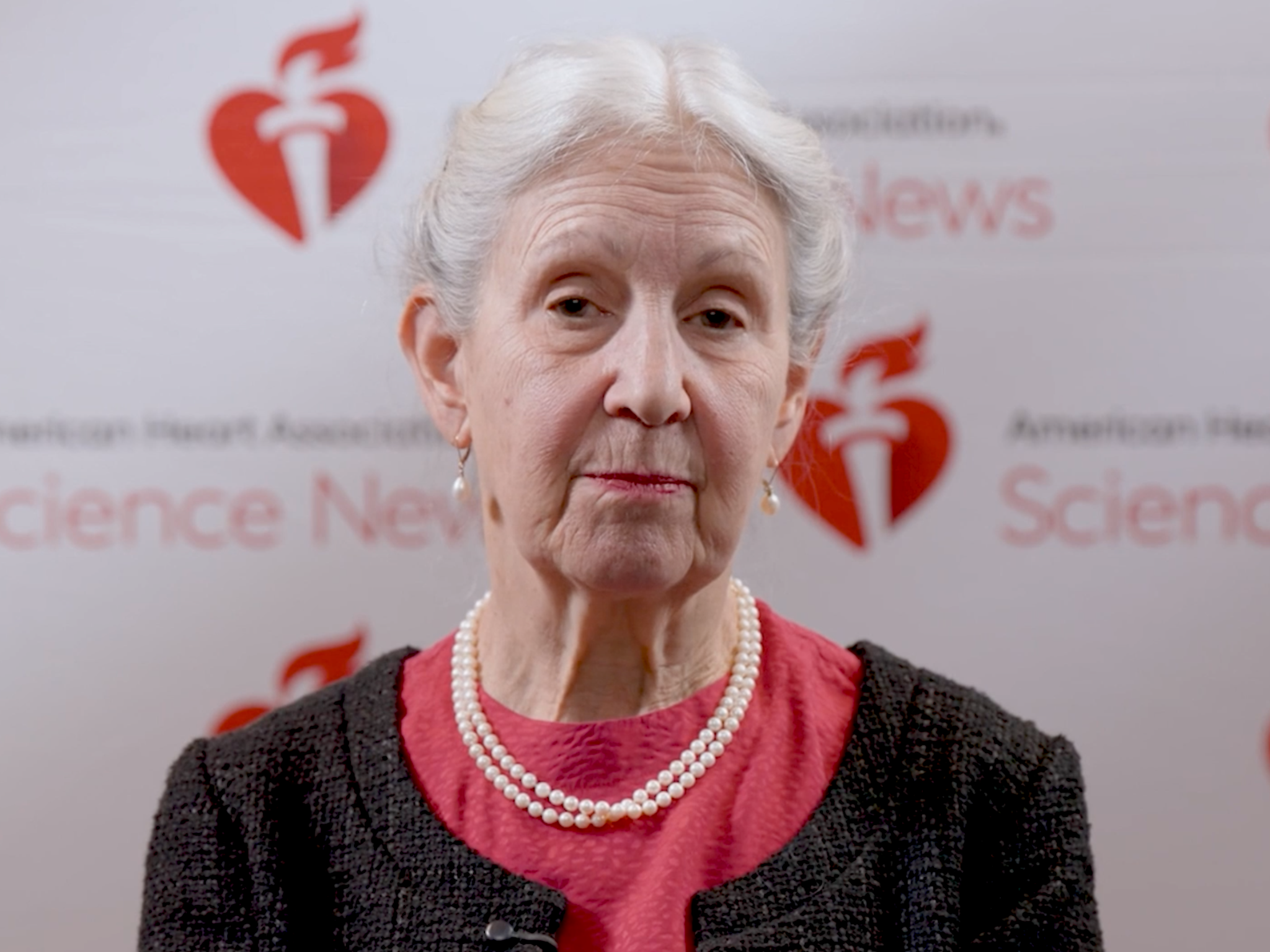
“Cardiovascular disease begins early in life; even prenatal factors can contribute to increased risk in children as they grow. So, it’s important that healthy eating patterns are adopted in childhood and continue throughout the entire lifespan,” said Alice Lichtenstein, volunteer chair of the AHA’s scientific statement writing committee.
Recent moves from the US government go against the advice of health experts. At the behest of MAHA, the Trump administration has now brought back whole milk as an option on school lunch trays (alongside non-dairy milk).
It goes against the AHA’s recommended shift away from full-fat dairy. Now, several organisations are warning against children eating more meat in schools, in direct contrast with the government’s bid to increase protein consumption in the US.

They are urging the Trump administration not to increase the current requirement of meat in schools, especially since the primary forms of meat available in these institutions are processed – evidence suggests that no amount of processed meat is safe for human health.
Maintaining the current requirements for meat and meat alternatives “would help school districts first focus on sourcing higher quality and safer animal and plant proteins”, the organisations said.
“Protein adequacy is not the nutritional gap facing children. The more urgent public health priority is increasing dietary fibre and overall food quality,” they said in a letter addressed to USDA secretary Brooke Rollins, RFK Jr, and other officials.
“Children – including school meal participants and those who bring food from home – are deficient in fibre; fewer than 10% are meeting the fibre recommendations from the DGA. Fibre is found in plant foods such as fruits, vegetables, whole grains, legumes, nuts, and seeds,” they added.
The letter was signed by MAHA-aligned groups like Moms Across America, Children’s Health Defense, the Alliance for Natural Health, and the American Grassfed Association. With growing scrutiny against its food policies, including from its own base, will the Trump administration change its ways?