

AuX Labs Nabs $4M to Commercialise Cheese Made from Animal-Free Milk Protein

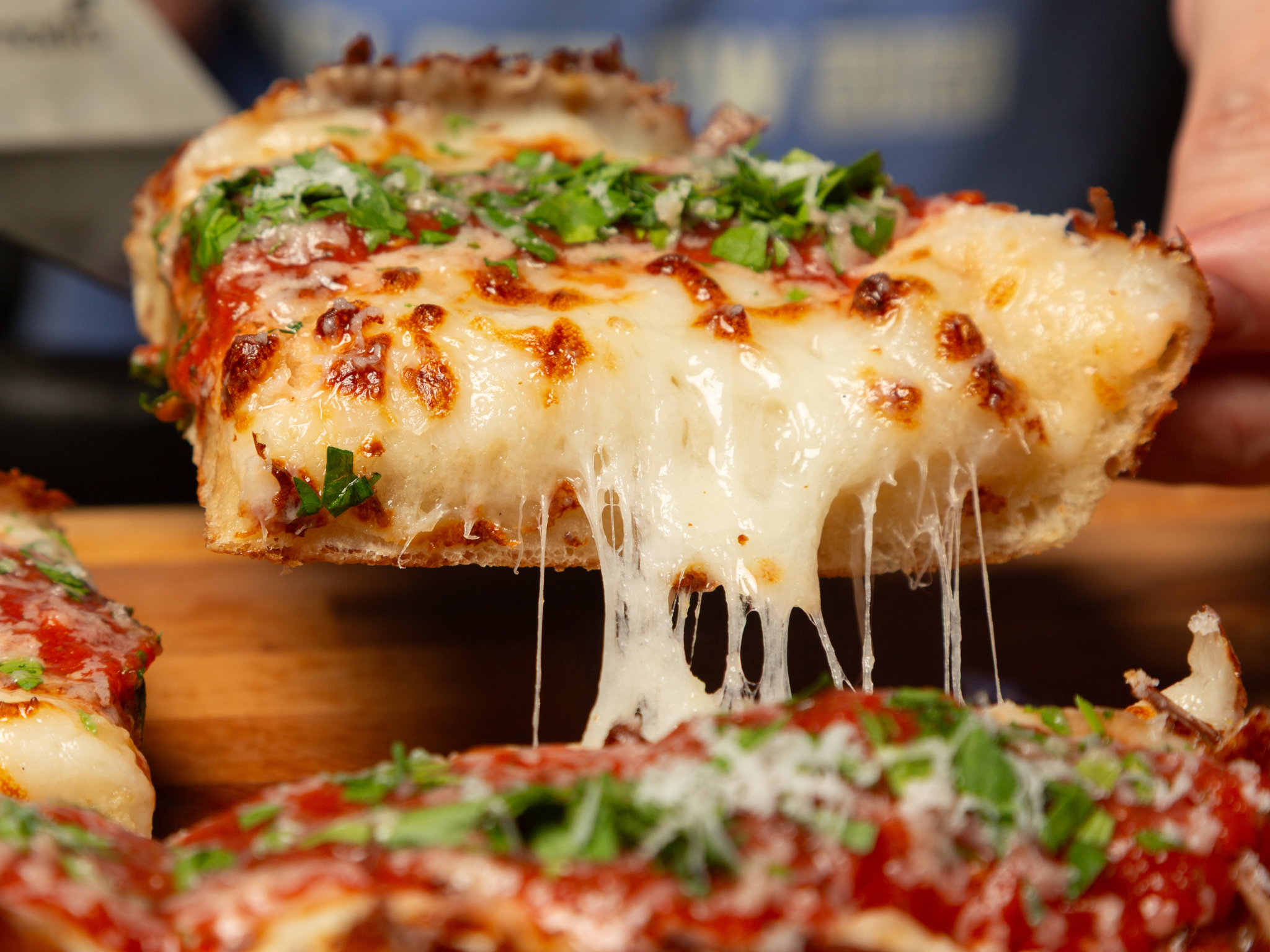
Canada’s AuX Labs has raised $4M in funding to scale up production of its precision-fermented dairy protein and bring animal-free cheese to pizzerias and cafes.
Toronto-based startup AuX Labs has secured fresh funding to commercialise its precision fermentation platform for next-generation cheese products.
The food tech player has brought in $4M in a round led by NYA Ventures and Nàdarra Ventures, with participation from Verdex Capital, Builders VC, and existing investors Bluestein Ventures and Congruent Ventures.
It will use the funds to fast-track the launch of its scalable technology to produce animal-free, melty, stretchy cheese made with recombinant casein protein at a price point accessible to everyday operators and consumers.
“What makes AuX Labs truly exceptional is the technological breadth of its platform. The ability to expand this system across multiple high-value proteins is highly unique, and it unlocks an extraordinary range of future applications,” said Mary Dimou, managing partner at Nàdarra Ventures.
“The growth potential of this business is not linear; it’s exponential, driven by a platform that can scale across products, markets, and use cases. We’re excited to support the team as they build a category-leading, next-generation food company.”
AuX Labs leverages existing brewing capacity for casein production
Precision fermentation entails inserting a DNA sequence into microbes to teach them to produce the desired molecules when fermented – in AuX Labs’s case, this target element is casein.
The main protein group found in cow’s milk, casein is critical to the taste and functionality of dairy products. It emulsifies water and fat, enabling hard cheeses to melt and stretch upon heating, and is thus a key missing ingredient in plant-based alternatives.
Casein represents a $2.7B market, but comes from a highly emissive, water-guzzling, land-hungry industry. Precision-fermented alternatives, however, are hard to scale up and produce at costs that match the dairy industry’s efficiency.
AuX Labs is aiming to solve that by leveraging existing, globally available brewing capacity. This capital-efficient approach allows it to expand production of its recombinant protein and close the price gap with conventional casein.
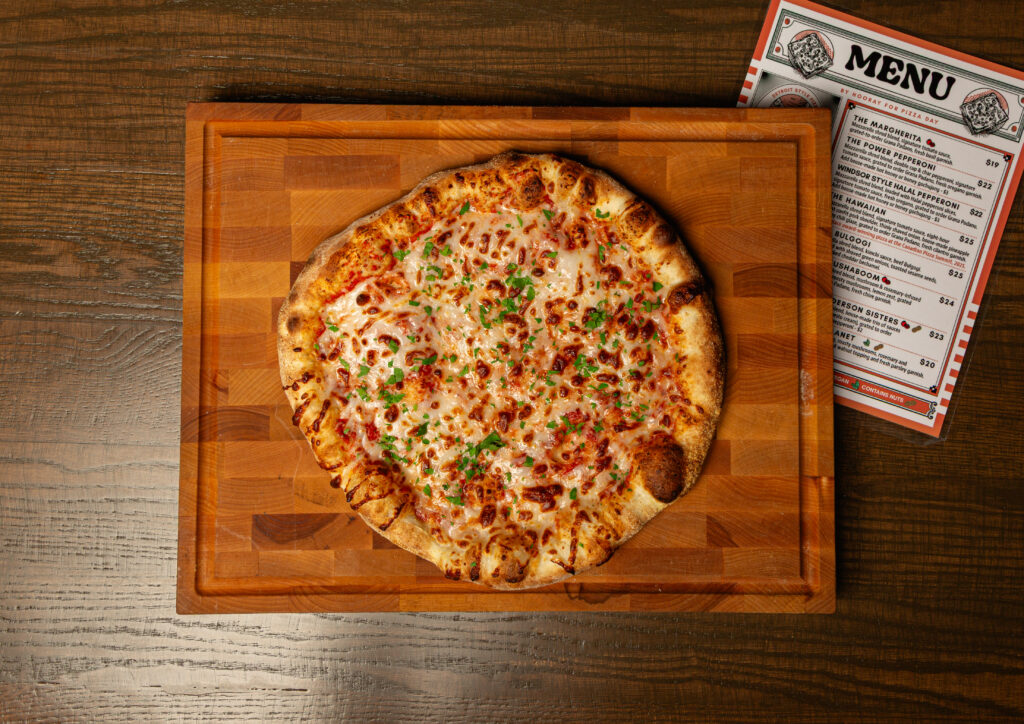
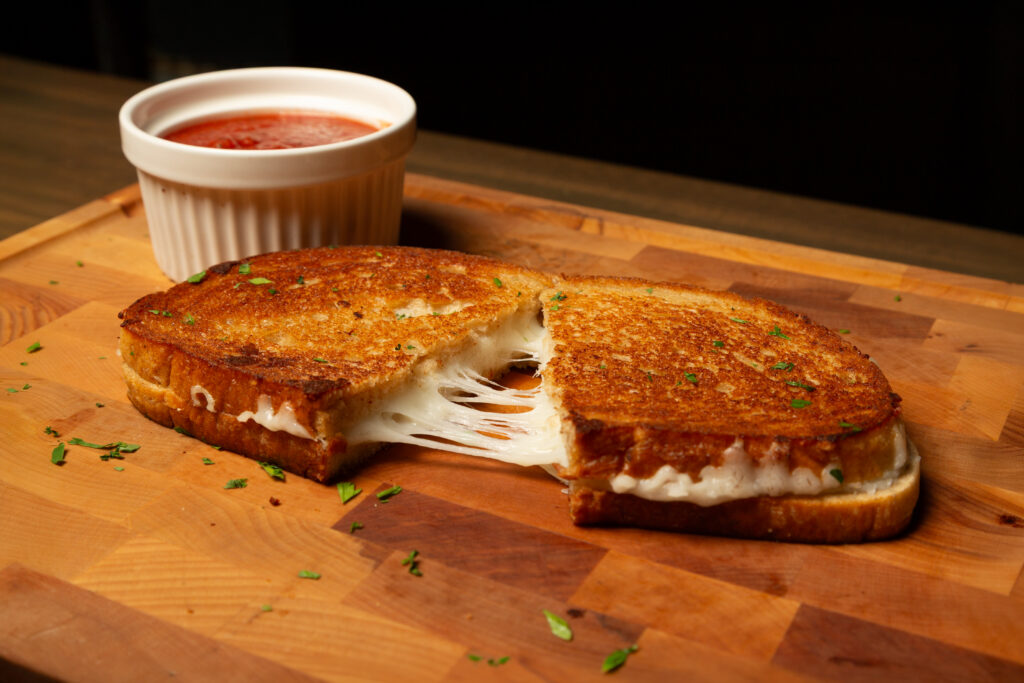
According to the startup, a majority of cheese alternatives fall short on texture and cooking behaviour, and mainstream consumers are far more likely to try new versions when they perform the way they expect, in everyday applications like pizza and grilled cheese.
In November, the firm conducted a survey with over 800 Americans, pitting its concept product against standard dairy-free cheese. It found that people show “materially higher appeal” when they understand how animal-free cheese melts, stretches and cooks.
“Most alternatives in this space have asked consumers to accept a trade-off. We built our technology specifically so they don’t have to. What makes this platform different is that it scales,” said AuX Labs founder and CEO Ted Jin.
“We are not rationing products into a handful of restaurants and hoping the story holds when people try it at home. We can be where consumers actually are, like the neighbourhood pizzeria and the local cafe, and deliver the same experience every time. That consistency is what builds lasting trust, and this funding gives us the runway to deliver it.”
With self-affirmed GRAS, AuX Labs bets on ‘high-performance’ partnerships
AuX Labs’s fermentation platform is built to expand from the get-go, and that’s what drives its go-to-market strategy as well. The startup will launch with partners selected for everyday performance and accessibility, not scarcity.
The idea is to bring animal-free cheese to market through a partnership-led approach to ensure that the experience consumers have out of home is identical to what they can purchase and use in their kitchens.
The company has already cleared a major hurdle that plagues novel foods like precision-fermented proteins. In April 2025, it self-affirmed its casein ingredient under the Generally Recognized as Safe (GRAS) pathway in the US, which allows manufacturers to sell such products into the national market.
But the Trump administration is working to scrap this self-determination rule, which doesn’t require formal review from the Food and Drug Administration (FDA) and has been labelled a food safety “loophole” by health secretary Robert F Kennedy Jr. If the effort is successful, companies would require a ‘no questions’ letter from the FDA before they can sell new ingredients.
AuX Labs has been piloting launches with customers in advance of a broader launch of its precision-fermented cheese, and will use the new capital to ramp up manufacturing, expand its team, and support foodservice and consumer partnerships focused on “high-performance applications where melt and stretch are critical”.
“AuX Labs stands out because they are solving a real market problem with discipline and technical rigour,” said Alison Sunstrum, managing partner at NYA Ventures.
“Their focus on unit economics, manufacturability, and performance, rather than positioning, is what gives this business durability. They are building the foundations of a scalable platform that can compete in one of the largest food categories in the world,” she added.
The startup is further proof of investors’ interest in recombinant casein proteins. Last month alone, Dutch firm Those Vegan Cowboys completed a $14.2M raise (a combination of crowdfunding and venture capital) to launch animal-free cheese in the US in 2026, and Standing Ovation secured $34.2M from Bel Group, Danone and the French government to commercialise its casein stateside.