

US Future Food Sector at ‘Critical Inflexion Point’, Stakeholders Tell Bezos Center for Sustainable Protein

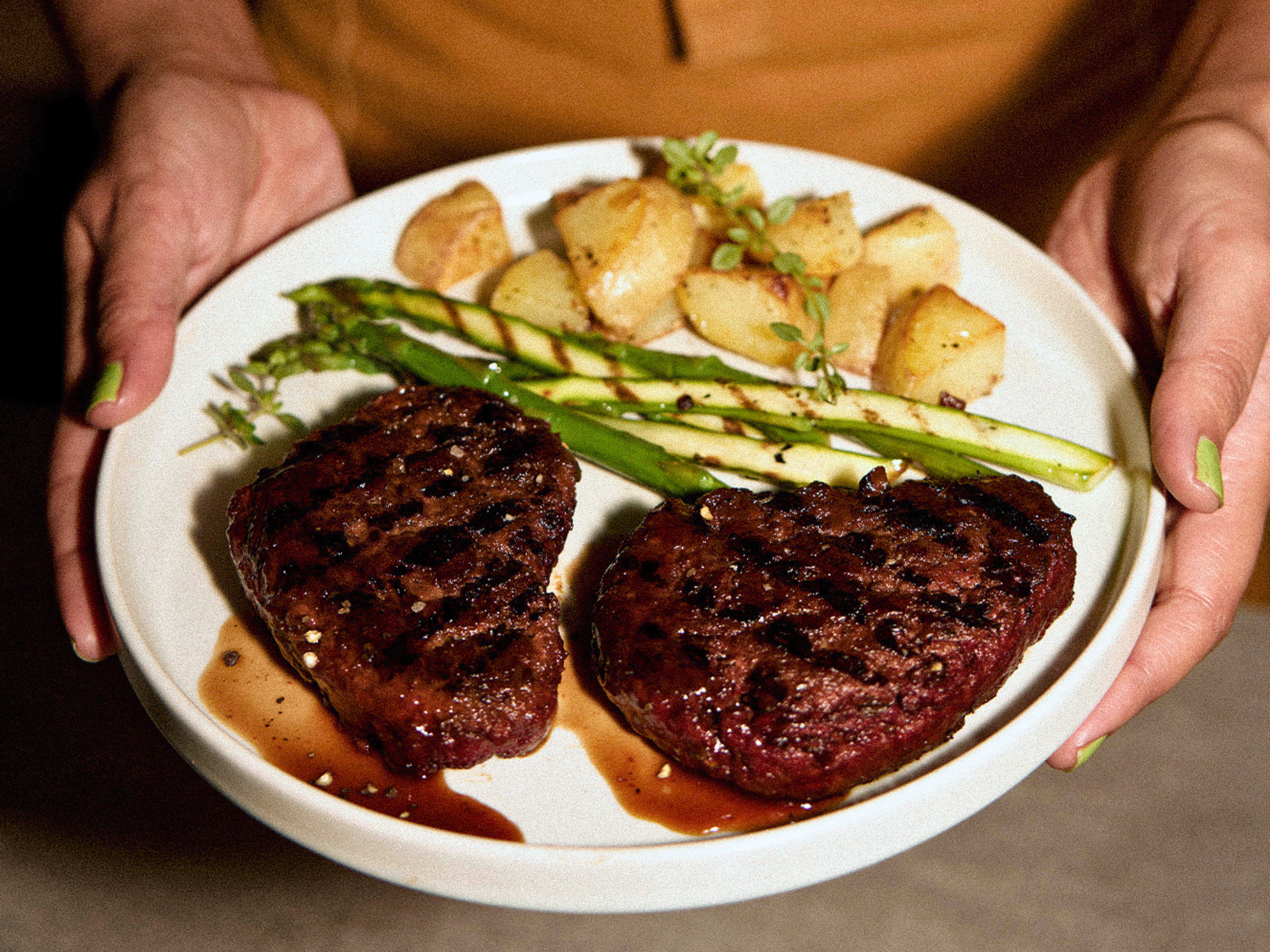
In interviews with the Bezos Center for Sustainable Protein, industry stakeholders lay out the challenges faced by the US market for alternative proteins, and the best ways to address them.
Alternative proteins are at a “critical inflexion point” in the US, according to business leaders, investors, non-profits, researchers and government regulators.
In a new study by researchers at Bezos Earth Fund‘s Center for Sustainable Protein in North Carolina, industry stakeholders reflected on the evolution of these food technologies, from their 2009 boom to a post-pandemic implosion.
Plant-based, cultivated and fermentation-derived proteins saw a steady rise in the 2010s, hitting a peak around the end of the decade, when Beyond Meat and Oatly went public and companies like Impossible Foods and Upside Foods secured hundreds of millions in funding.
Those investment levels have taken a dive – last year, funding for startups in this sector reached below the $1B mark for the first time, in response to falling sales. There are a number of factors behind this decline, including political and legislative barriers, misinformation from the livestock industry, concerns around ultra-processing, and a lack of taste and price parity for alternative proteins.
However, the sector is “now working to reverse” this trend by elevating taste, expanding scale and lowering prices, attracting a broader consumer base, and navigating a “charged policy environment”, according to the study, published in NPJ Science of Food.
“The stakeholders interviewed for this study spanned the alternative protein landscape in expertise, representing alternative protein startups, industry associations, investors, government regulators, civil society organisations, philanthropies, and academia,” the authors noted.
“Insights from stakeholders can inform research agendas and spur innovations that enhance the ability of the AP sector – alongside traditional protein sources – to deliver protein-rich foods with social, environmental, and economic benefits.”
Taste and price parity paramount for success
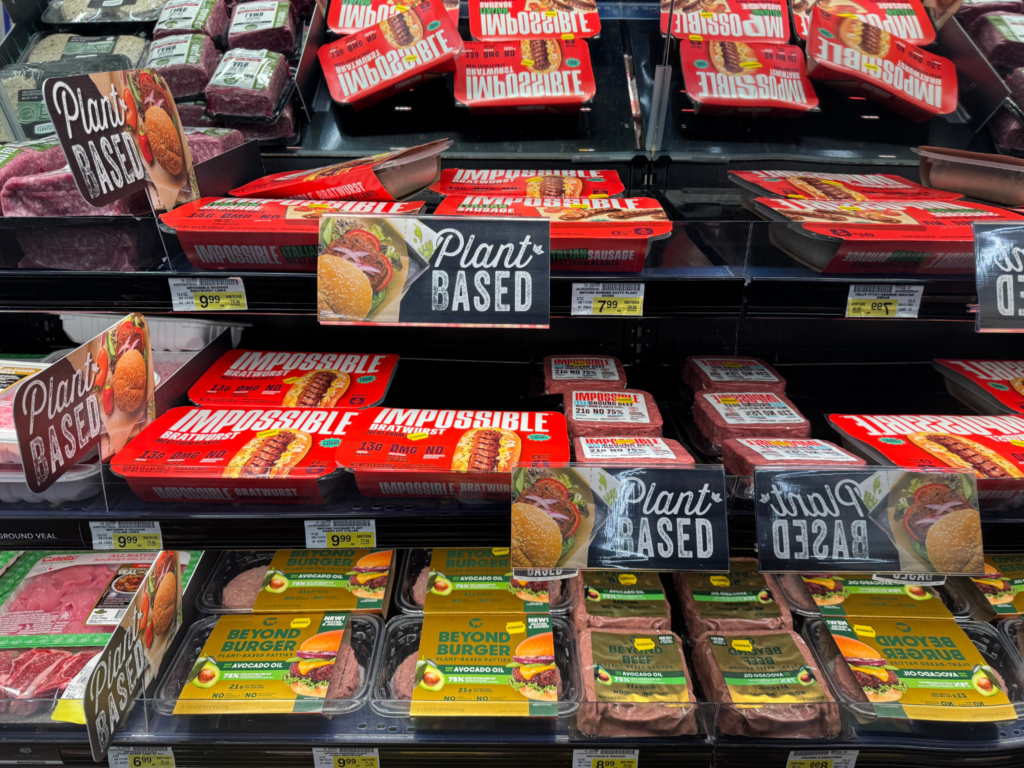
The interviewees called the downturn of the alternative protein sector a reflection of the “venture capital boom and bust” and the Gartner Hype Cycle, which maps how emerging technologies rise through early excitement, fall into disillusionment, and eventually mature through practical progress.
Products like meat and dairy alternatives enjoyed a major hike in sales during the Covid-19 lockdowns, when “a large influx of alternative protein products on the market coincided with the need for people to eat meals at home”. Consumers were cooking more, their interest in health increased, and supply chain issues may have catalysed a need to diversify their food choices.
However, inflation, market saturation, and concerns over taste, price and processing brought about the ensuing decline. “I think it was a good thing for the field to go through, in part because you had to rethink priorities and the pace of innovation to have a meaningful impact on consumers,” one stakeholder said. Another believed the industry hit rock bottom last year, and will start climbing out of it in 2026.
“The increasingly diverse alternative protein consumer base led many stakeholders to underscore the necessity of additional market research and crafting an enticing, inclusive consumer narrative,” the study noted.
One objective is clear: getting closer to the taste and price of animal proteins. “Many stakeholders felt that achieving taste parity with traditional meat products is not enough: alternative protein products need to be the more delicious option,” the authors said. “The same goes for price – stakeholders expressed that alternative protein products must be the cheaper option.”
Consumers may base their opinions on just one tasting experience, so the minimum viable product model isn’t enough for the future food industry. Nutrition and health are priorities, too, with people increasingly looking for more protein and fibre, and less saturated fat and cholesterol.
The interviewees highlighted blended meat as a key opportunity for the industry, citing how some of these products outperform animal proteins on taste, and explaining how they can help the industry scale faster.
They said companies must improve how they communicate with customers, arguing that early narratives focused on replacing conventional farming hurt the sector. Instead, they should adopt a more inclusive, “both/and” approach. Alternative proteins need a value proposition and people need more knowledge on using them – some proposed a cultural marketing campaign à la ‘Beef. It’s What’s for Dinner’.
Experts highlight need for ‘moonshot thinking’ and novel funding sources
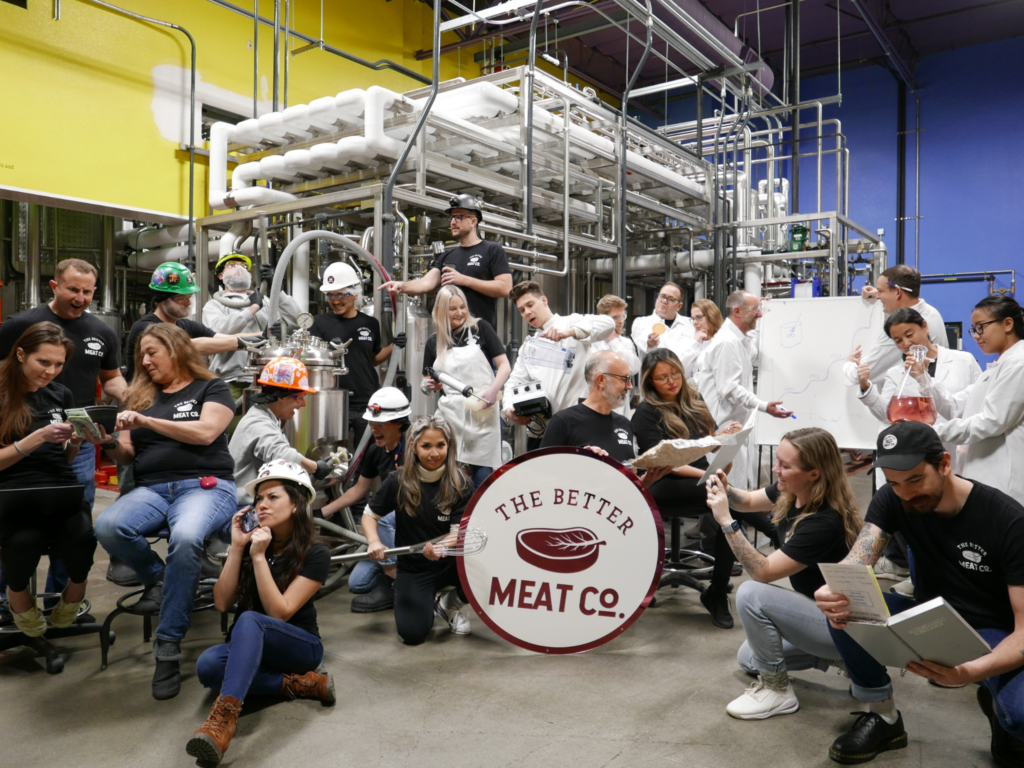
The pace and progress of alternative proteins differ by company and technology. Plant-based R&D is, naturally, the most advanced – it’s now focused on refining product offerings, like improving sensory characteristics through techniques like fibre-spinning, 3D printing, and moulds for whole-muscle cuts.
Scaling production and lowering costs were two of the main challenges underscored by industry stakeholders. “Alt-proteins will have zero impact in the world unless they can achieve scale. And the only way they can achieve scale is if they’re really, really low cost,” said one interviewee.
This highlights the need for shared infrastructure and novel funding solutions, with experts believing that the sector must attract contract manufacturing organisations to outsource production and accelerate scale-up.
When it comes to cultivated and fermentation-derived products, bioreactors are central to the manufacturing and scale-up obstacles. Several companies here have looked to the biopharma sector, though some stakeholders caution against borrowing too heavily from that industry.
“There’s nothing wrong with what the pharmaceutical industry created for scale-up and production processes, but I don’t see how this will work for the immense scales and low costs that we need for food-related products,” one expert told the researchers.
Others emphasised the need for “moonshot thinking” on how to scale these products, and noted how moving from batch manufacturing to continuous processes was “the single biggest differentiator in terms of unit economics” for cellular agriculture firms.
“Given the retreat of VC funding and the need for capital expenditure (CapEx), i.e., money spent on long-term assets such as buildings and equipment, stakeholders emphasised the need for novel funding sources,” the study stated, highlighting the necessity of government support.
“There’s no natural funder in the world that wants to take a large bet with a lot of capital expenditure and wants to do so with an emerging technology for an unproven market,” one expert noted.
Stakeholders unsure of Trump administration’s impact on alternative proteins

Despite the financial challenges, stakeholders expressed optimism around the regulatory process for cultivated meat, and the collaboration between companies and government agencies to ensure product safety in this sector.
They stated that positive policy actions were “wins” for the sector: think federal and state investments in R&D, the FDA’s draft labelling guidance for plant-based products (which indicated that consumers are not confused by their terminology), and state-level bills that have expanded access to these innovations.
However, there are many ongoing legislative challenges to contend with, too, not least the labelling restrictions on alternative proteins and the bans on the sale of cultivated meat in various states. Many stakeholders blamed the livestock industry for driving such legislation.
They also expressed uncertainty around how the policy landscape for these foods may shift under the Trump administration, raising concerns about political division over alternative proteins. These experts identified tariffs on international trade, additional bans on cultivated proteins, and an increased focus on ultra-processed foods (UPFs) as potential areas of uncertainty for alternative proteins under the new government.
Speaking of which, the study highlighted how bipartisan action against UPFs has hurt the industry. “We have an opportunity. We can either be in the non-processed, lightly processed area, or we can get thrown in with potato chips. And I think if we don’t advocate for ourselves right now, we’re going to be thrown in with potato chips, and I think that would be like the nail in the coffin,” said one interviewee.
The stakeholders called for continued federal support for alternative proteins to maintain the US’s leadership amid increased investment from other countries, particularly China. Federal and state procurement for schools and universities, military personnel, or government institutions was identified as another opportunity.
“Participants believed that messages focused on domestic food production, American job growth, economic development, national security, and US competitiveness and leadership in the alternative protein space would resonate with some legislators,” the researchers wrote.
They emphasised that the industry’s success hinged on collaboration. Startups must partner with the animal agriculture sector to see sizeable shifts in the US food system, since the latter has the scale, capital, expertise, brand recognition, and consumer trust. This can help achieve taste and price parity, scale manufacturing, and advance policy discussions.
“At present, the US alternative protein sector is a rapidly evolving field at a critical juncture in its development, and one facing both challenges and opportunities as it works to scale up production to meet growing protein demands,” the authors said.