

This CEO on Straddling the Line Between Plant-Based Meat & Whole-Food Proteins


Mark Cuddigan, CEO of UK plant-based brand This, says the company is “very close” to achieving annual profitability and explains why it’s embracing both meat alternatives and whole-food formats.
The startup that made its name on wackily marketed vegan chicken today sells veg-led superfood products, chickpea tofu and a whole-muscle fillet steak.
London-based This’s portfolio hedges its bets on both meat alternatives and whole-food formats to deliver on the UK’s heightened demand for plant protein.
Half of adults in the country want to change their diets by either reducing meat or eating more plant-based food, but concerns about ultra-processing have pushed them towards whole-food products over meat analogues.
This believes there’s room for both. Its latest products, for instance, target the deli aisle with ready-to-eat slices – one mimics roast chicken, the other is made from butter beans, garlic and paprika.
The startup was one of the first plant-based meat players to incorporate whole-food formats into its lineup as complementary options (rather than replacements). “It’s our mission at This to help build a world where animals are no longer used for food, and to do that, we need to meet people wherever they are on that journey,” explains Mark Cuddigan, CEO of This.
“For some consumers, that means products that closely replicate the taste, texture and experience of meat. For others, it’s about simpler, more whole-food ingredients that feel closer to their perception of ‘natural’ eating. Launching across both formats allows us to broaden our reach and remove barriers,” he tells Green Queen.
“Whether someone is swapping out their chicken sandwich or looking for a more veg-led meal, we want to provide an option that is delicious, nutritionally strong, and better for the planet. It’s not either/or for us. It’s about giving people more ways to make a positive choice that tastes great.”
Should meat-free consumers just eat more vegetables?
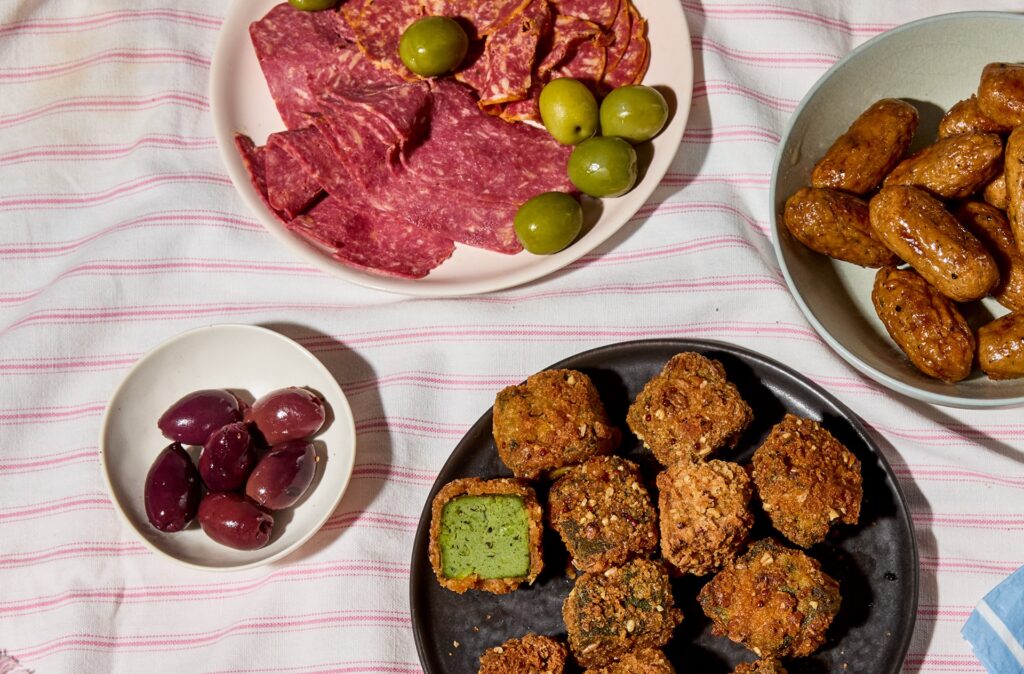
This’s foray beyond meat alternatives began last year, when it launched the This is Super Superfood range. The first two products contained fava bean protein, a range of seeds, and vegetables, delivering 18g of protein per 100g. The line was subsequently expanded to include multigrain breaded pieces and pea, lemon and basil protein bites.
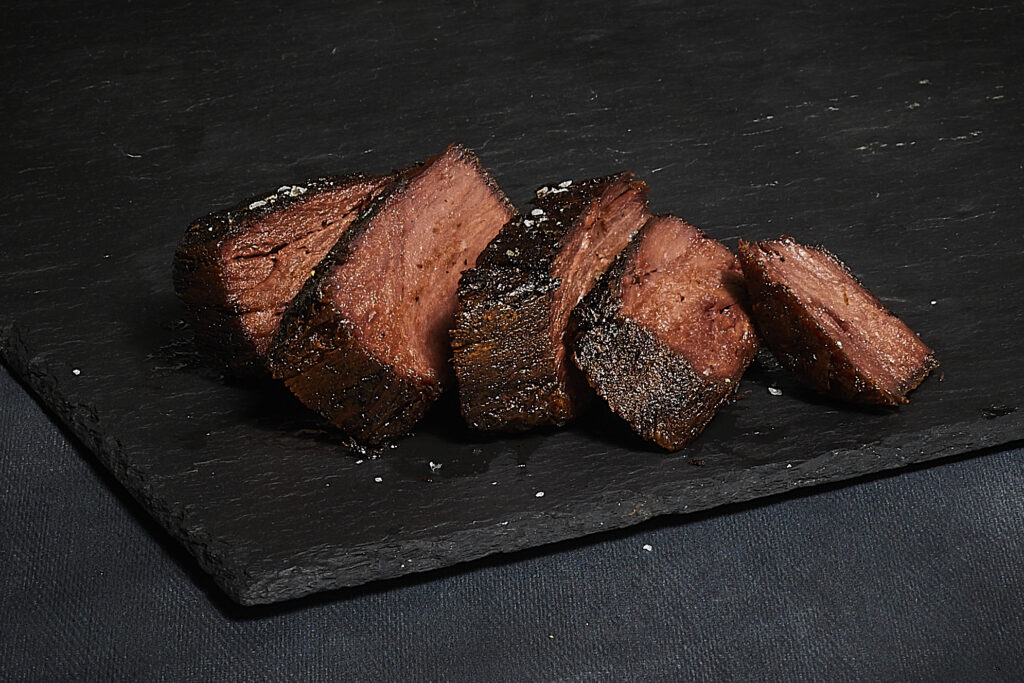
The startup also teamed up with Germany’s Omami to introduce the UK’s first chickpea tofu range. At the same time, This has kept rolling out new plant-based meat innovations, including beef pastrami slices and a whole-muscle steak in partnership with Dutch firm Rival Foods.
“There’s still an important place for replacement products for the animal equivalent. Why should people who choose not to eat animals not be able to enjoy a brilliant-tasting, healthier alternative to put on the BBQ?” says Cuddigan.
“We focus on sustainable protein that is great-tasting and healthy. We reject the argument that: why shouldn’t people just eat more fresh vegetables than, say, our sausages? Those that say this are eating pork sausages. So why shouldn’t they stop eating animals, which cause great suffering to animals and the environment, and simply eat fresh vegetables?” he adds.
“Overall, we believe there’s room for both, and together they can help accelerate the shift towards a more sustainable food system.”
Brands’ embrace of the whole-food route ‘a good thing’

This is among a number of plant-based companies that have introduced whole-food options over the last year. The same week it launched the Super Superfood line, Oh So Wholesome rolled out Veg’chop, a range of cubes made from red lentils, quinoa, yellow split peas, mushrooms, seeds, and more plants.
Since then, Juicy Marbles has come out with a veg-forward Umami Burger, Waitrose has begun stocking Symplicity Foods’s fermented-vegetable-based meat alternatives and (starting next month) Fable’s meaty mushrooms, and Gosh has introduced veggie-packed Super Plants Sausages.
These launches came as volume demand for chilled plant-based food rose by just under 1% across UK supermarkets in 2025, rising to 1.7% in the final quarter of the year. Tesco, the country’s largest retailer, ascribed the revival to the heightening demand for “veg-led foods” rich in protein and fibre.
“People want food that tastes good, makes them feel good, and aligns with their values. That’s driving demand across the board, whether that’s whole foods, plant-based alternatives, or a mix of both,” says Cuddigan.
“Greater awareness around health, climate and animal welfare is also playing a big role. Consumers are more informed than ever, and they’re actively looking for better options.
“We absolutely expect more brands to enter the space, and that’s a good thing, as well as working closely with partners to create the best products on the market. More choice drives category growth and helps normalise these products. Ultimately, if we’re serious about shifting the food system, it’s going to take many players pushing in the same direction.”
UPF concerns ‘a broader evolution’ rather than backlash
The whole-food plant-based format aims to tackle one of the UK’s top food concerns: ultra-processed foods (UPFs). Government polling shows that up to 78% of Brits are worried about UPFs (behind only inflation), and as much as 75% are concerned about the general healthiness of diets.
Plant-based meat is often perceived as overly processed and containing too many ingredients, even as experts suggest that not all UPFs are bad for health. Two recent studies have shown that swapping processed meat with plant-based alternatives can boost fibre intake and lower saturated fat and salt consumption, all key markers for good health.
“It’s a good thing that people are thinking more critically about what they eat. Our approach has always been to focus on outcomes over labels. Traditional processed meats are linked to well-documented health risks, and they come with a significant environmental and animal welfare cost,” says Cuddigan.
“Our products are designed to offer an alternative – high in protein, lower in saturated fat, and made without the need for animals. Our new deli-style slices are about convenience and familiarity. They give people an easy, everyday swap, without compromising on taste.”
This sees the current environment surrounding clean labels and UPFs “less as backlash and more as part of a broader evolution in how people think about food”.
“It’s not one-size-fits-all,” says Cuddigan. “Some consumers prioritise whole foods, others prioritise convenience, protein, or taste, and many are trying to balance all of those things at once. Our job is to serve those different needs responsibly. That said, we’re always innovating – improving our recipes, exploring new formats and ingredients, and giving shoppers more choice.”
This ‘very close’ to annual profitability as revenue continues to grow
This has been one of the fastest-growing meat-free brands in the UK for years, and in December it recorded its first net-profitable month. Co-founder Andy Shovel had announced an annualised gross revenue of around £24M, with over £56,000 in net profit.
“Reaching profitability, even for a single month, is a big milestone for us and it’s the result of a very deliberate focus on fundamentals,” says Cuddigan. “Over the past year, we’ve worked hard to improve our gross margins, optimise our supply chain, and ensure our products are delivering value both to consumers and to our retail partners.”
He adds: “We’re now very close to achieving profitability on an annual basis. With margins stabilised, our focus has shifted back to growth, and we’re seeing strong momentum, with 25% growth in the UK over the latest 12 weeks.”
To date, This has raised around £35M from investors, with its latest infusion coming from a £20M Series C round in 2024. Cuddigan hasn’t responded to Green Queen’s questions about the company’s future fundraising plans or his views on the industry’s funding decline.
Further, he did not respond to a question about how the chickpea tofu line is performing. That said, he shines a light on the sales of the Super Superfood range.
“Whenever you introduce something new like our Super Superfood range, it takes time to build awareness and for sales to build. But we have a strong core group of customers who love the range and are coming back to it, with sales steadily growing as distribution and understanding increase,” he says.
“Our meat alternatives still represent the majority of our sales today, which isn’t surprising given they’re more established and tap into familiar behaviours. But the superfood line is an important part of our future, and both play a significant role in driving growth within the category.”