

Are Snacks the Way to Go with Blended Meat? One Scientist Makes His Case

Blended meat is entering the protein mainstream – but are snacks like beef jerky a more viable format than burger patties? And is seaweed a better option than other plants? A new study answers it all.
Go to the supermarket, and you can buy beef burgers blended with mushrooms, nuggets combining chicken with wheat protein, or even chicken sausages mixed with vegetables.
These blended meat options are expanding rapidly in an era dominated by protein consumption and flexitarianism. These proteins have been the subject of large taste tests with adults and children alike, and are being used by supermarkets to diversify their offerings and meet their climate targets.
Some blended meat products have actually outperformed conventional animal proteins on the taste front, though they still have some way to go to achieve widespread consumer acceptance.
Last year, one study suggested that unfamiliarity with alternative protein ingredients can hinder their public appeal, compounding concerns about overprocessing, “discolouration, off-putting flavours, and less cohesive textures”.
The solution, according to the lead author of that paper, could be a shift in the product format. Instead of burgers, which are associated with some unshakeable expectations about taste and texture, what if blended meat focused on snacks instead?
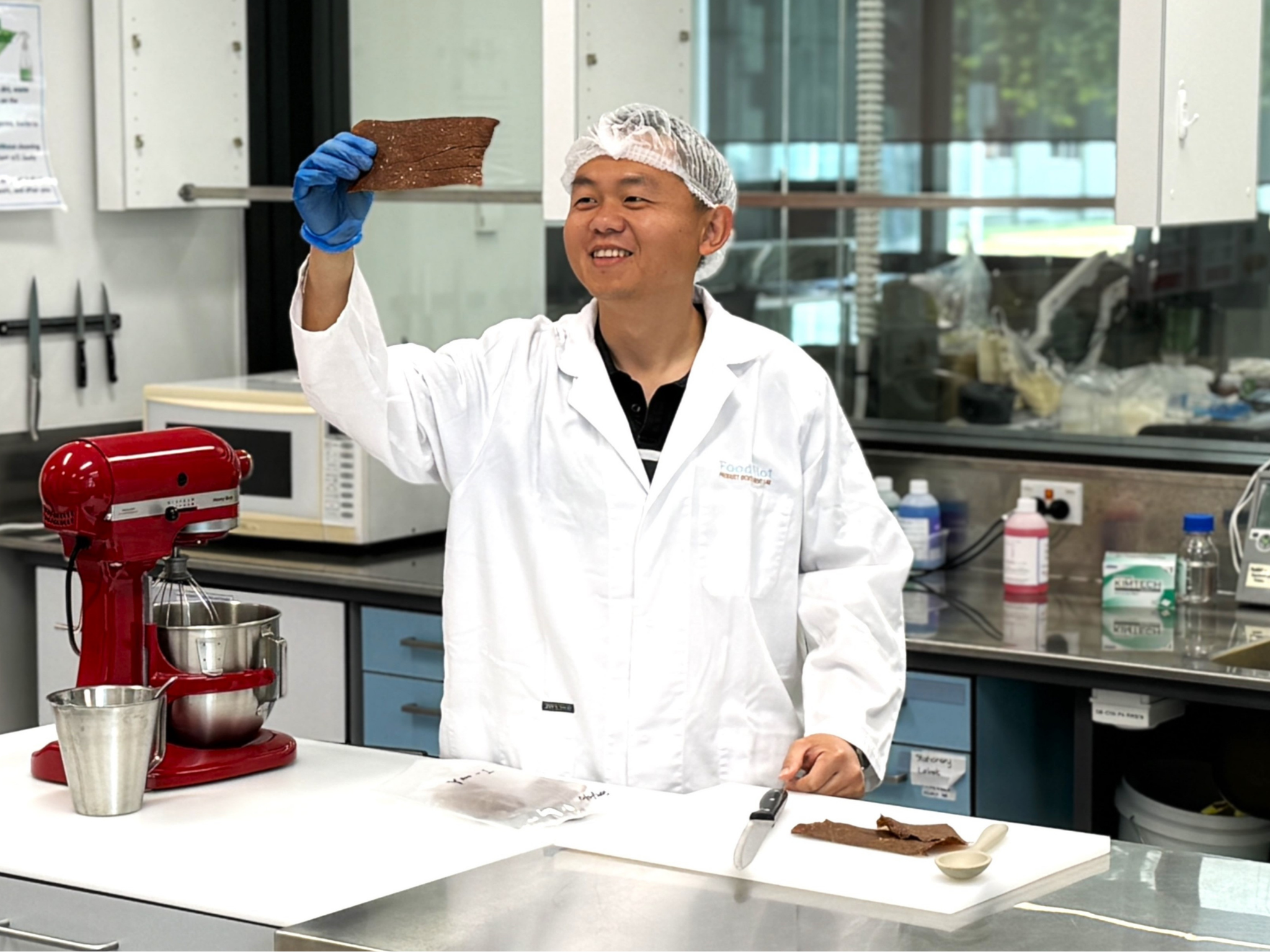
That’s what spurred Renyu Zhang, a meat scientist at Bioeconomy Science Institute, to create a blended jerky. And unlike existing offerings, his product eschews common plant proteins and vegetables for seaweed and nutritional yeast.
Why blended beef jerky might outperform burgers
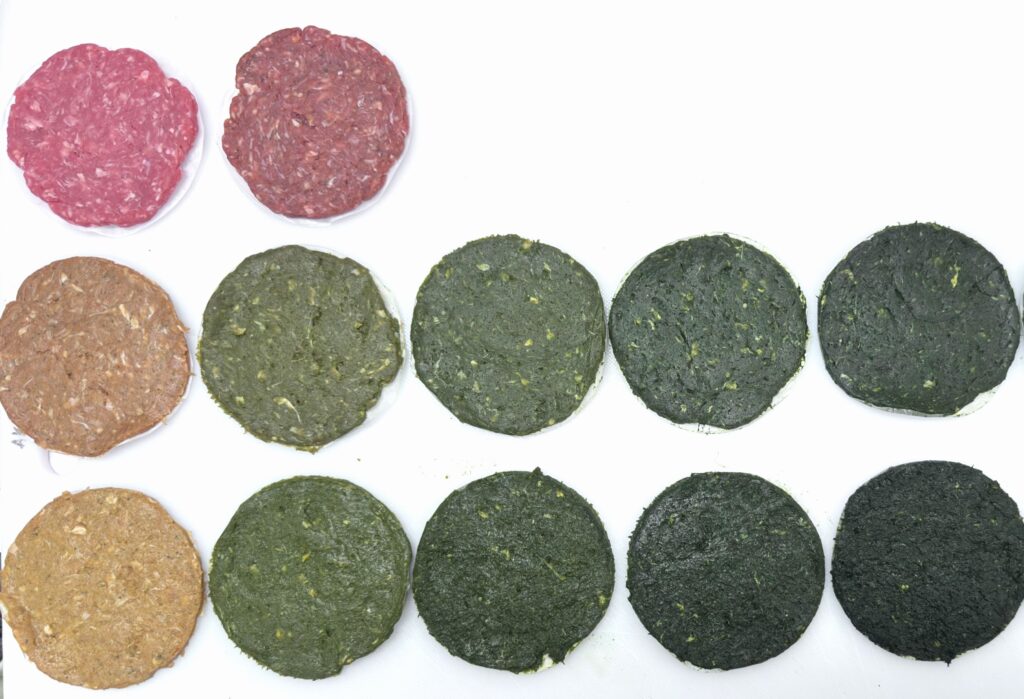
“Most research has focused on meat products such as patties, burgers, or sausages, though these formats are most sensitive to discolouration and textural changes, especially when ingredients like microalgae are incorporated,” Zhang and his colleagues write in Meat Science.
“Snack-type products, such as jerky, may offer more suitable carriers for hybrid formulations. Jerky is characterised by reduced water activity, fibrous texture with intense seasoning, which may mask the sensory limitations of microalgal biomass.
“Moreover, jerky is typically consumed in smaller portions, potentially lowering consumer resistance to novel formulations. Such properties make jerky a promising vehicle for advancing hybrid concepts beyond other traditional meat formats.”
The study suggests that jerky allows consumers to be more curious and adventurous, and invites experimentation with spices, smokes and marinades. And since it’s portioned and snackable, people are open to trying a blended version without committing to a full meal.
“Consumers are more willing to experiment with snack foods,” says Zhang. “We have a more open mind to trying different textures and flavours in a snack than in something we have a strong emotional attachment to, like a burger.”
In his research, Zhang combined beef mince with five ratios of Chlorella biomass and nutritional yeast at 20% and 35% substitution levels, and found that both ingredients reduced crude fat, energy content, and saturated fat, and increased polyunsaturated fat and carbohydrate content without affectin protein and moisture levels.
In burgers, greater seaweed content was linked to improved water- and oil-holding capacity, although these patties suffered from weakened gel networks with reduced elasticity and textural properties, particularly at higher concentrations.
The soft jerky model, however, mitigated these effects through dehydration, producing firmer and more cohesive textures. And the partial colour changes from the Chlorella could be offset by nutritional yeast, which either maintained or improved the appearance of the jerky, potentially boosting consumer acceptance.
How seaweed, nutritional yeast and AI can create next-gen blended meat
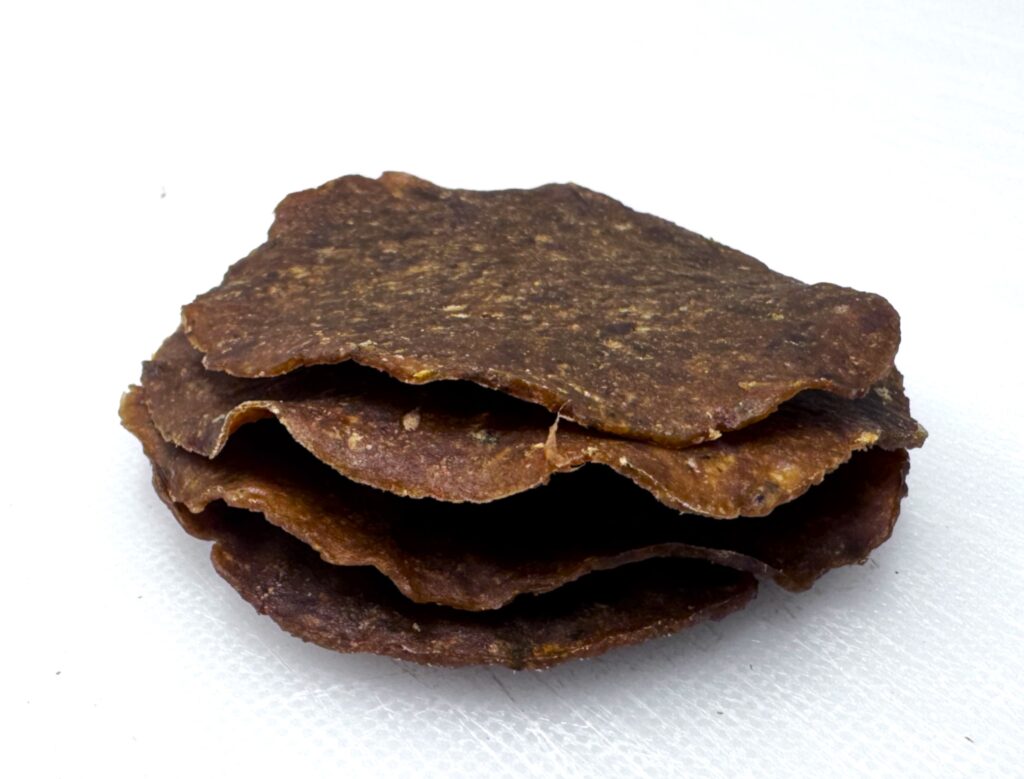
To make the jerky, Zhang designed a blended meat framework, described as a roadmap based on holistic systems. “You can’t just toss algae into beef and hope for the best,” he says. “You have to understand how all the parts behave – before, during, and after processing.”
Meat’s behaviour is shaped by a range of factors, including animal genetics, pre‑slaughter handling, and post‑mortem treatments like ageing or freezing. These shift protein solubility, gelation, and emulsification, which drive the texture, moisture retention, and bite in meat products.
Alternative proteins themselves are influenced by genetics, cultivation conditions, and downstream processing, which inform compatibility, flavour, and digestibility. This makes it important to choose ingredients that build complementary and cohesive structure.
Proteins are extremely sensitive to pH, temperature and salt. So small tweaks can transform how a blended beef jerky holds water, binds fat, and snaps upon tearing. Zhang’s version boasted lower fat and energy, and more minerals and good fats, preserving protein and delivering the chew and flavour expected from the product.
The scientist’s future research is set to include semi-solid formats and 3D-printed structures with tailored textures for elderly consumers, and liquid products for athletes who want fuss-free concentrated protein and micronutrients (think fortified spreads and soups).
To accelerate his research, Zhang is now leveraging digital tools like artificial intelligence, which will help screen ingredients, flag regulatory obstacles, and optimise trade-offs between cost, nutrition and texture. He will also use machine learning to help predict behaviours based on experimental datasets, and natural language processing to mine market data for what consumers really want to eat.
“If you meet them with something familiar that’s just a bit better for them, they’ll come along,” he says.