

A New Gut Health Trend: Stop Fibremaxxing, Start Fibrelayering

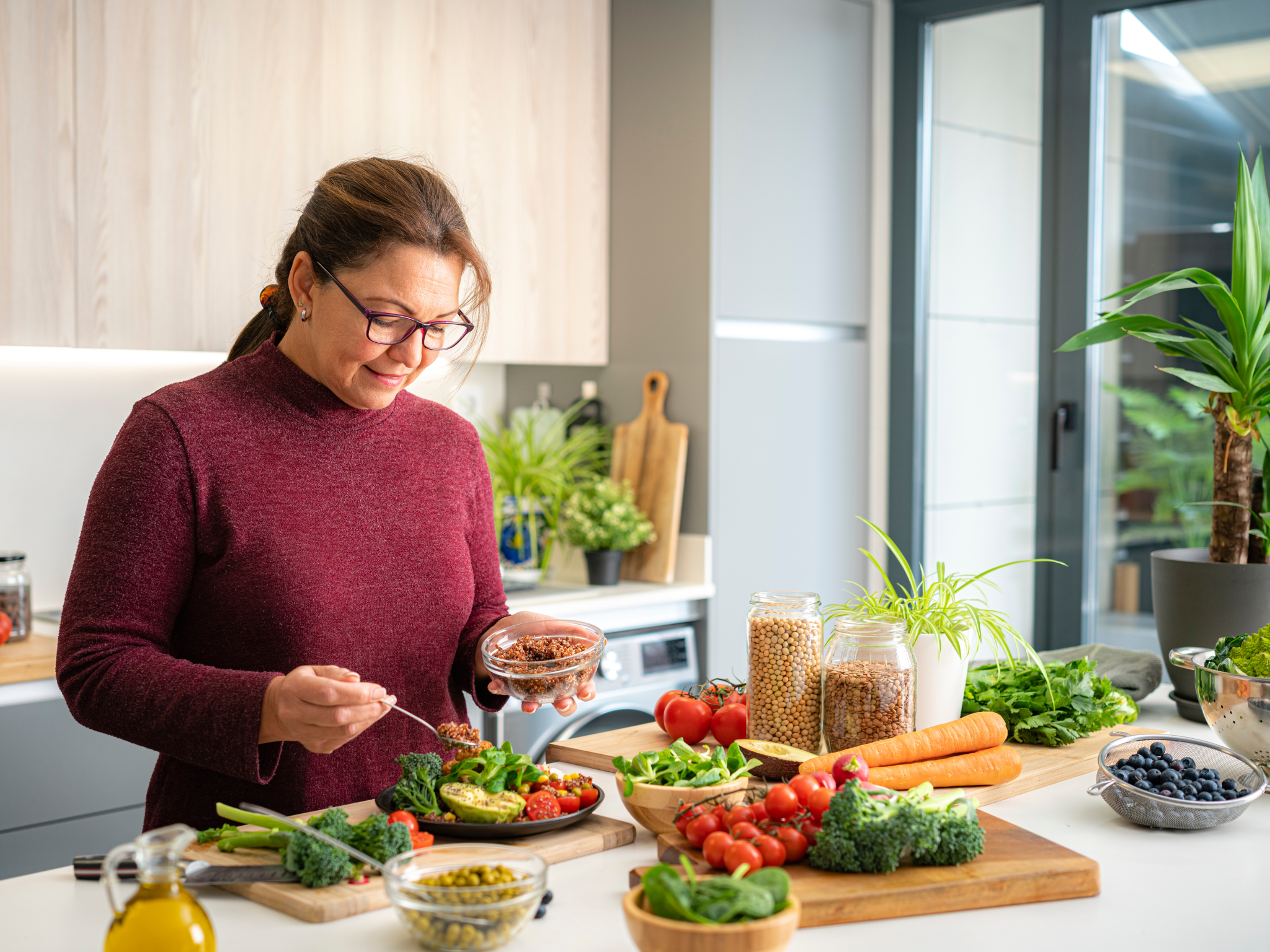
After a year dominated by fibremaxxing, nutritionists recommend turning your attention to fibrelayering, emphasising variety over volume.
TikTok may have convinced you to begin fibremaxxing, an online health trend that got a rare thumbs-up from nutritionists – but some are now advocating for a more refined approach to eating fibre.
There are concerns that loading up on fibre too quickly can cause a jolt to your digestive system, leading to discomforts like bloating, constipation or even diarrhoea.
To counter this, experts are encouraging a “slow and steady” strategy termed fibrelayering, which involves spreading your fibre consumption gently across all your meals and snacks throughout the week, instead of maxxing out on the macronutrient in one sitting.
Coined by Sasha Watkins, a nutritionist and head of health at Mindful Chef, fibrelayering focuses on building up the intake of different fibres meal by meal, an approach built on diversity, consistency, and variety.
This latest wellness trend comes amid the continued expansion of GLP-1 drugs and growing awareness around gut health, and savvy plant-based brands could turn this opportunity into a winning strategy.
What is fibrelayering, and how does it work?
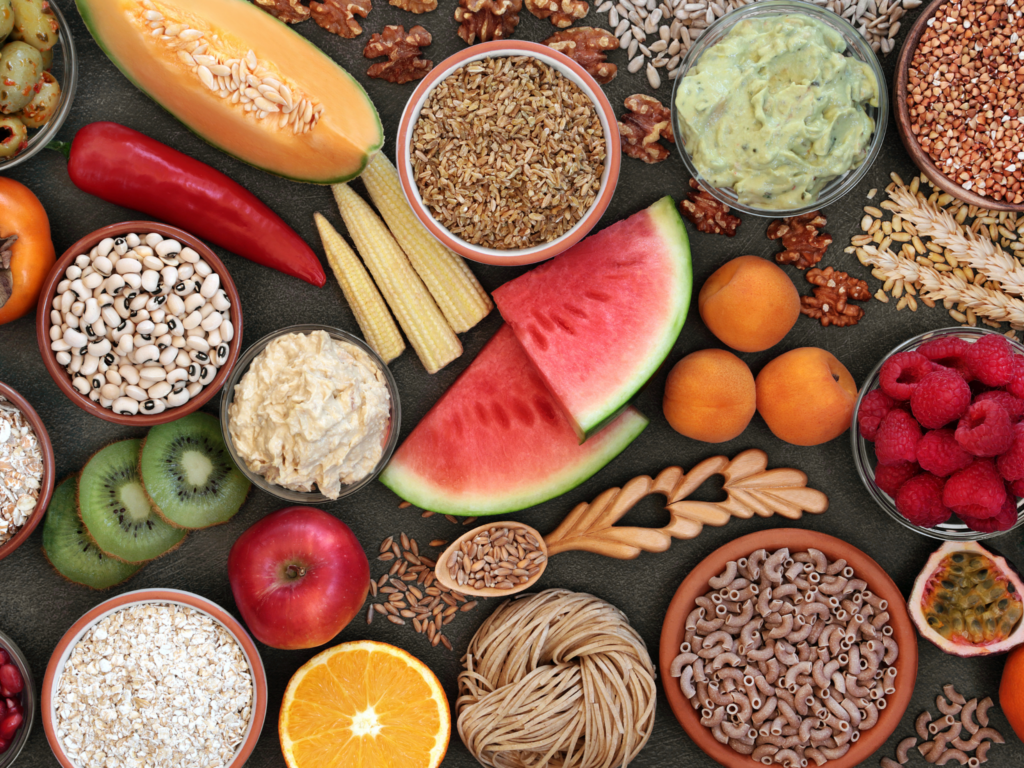
There are three main types of fibres present in food. Soluble fibres dissolve in water and form a gel-like substance that moves slowly through the digestive tract, preventing constipation, balancing glucose levels, and lowering cholesterol. Examples include oats, beans, apples, sweet potatoes, and flax seeds.
Insoluble fibres can’t dissolve in water, and instead pass through the gut to add bulk to your stool, promoting regular bowel movements and preventing constipation as well. These are essential for our gut bacteria, and are found in whole grains, almonds, chia seeds, and a range of fruits and vegetables.
Then there are resistant starches (or prebiotic fibre) – they bypass digestion in the small intestine and ferment in the large intestine, feeding good gut bacteria. Sources of these fibres include cooked rice and potatoes, legumes, green bananas, and sweetcorn.
“Different fibres feed different microbes. And a more diverse gut microbiome is linked to better long-term health,” Watkins explained in a LinkedIn post.
This is what fibrelayering is all about. Instead of a target quantity, the spotlight is on variety. It’s the same principle that has made PDCAAS a well-known concept in the protein world, where consumers are now looking for protein quality over purely the amount of the nutrient they consume.
Fibrelayering takes a page out of the ‘plant points’ playbook. Gut health experts have been recommending the intake of 30 different types of plants a week to help hit the target of 30g of fibre a day. A recent study confirms the efficacy of fibre diversity, finding that different fibres lead to a variety of predictable changes in gut health and gut bacteria activity.
“By using a variety of plant sources – think vibrant veggies, whole grains, pulses, nuts, and seeds – you’re not just getting more fibre, you’re getting diverse types of fibre that support a healthier microbiome,” Mindful Chef explained.
“It’s a calmer, more sustainable approach – and far kinder on your digestive system if you aren’t used to eating much fibre,” Watkins said.
Plant-based companies stand to win big
Fibre’s journey to the top of the nutrition conversation is informed by its various health benefits. It’s key to a healthy gut, which itself regulates metabolism and hormone levels. In addition, it can help manage weight and blood glucose levels, and lower cholesterol levels.
Plus, fibre boosts satiety and helps you feel full longer. It’s why diets rich in fibre have been linked to a lower risk of obesity, type 2 diabetes, stroke, heart disease, and even certain cancers.
The problem is, most of us are getting nowhere near as much fibre as we should. Almost all Americans and Brits (95%) are fibre-deficient. But nutrition apps like Zoe, documentaries such as Netflix’s Hack Your Health, and – yes – TikTok-fuelled fibremaxxing have changed how people view this macronutrient.
For instance, a 2025 survey by the International Food Information Council revealed that 64% of Americans are trying to eat more fibre. And a new poll by the organisation, released this month, suggests that the top three reasons they’re doing so are to eat healthy, get more fibre, and support gut health.
Plus, as more and more people begin taking Ozempic, Mounjaro and other weight-loss drugs, this nutrient is only gaining popularity. This is because fibre-packed foods help trigger the body’s natural GLP-1 response.
Plant-based food producers can capitalise on this shift. Since animal-sourced foods have virtually no fibre, the best way to layer your fibre consumption is to add more plants to your diet.
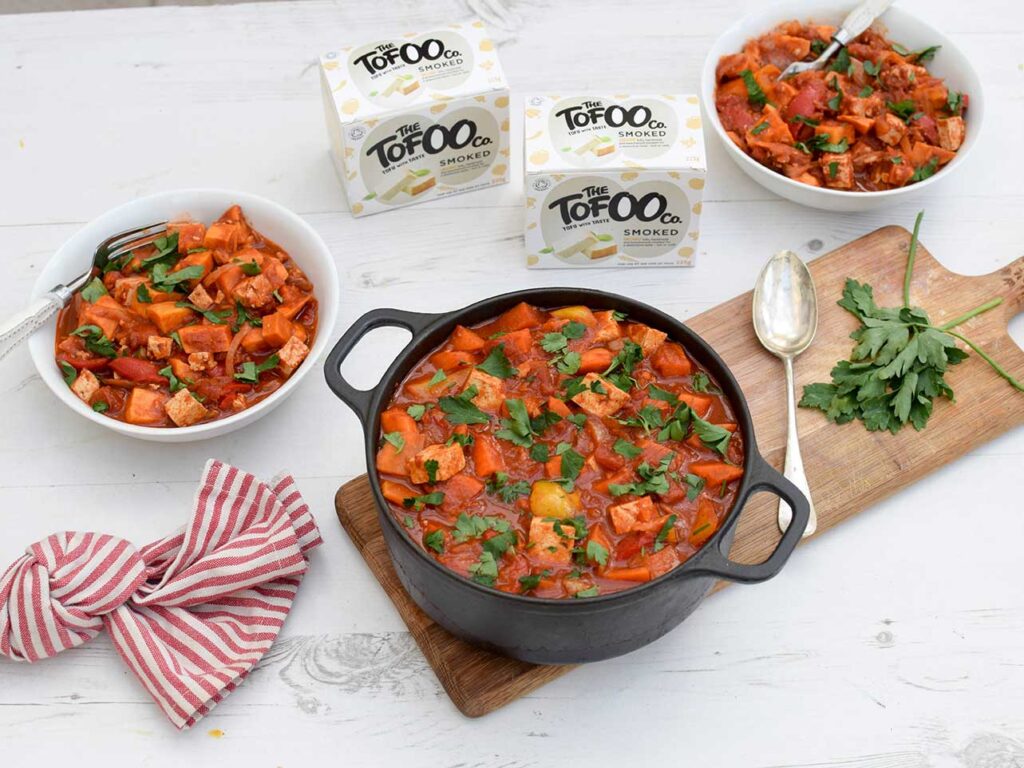
Companies that champion whole foods like fruits, vegetables, legumes, and traditional plant proteins – such as Actual Veggies, The Tofoo Co, Better Nature, Bold Bean Co, and Daily Harvest – could emerge as the biggest winners.
This is why plant-based meat brands are diversifying their offerings, too. In the UK, This launched the This is Super Superfood line and introduced a chickpea tofu line with Omami, and Juicy Marbles built on its meat alternative range with a vegetable-packed Umami Burger.
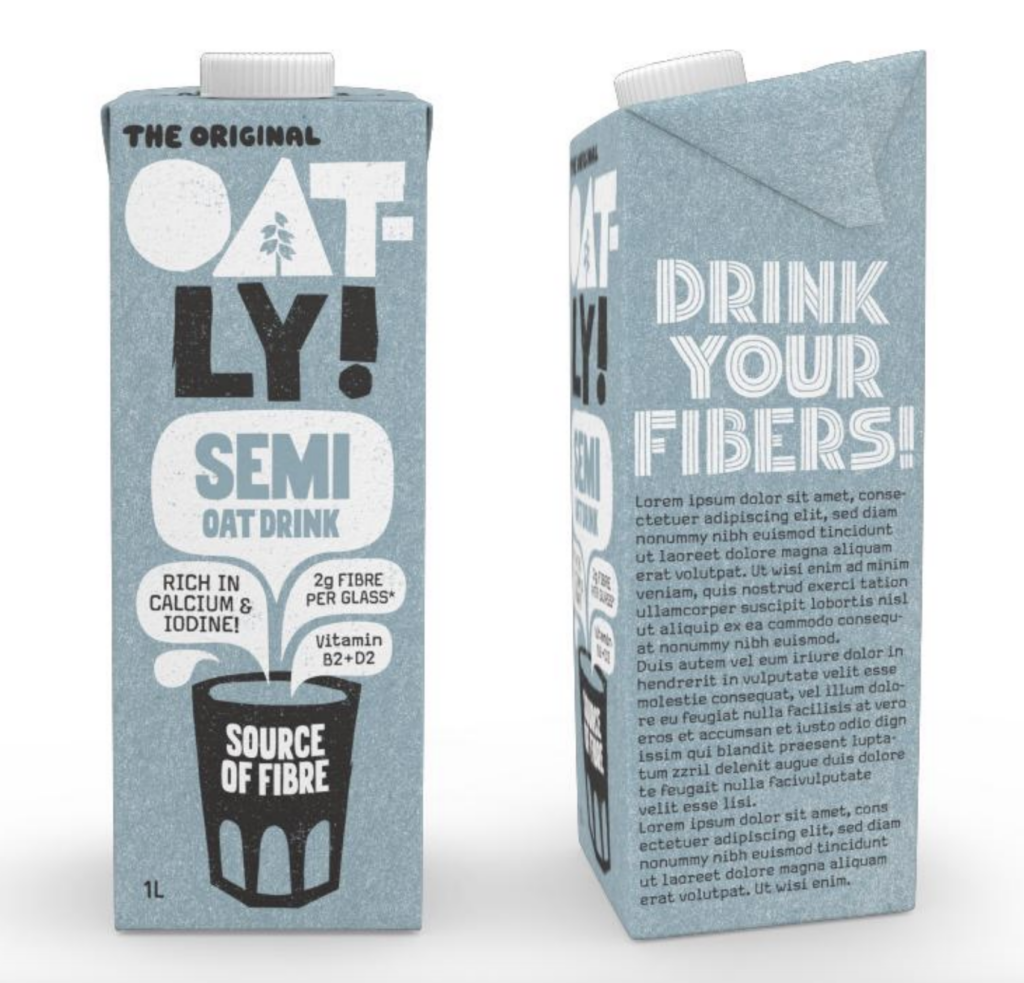
Still, companies selling vegan meat and dairy can also enjoy success, since they offer alternatives that add fibre to otherwise fibre-less animal proteins. Oatly is a prime example – despite calls to add a protein-boosted oat milk to its lineup, the Swedish company is instead focusing on fibre, proclaiming that the latter is “coming for protein’s crown”.
Plant-based companies would be wise to highlight how their products can help people layer and build their fibre intake. Doing so may also help their bottom lines, as can be seen with Oatly.