

Aleph Farms Secures Singapore Approval for Cultivated Beef, Targets 2027 Restaurant Launch

Israeli cultivated meat startup Aleph Farms has obtained regulatory approval for its beef steak in Singapore, and plans to launch the product in the first half of 2027.
Cultivated beef could land on Singapore’s restaurant menus as early as next year, with its food safety authority greenlighting the sale of Aleph Farms’ Thin-Cut Steak product.
The Israeli startup has secured regulatory approval from the Singapore Food Agency (SFA), nearly four years after filing its application. It follows the December 2023 clearance for the cultivated beef in its home country, making the firm one of only three startups cleared to sell cultured meat in multiple jurisdictions.
It is the sixth cultivated meat innovation to reach this feat in Singapore, which has now overtaken the US in the number of authorised products.
The development comes six months after Aleph Farms set up an entity in the city-state to serve as its Asia-Pacific hub, partnering with contract manufacturer Cell Agritech to produce its cultivated beef.
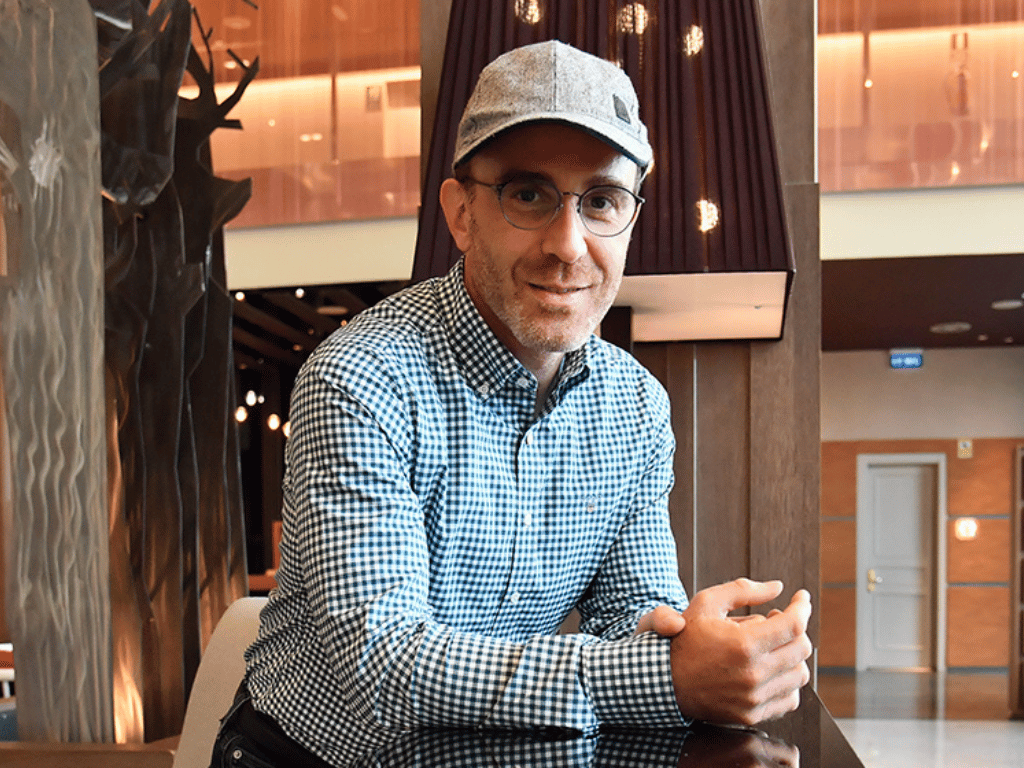
“We are targeting our Singapore production line to be operational in the first half of 2027, launching with select restaurant partners,” Aleph Farms co-founder and CEO Didier Toubia tells Green Queen, noting that it was in “active discussions” with eateries ahead of the rollout.
“As an epicentre of climate finance and food security innovation, Singapore is uniquely well-positioned to pioneer, refine, and introduce innovative alternative proteins such as cultivated beef to consumers,” says Mirte Gosker, CEO of the Good Food Institute APAC.
“The city-state plays a vital role as a regional and global connector, bringing together private investors, scientists, startups, philanthropists, and government officials from other forward-thinking countries – particularly China, Japan, and South Korea – to help shape a brighter food future for Asia.”
Why Singapore took nearly four years to approve Aleph Farms’s cultivated meat
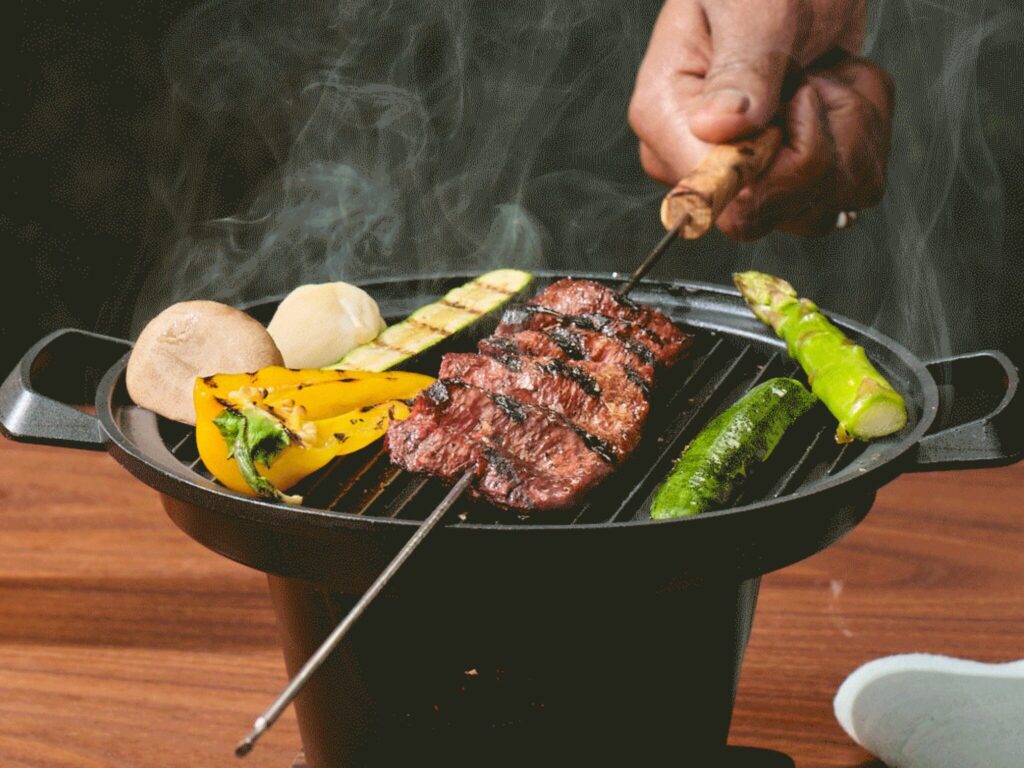
The regulatory clearance concerns Aleph Farms’s first product, the Thin-Cut Steak, a hybrid meat innovation combining non-modified, non-immortalised cells of a premium Black Angus cow with a plant protein matrix made of soy and wheat. It will be sold under the Aleph Cuts brand.
Its Singapore approval has been a long time coming. “We submitted our application to the SFA in September 2022,” says Yifat Gavriel, the company’s chief of regulatory affairs.
Singapore was the first country to approve the sale of cultivated meat, handing out a green light to Eat Just’s Good Meat brand in 2020. Its second approval came nearly four years later, for Vow’s cultivated quail (which is currently available in several formats at restaurants across the island nation).
In 2025, it gave the go-ahead to Friends & Family Pet Food Company for cell-cultured quail for cats and dogs. Parima, for its part, has been cleared to sell its chicken and duck in the last 12 months.
All hasn’t been smooth sailing for Singapore’s novel food sector, with Toubia estimating that a dozen or two others have filed regulatory dossiers with the SFA. “They really want to make sure that they are not perceived as a country where it is easy to get approvals,” he told Green Queen last year, before reiterating Aleph Farms’s belief in the nation’s future food ecosystem.
The financial and scale-up challenges being faced by cultivated meat startups have put alternative proteins on the back burner in the country, though. They’re no longer part of its food strategy, with environment minister Grace Fu citing “higher production costs and weaker-than-expected consumer acceptance globally”.
Singapore is currently focusing on R&D to make this sector “more competitive and mainstream”. And Toubia believes beef is the “best case” for a cultivated meat product, since it’s “premium and mass market at once”, which grants the flexibility needed for a “progressive go-to-market strategy”.
“Singapore was also the first jurisdiction in the world to establish a regulatory framework for cultivated meat, so this was a pioneering process rather than a product moving through an established pathway. Both the SFA and industry were navigating an entirely new category together,” Gavriel explains.
“Through the review, we worked closely with the agency on scientific and regulatory questions that had never been assessed for cultivated meat before, generating additional data as the framework itself evolved. It was thorough, and it has helped build a pathway that can support future innovation across the sector.”
Asset-light strategy outlines ‘clear focus’ on profitability
Aleph Farms will hope that this long-awaited milestone in Singapore is a signpost for approvals in other countries. “Earning approval in Singapore meant meeting one of the most rigorous novel food frameworks in the world,” says Gavriel. “It gives us a strong foundation as we pursue approvals in additional markets.”
It is awaiting approval in the UK, Switzerland, and Thailand, too. Toubia has outlined a three-phase plan to maintain the firm’s leadership in the industry. The first entails launching products with restaurant partners in Israel and Singapore by 2027 and achieving positive gross margins.
The second focuses on profitability in 2027-28 and expansion in APAC and the EU. In the final stage, it will go all-in on scale, launch in the US and Japan, introduce new products, and enter premium retailers.
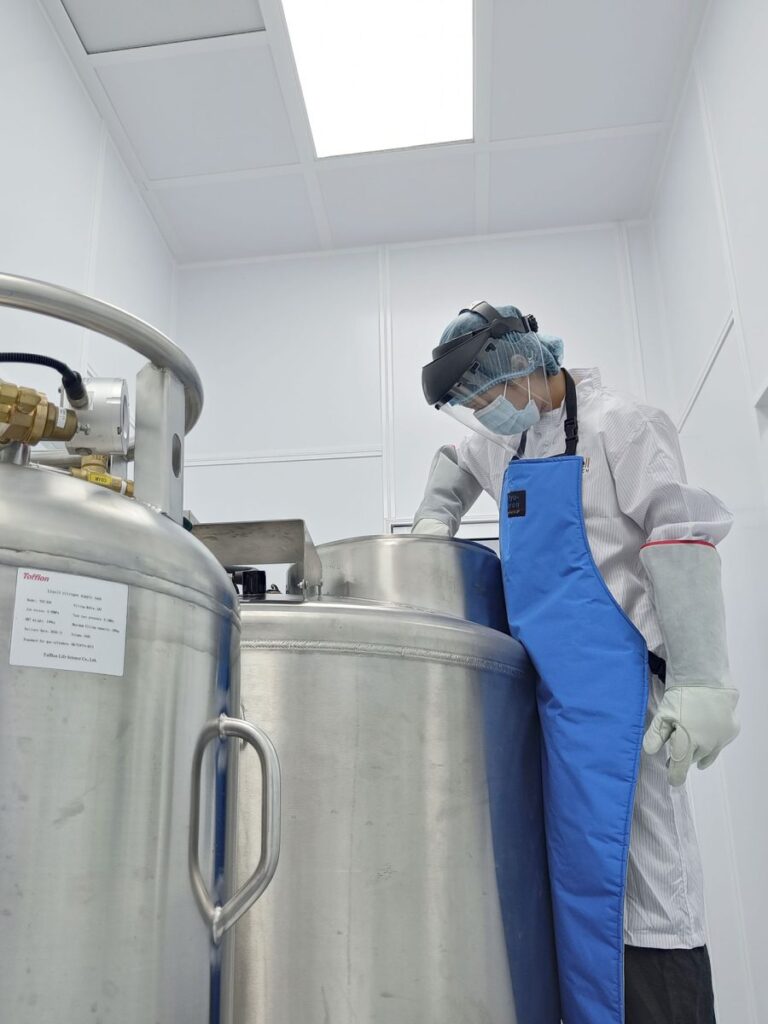
The startup, which has raised $147M to date, operates a 65,000 sq ft plant in Rehovot, with a capacity to initially produce 10 tonnes of cultivated steak annually. “Our Rehovot site had completed the preparations needed to support GMP [Good Manufacturing Practices] readiness, and we were well-positioned to proceed there,” says Gavriel.
“We have since moved to an outsourced manufacturing model, so the same GMP standards and regulatory expectations will apply to the partner site instead. We are in discussions with third parties to provide production services in Israel. It is our home market, and we intend to serve it once that production route is in place.”
Aleph Farms is building a factory in Thailand with biotech firms BBGI and Fermbox Bio, and has teamed up with Switzerland’s The Cultured Hub to produce cultivated meat for its European operations, in addition to the APAC-specific and Cell Agritech partnership. The shift to an asset-light strategy has, however, led to multiple rounds of layoffs, including one earlier this year.
“After significant progress on cell culture yield, cost reduction and scalability over the last few years, we are implementing our asset-light strategy with partners in both Switzerland and Singapore, targeting launch in 2027 with a clear focus on the path to profitability,” says Toubia.
“Initial volumes [of the Singapore site] will be modest while we invest in expanding local capacity with our partners, and we expect volumes to grow significantly through 2028,” he adds. Still, producing locally in a country that imports virtually all its beef is a positive move for its food security.
Outside Singapore and Israel, the US has granted approval to Upside Foods, Eat Just, Wildtype, Mission Barns, and the now-defunct Believer Meats. Down under, Vow has also been cleared to sell in Australia and New Zealand.
Beyond the human food space, Meatly and Friends & Family Pet Food have obtained the go-ahead in the UK and Singapore, respectively. And BeneMeat, Biocraft Pet Nutrition, and Umami Bioworks have registered their cultivated meat innovations as feed materials in the EU, enabling them to sell the products as ingredients to manufacturers.