

Cambridge University Spinout Bags $5M to Scale Up Fossil-Free, Plant-Based Colours

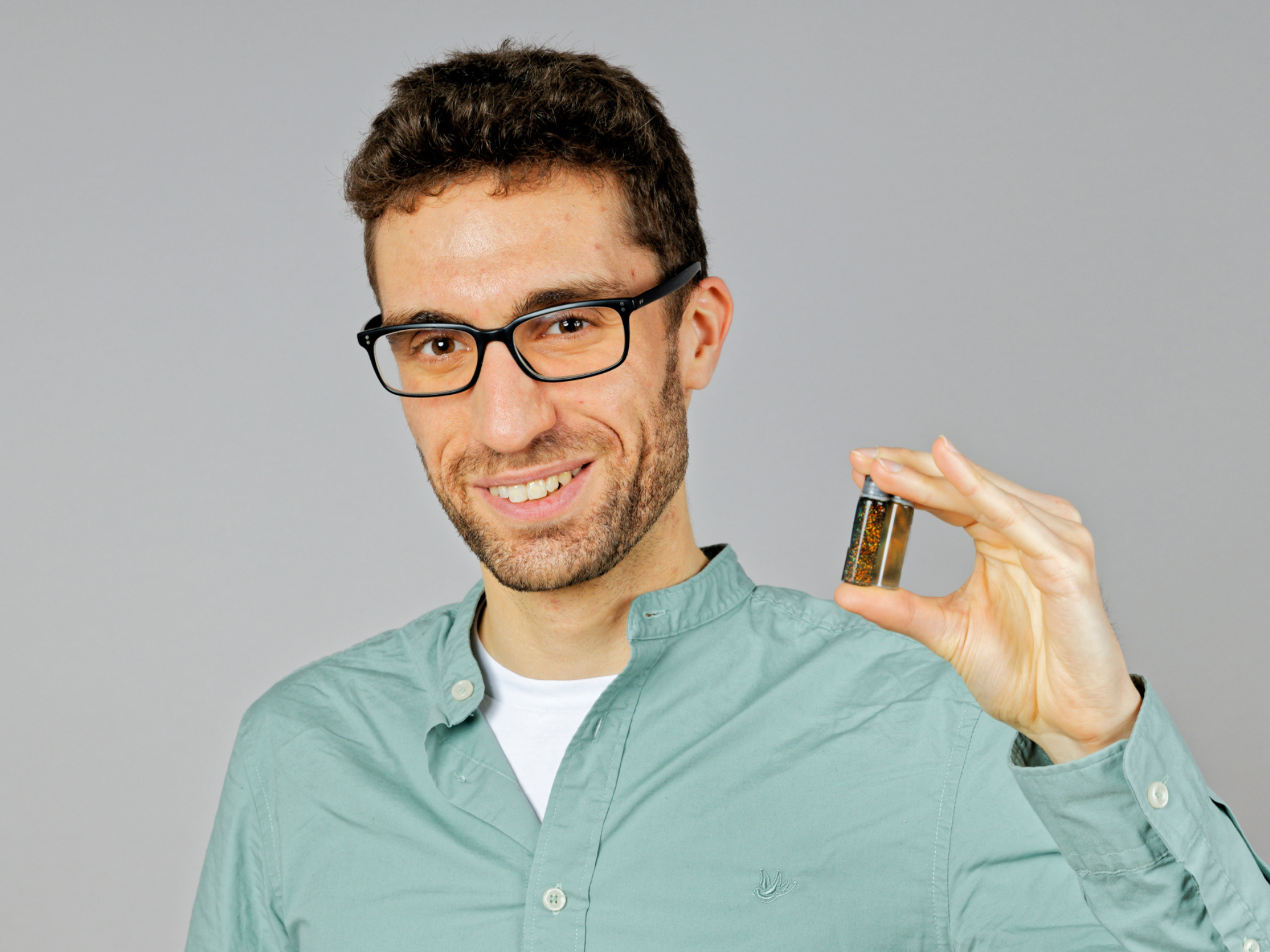
UK startup Sparxell has raised €4.2M ($5M) in pre-Series A funding to replace fossil-fuel-derived pigments with plant-based colours in the fashion and packaging sectors.
Fossil-free pigments are painting the VC town red, with British firm Sparxell becoming the latest alternative colour startup to pique investor interest.
The University of Cambridge spinout uses cellulose from wood pulp to create biodegradable pigments, inks, glitters, sequins, and films for a variety of applications.
It has now raised €4.2M ($5M) in a funding round led by SWEN Capital Partners’s Blue Ocean 2 fund, with participation from Alpha Star Capital and Cambridge Enterprise. The new capital will help Sparxell transition from pilot programmes to commercial-scale manufacturing, with tonne-scale production facilities set to be operational this year.
“By reinventing colour through a bio-based, biodegradable approach, Sparxell offers a tangible response to a major environmental challenge while enabling global industries to transition toward safer and more sustainable practices,” said Mélanie Le Guen, investment director for SWEN Capital Partners’s Blue Ocean strategy. “We are delighted to accompany them in this next phase of growth.”
How Sparxell transforms cellulose into structural colours
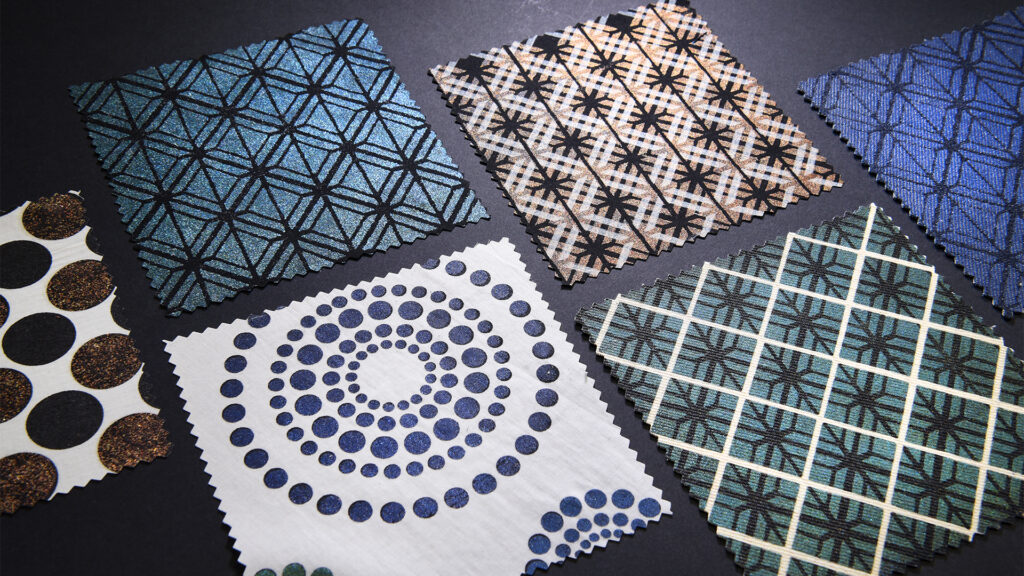
Sparxell was founded in 2023 by University of Cambridge scientists Benjamin Drouget and Silvia Vignolini, utilising the same principle behind the formation of bright colours within soap bubbles and animals like beetles and butterflies.
Its technology extracts and assembles cellulose crystals into microscopic structures that reflect specific wavelengths of light to create what it describes as “100% plant-based structural colour”. This allows the startup to create pigments without petroleum-based chemicals, synthetic dyes, or toxic heavy metals and minerals.
By utilising physical structures to create colour, Sparxell’s offerings can cater to companies in the textile, cosmetics, food, packaging, paint and automotive sectors.
“Our technology isn’t just an alternative – it is here to stay because it delivers superior performance due to its nature-inspired features. This funding takes us from proof of concept to production and commercial launches,” said Drouget.
“We’re at an inflexion point. Brands are under pressure to eliminate synthetic toxins from their supply chains. Momentum is building in Europe around banning ‘forever chemicals’ such as PFAS. The EU microplastics ban is also now in force, while the FDA is reassessing synthetic colour additives.”
Alexandre Cadain, co-founder and managing partner of Alpha Star Capital, explained why his firm was drawn to Sparxell’s leadership. “Instead of trying to retrofit sustainability into existing chemistry, they rebuilt colour from first principles using a natural structure,” he said. “It offers a clear answer to a long-standing industry challenge, and it works at a scale that matters.”
Sparxell looks to scale up and accelerate certifications across industries

In the textile industry, the vast majority of pigments are derived from fossil fuels, requiring massive amounts of water to produce. Much of the toxins in these dyes leach into the waterways and escape wastewater treatment, which is why textile dying is responsible for 17-20% of global water pollution.
Synthetic dyes are also non-biodegradable and hard to recycle. Sparxell’s plant-based colours, however, eliminate microplastics and chemical pollution, lower water and energy use, and can be incorporated into circular economy systems to offer more sustainable end-of-life options.
The firm has already worked with a range of brands. British luxury brand Patrick McDowell used its colours in a couture gown, a shirt dress, and a bag last year, and textile company Positive Materials launched a range of inks made from Sparxell’s structural colour tech. Material science innovator Pangaia even introduced a world-first reflective pigment with the startup.
Now, Sparxell will use the funds to scale up its manufacturing, ramp up product certification for textiles, cosmetics, and automotive applications, and hire key new staff (including for business development).
It is one of several alternative colour startups that have attracted investment in recent months. In November, Chromologics raised $8M to launch its food-grade, microbial alternative to synthetic red dye in the US and Europe. And last month, Octarine Bio secured $5.8M to launch precision-fermented pigments for food, textiles, and personal care.
Sparxell, which has previously been backed by LVMH, itself benefited from a €1.9M grant from the European Innovation Council to overcome technical barriers in the scale-up process.
Speaking after the pre-Series A round, Chris Gibbs, investment director at Cambridge Enterprise, said: “This investment is an important milestone in Sparxell’s development, enabling more sustainable colourants based on natural, biodegradable pigments delivering tangible environmental benefits as the technology scales.”
He added: “We’re pleased to have worked alongside the team since their earliest stages and to continue to support them through this next phase. The team has built a great round and a great investor syndicate to take the technology global.”