

3 Future Food Projects Get $4.7M Dutch Govt Funding for Cultivated Meat & Fermentation

The Dutch Research Council has awarded €4.1M ($4.7M) to three cellular agriculture research projects looking to scale up cultivated meat and precision-fermented foods.
Extending its role as one of Europe’s future food leaders, the Netherlands has awarded €4.1M ($4.7M) to new research projects focused on accelerating the protein transition.
The funding from the Dutch Research Council (NWO) will support three projects aiming to scale up and reduce costs for cultivated meat and precision fermentation production.
They’re part of the National Growth Fund programme for Cellular Agriculture, which was developed in collaboration with Cellular Agriculture Netherlands (CAN) following the Dutch government’s €60M investment to develop the domestic future food ecosystem through these technologies.
Cellular agriculture entails using animal cells and microorganisms to produce foods like dairy, meat and seafood, without relying on conventional livestock farming. These cells and microbes are grown in bioreactors to produce bioidentical versions of proteins, fats and other molecules, reducing the environmental impact of animal agriculture and diversifying income pathways for producers.
CAN has been coordinating activities focused on talent, public research, open-access scale-up facilities, tasting events, sector support, and public acceptance for cell-cultured and precision-fermented proteins.
It has led a core research programme with 17 PhD and EngD projects since 2024, which is now being strengthened by three consortia of public and private partners that generate another nine research positions.
What the awarded projects cover

The first of the three research efforts is titled Upscaling Cultivated Meat Production via Cell Engineering (Up-Cell). It aims to tackle many of the challenges that currently limit the commerical viability of cultivated meat, including a critical lack of animal cells suited for industrial manufacturing.
Led by TU Delft, with partners such as Tufts University, Imperial College London and Umami Bioworks, Up-Cell will combine precise cell engineering with detailed modelling and simulation techniques to understand and manipulate critical cell behaviours that allow for cost-effective, large-scale bioreactor cell cultures. It will build a platform for engineering multiple cell types from different animal species.
The second project, MeatUp, is coordinated by Maastricht University, which is joined by Wageningen University & Research, Seaweedland, Sartorius, and others. This is focused on enhancing whole-cut meat alternatives through advanced biomanufacturing techniques.
This initiative will integrate expertise in biofabrication, bioprocess engineering, cell biology and the design of edible biomaterials to scale up the production of cell-material building blocks, explore natural resources like seaweed and algae to enhance nutrition and tissue development, and connect processing techniques to bioreactors for further tissue maturation.
Finally, NWO has awarded funding to Leiden University’s FungCows project, which is aiming to build fungal cell factories to produce cow-free milk proteins via precision fermentation. The consortium is establishing a bioprocess that engineers non-model fungi to express milk proteins from grass-based inputs.
This project covers the entire process chain, from strain design and laboratory-scale fermentation to process integration and validation. All consortium partners – which include BioscienZ, Those Vegan Cowboys, Biotechnology Fermentation Facility, and more – will collaborate and exchange knowledge on their work packages, with their complementary expertise tipped to ensure the project’s success.
Why the Netherlands is a cellular agriculture leader
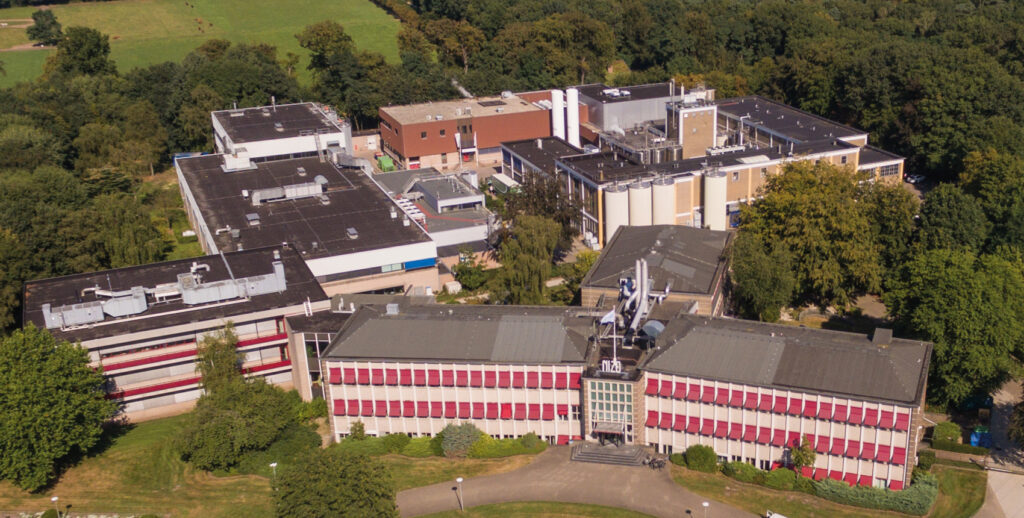
The National Growth Fund’s Cellular Agriculture programme is designed to bolster the Netherlands’s position as a global leader in this sector by supporting research, workforce development, and the creation of scale-up infrastructure.
Through these projects, NWO aims to close the gap between the scientific research and industrial application of new technologies that contribute to long-term economic growth, environmental sustainability, and improved food systems.
The national government has invested at least €67M in cultivated meat research so far, more than any of its European counterparts, in addition to the €60M commitment for cellular agriculture. And last year, it injected €25M in two open-access facilities to scale up precision fermentation and cultivated meat production.
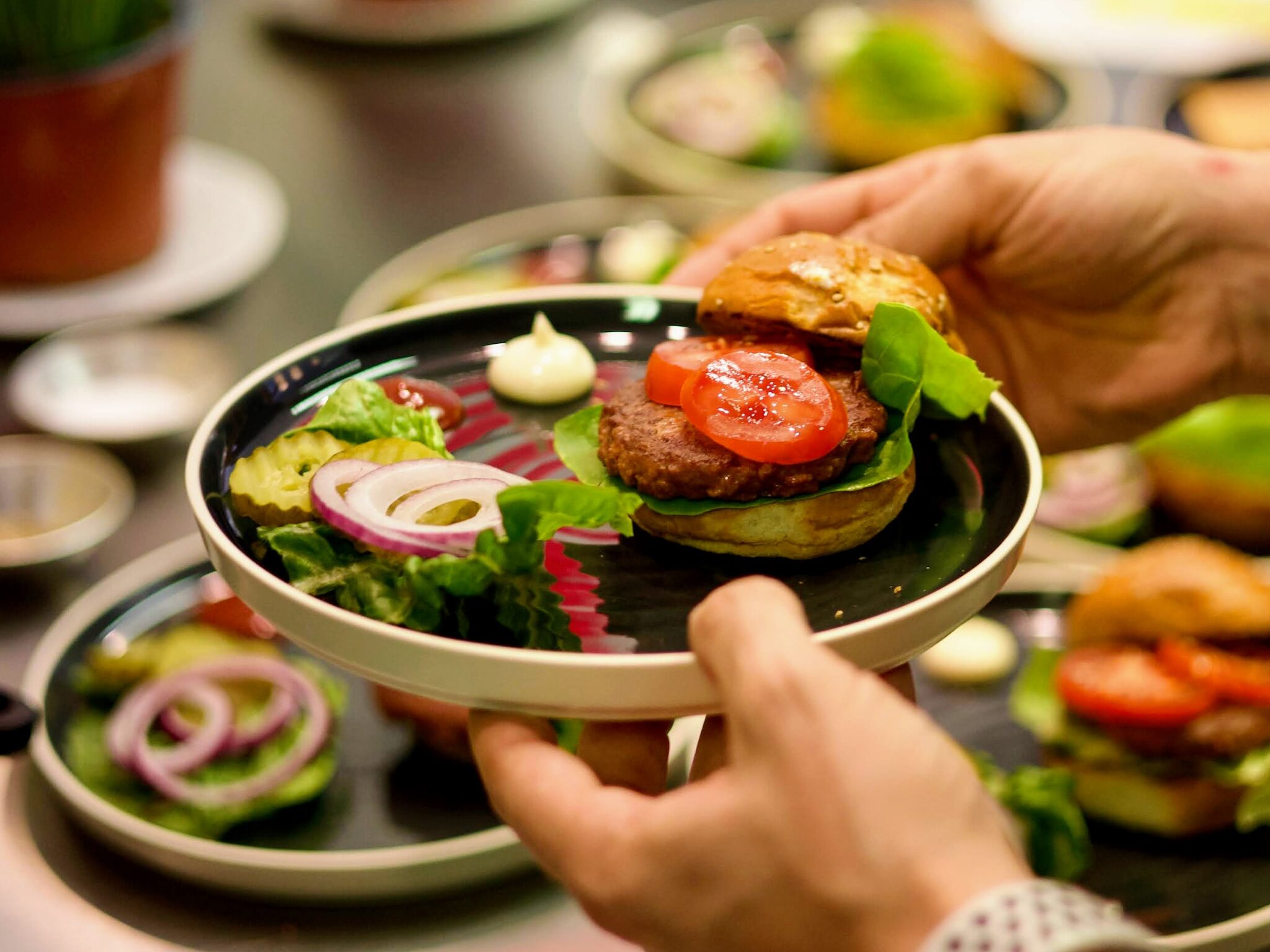
It’s the only EU nation to have approved and hosted public tastings for both these proteins, and was home to the world’s first cultivated meat burger in 2013, through Mosa Meat.
These efforts are reflective of the views of the Dutch population, 63% of whom are supportive of the sale of cultivated meat if it clears regulatory hurdles, with 59% open to trying these products.
They’re also more opposed to any proposed bans on these proteins than any other nation in the EU, with only 25% indicating support for such legislation. Dutch lawmakers, for their part, have batted for cultivated meat in the EU, where some member states have tried to justify a ban on cultivated meat (like the one introduced in Italy).
They expressed doubt that an “absolute ban” is proportionate to any issues presented by these proteins, and believed that its objectives could be achieved in “an alternative, less far-reaching way, without introducing a ban on a product that has not yet been placed on the market”.