

COP31 Targets 60% of Meat-Free Meals & A Fully Plant-Based Café

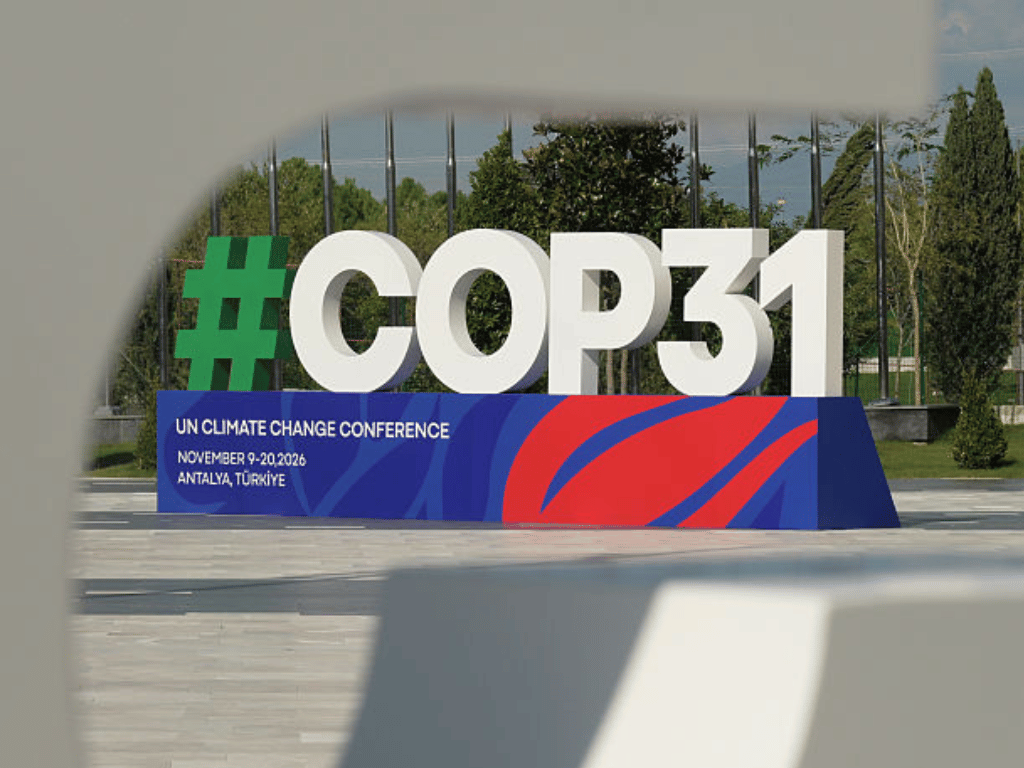
COP31 has set a goal of making 60% of its catering vegetarian, while also hosting a 100% plant-based café and two local vegan businesses at the venue in Antalya, Turkey.
The UN’s flagship climate conference is set to return next week, with leaders from across the world convening in Antalya, Turkey to make a fresh attempt to negotiate a fossil fuel phaseout.
Hosted by the United Nations Framework Convention on Climate Change (UNFCCC), the impact of these COP summits has diminished in recent years, and critics say it is no longer fit for purpose. But it’s still the foremost political convention on climate change.
Whether discussions on winding down fossil fuel use and mobilising climate finance will actually get somewhere remains to be seen, but there is some positive news about what delegates will eat.
According to the Food & Climate Action Group, a coalition of over 20 non-profits advocating for food systems transformation within the UNFCCC, the Presidency of COP31 has set a goal of 60% meat-free catering.
The fact that a climate conference is serving (partly) climate-friendly food shouldn’t be news, but such is the nature of previous COP summits, that even a 60% target for vegetarian food is a positive.
COP’s recent history with plant-based food
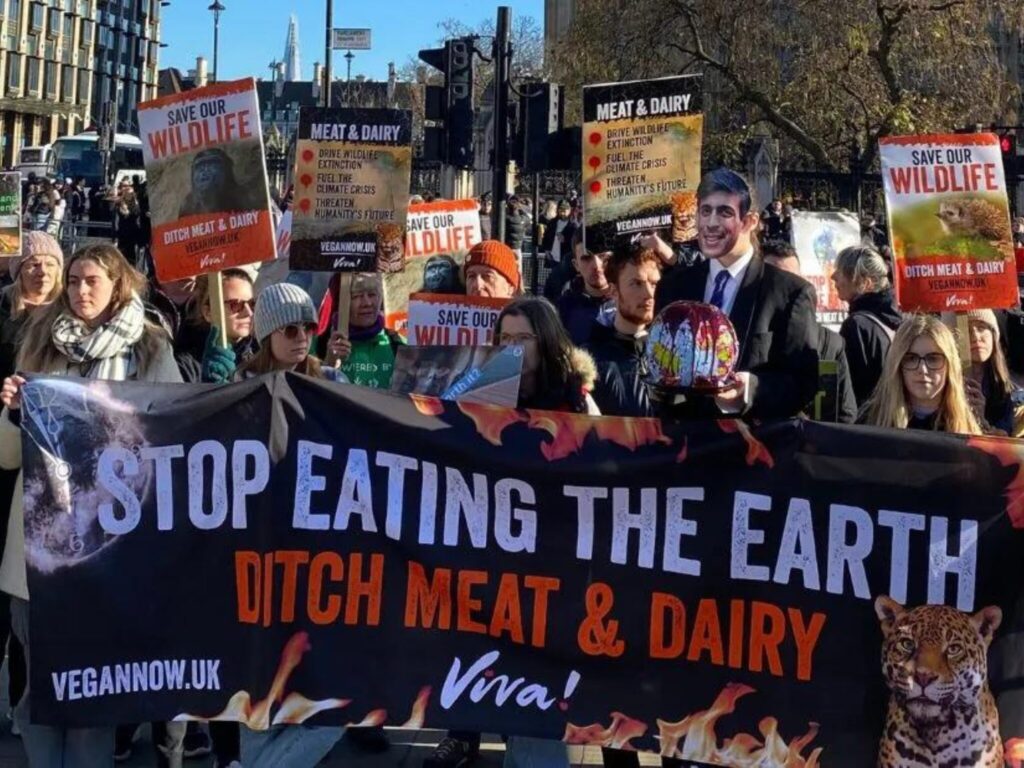
Food hasn’t always been as high on the list of priorities as it should be at a climate summit, considering that the agrifood sector emits a third of all greenhouse gases.
But recent years have seen the UN make an effort to highlight the link between food and climate change, often through its menu at COP conferences. At COP26 in Glasgow, the Presidency added climate footprint data to what was otherwise a meat-heavy menu, and a year later, the conference in Sharm El-Sheikh, Egypt hosted its first-ever pavilions dedicated to food system changes.
COP28, hosted in Dubai, was when the spotlight on plant-based food really brightened. Although criticised for being hosted by an oil major, the conference made two-thirds of its menu meat-free, responding to months of campaigning by the Youth and Children Constituency of the UNFCCC (YOUNGO) and over 140 youth and civil society groups.
The year after, however, things took a disappointing turn in Baku, Azerbaijan (another fossil fuel major). Forget having a target share for plant-based food; there were barely any meat-free options to begin with. And activists found that the hosts had mislabelled a glut of meat- or dairy-containing dishes as vegetarian or vegan.
Only two outlets were meat-free in the COP29 food court, and the UN had been forced to respond to complaints by highlighting all the plant-based options available at the summit, although its suggestion that all food items had a “very low carbon impact” was highly misleading.
And at COP30 in Belém, Brazil, a catering survey carried out by ProVeg International revealed that 51.2% of all meals and snacks were meat-free, exceeding the 40% target pledged months before the summit.
Still, several issues persisted, including mislabelling, higher prices for plant-based options, low availability of milk alternatives, and a significant amount of beef (the most polluting food on the planet).
Can COP31 accelerate countries’ flagging action on food?
COP31 in Antalya has a chance to build on the groundwork laid out by the conferences in Dubai and Belém. “At COP28, the Presidency’s decision to make plant-rich options a predominant part of the catering offer set a historic precedent. It showed what happens when ambitious leadership meets sustained civil society pressure, above all from young people,” said ProVeg International’s Juliette Tronchon.
“Through the Food@COP campaign launched after COP25 under YOUNGO [the UNFCCC’s Youth Climate Movement], a demand was turned into reality at the world’s biggest climate conference: shifting towards plant-based food systems is essential to meeting the Paris Agreement targets, and COP28 showed that climate events can lead by example.”
Aside from the 60% target, the COP31 Presidency has also ensured the presence of two fully plant-based cafés on-site, and invited two Antalya-based vegan businesses to participate in the food court.
The hosts will also focus on clearer labelling, including ingredient and nutritional information, to ensure delegates can make informed choices. According to the Food & Climate Action Group, whose members include ProVeg International, the Plant Based Treaty, and Climate Bridges, the plant-forward initiatives are a “cause for celebration”.
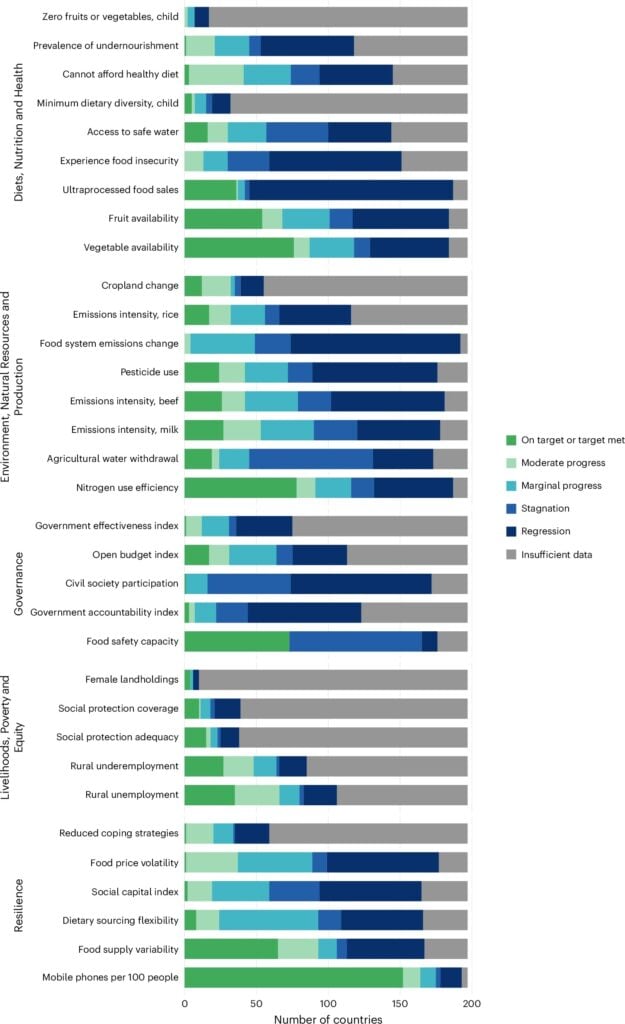
The decision to focus on meat-free menus comes weeks after a UN-backed report revealed that the vast majority of countries will not meet internationally agreed food systems goals for 2030, with the measure for reducing greenhouse gas emissions exhibiting one of the largest gaps. The report said food system emissions change will require annual reductions exceeding 60%, which is challenging even for 2050.
“There is growing awareness of the connection between our global food system and climate change, so it is vital that the international conference dedicated to this space offers meal choices that are minimising harm,” said Nilgün Engin from the Plant Based Treaty.
“The production of animal-sourced foods is attributed to up to 20% of emissions, and switching to climate-friendly options sends a signal that leaders are serious about addressing this. We look forward to attending COP31 in Türkiye next month, and enjoying meals that are in line with the Paris Agreement and less damaging to our planet and all of its inhabitants.”