

Italian Vegan Cheese Startup Dreamfarm Eyes 2026 Expansion After Doubling Revenue

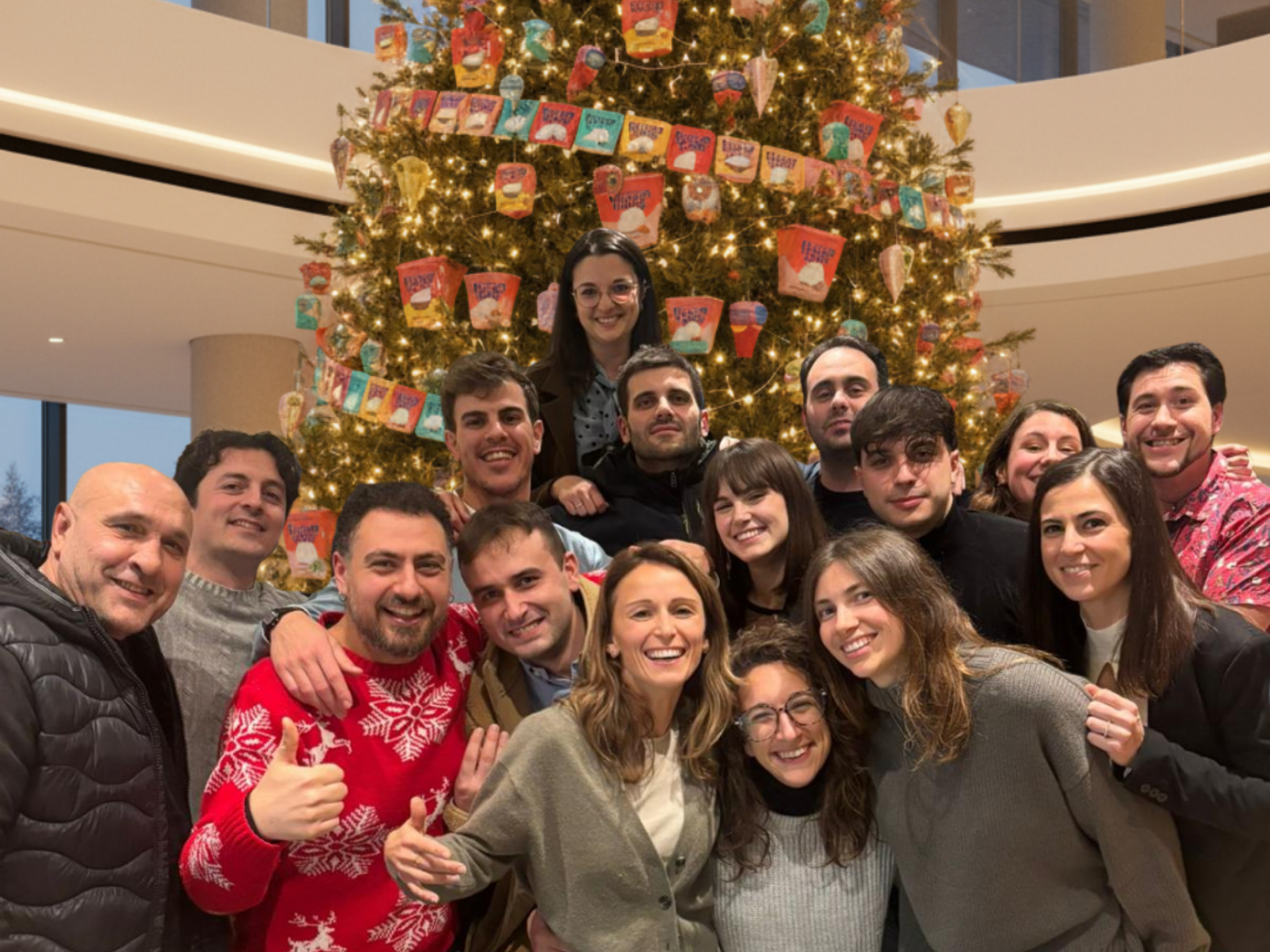
After expanding in several European markets, dairy-free cheesemaker Dreamfarm more than doubled its sales in 2025 – and it’s eyeing similar success this year.
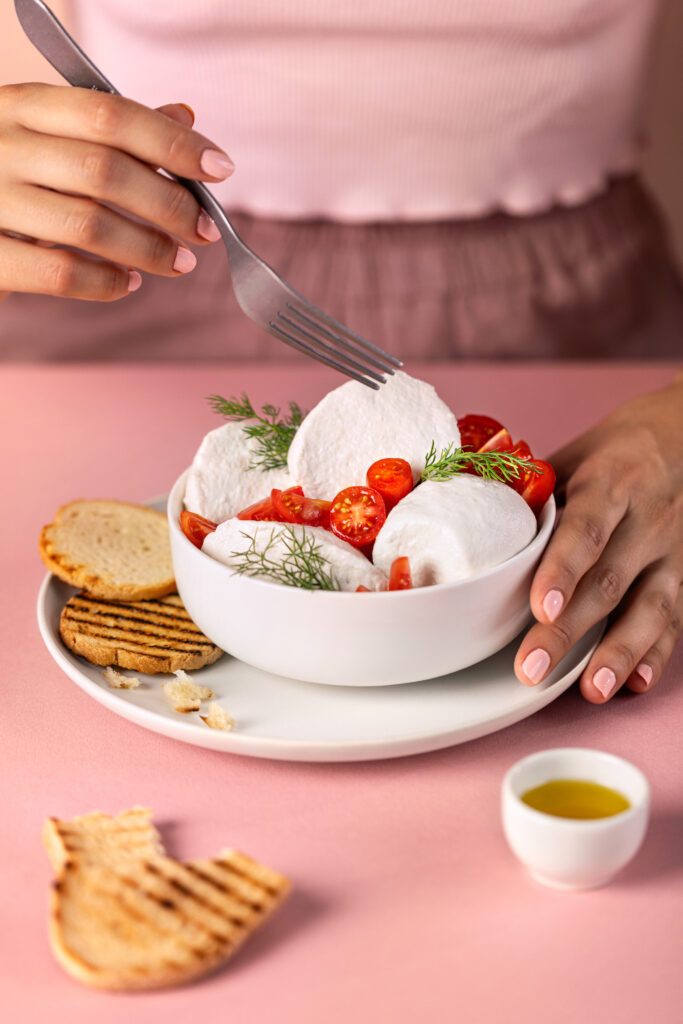
Italian non-dairy cheese startup Dreamfarm bucked the plant-based decline with a strong showing in 2025, headlined by a clean-label almond mozzarella packaged in a brine, much like its dairy counterpart.
The Parma-based firm’s year-on-year revenue more than doubled in 2025, totalling around €2M. Though small, it’s an encouraging sign for a producer of one of the more polarising vegan categories in a country that takes cheese seriously.
“I think customers appreciate our approach and focus on quality, fewer ingredients, and great taste,” co-founder and CEO Giovanni Menozzi tells Green Queen. “Retailers, as well, appreciate these things, see good rotations on the shelves, and are open to increasing distribution and adding new SKUs.”
Dreamfarm is now hoping to replicate its success in 2026 by launching new products and expanding its distribution across retail and foodservice in Europe. “We would like to continue to double year-on-year, even if each year it becomes more difficult,” says Menozzi.
Financial success built on expansion and marketing strategies

Dreamfarm uses almonds and cashews to make clean-label dairy-free alternatives to staple Italian cheeses like mozzarella, ricotta, and stracciatella, each with a Nutri-Score A rating. The firm also makes cream-cheese-like spreads in plain and garlic-and-herb flavours.
The company attributed its 2025 growth to “strong consumer demand and high product rotation across retail channels”. While its products are available in Esselunga, Coop, and Conad in Italy, its strategic focus increasingly skews international.
Dreamfarm’s vegan cheese can be found in retailers in the Netherlands, Belgium, Germany, and France, including Albert Heijn, Monoprix, Edeka, and online grocer Picnic.
At the same time, the firm added new products to its portfolio, launching plant-based ciliegine (or mini mozzarella balls) and conducting a guerrilla marketing stunt in the streets of Milan, with actors posing as tourists wearing cow masks and vacation-ready attire to send cows on a break.
Moreover, the vegan cheesemaker grew its team to 15 employees last year to support international growth, innovation, and operational scale. And it received an endorsement from Miyoko Schinner, a pioneer of modern plant-based cheese, who called its products “voluptuous, silky, and delicious” in an interview with Green Queen.
Dreamfarm ramps up foodservice focus amid early investment talks
“As of today, we are mainly in retail (90% of revenues), [as] it was our focus since the beginning,” says Menozzi. But in 2025, Dreamfarm began developing its foodservice presence too, establishing partnerships with leading distributors to serve restaurants and professional kitchens.
This will be a key growth channel for the business this year. “In 2026, we want to focus on foodservice, especially in Italy, where we are now listed in some of the major distributors such as DAC and MARR,” he says.
“On this segment, there is a lot of education work to be done [with] sales agents in order to be able to explain to their clients why they should list Dreamfarm in their restaurants and pizzerias,” Menozzi adds.
The firm’s success is reflective of Europe’s attitude towards vegan cheese. In 2024, the category saw sales increase in four of the region’s six largest markets, with its growth outpacing all other plant-based product segments in Italy and France.
Dreamfarm will hope to continue building on that momentum in 2026 and has hinted at an expansion beyond just cheese alternatives. It secured €5M in funding in 2023 and, according to Menozzi, doesn’t need to raise more capital for this year.
That said, he adds: “We are starting to talk with possible investors and partners for the long term, since we would need to extend the capacity of our plant in order to meet the growing demand and new SKUs.”