

GLP-1 Boom: US/UK Restaurants & Supermarkets Roll Out Ozempic-Friendly Food

GLP-1 drugs are taking over the food system, and fast-food chains and supermarkets are the latest to embrace this new order.
In the US, obesity rates declined from nearly 40% in 2021 to 37% in 2025, according to a large Gallup poll. It is no coincidence, then, that the share of Americans using weight-loss drugs more than doubled between early 2024 and summer 2025, from 5.8% to 12.4%.
GLP-1 medications like Ozempic, Mounjaro and Wegovy are already part of the mainstream in the US. Now, their dominance is expanding globally, as more countries begin approving their use for weight loss.
The UK is a prime example. Searches for Mounjaro and Zepbound skyrocketed between 2024 and 2025, with over 1.5 million Brits now taking a weight-loss drug (a share that has nearly doubled in this period). And if current trends persist, Ozempic and Wegovy are set to grow in popularity by 6% and 6.5%, respectively.
Many food companies have already been feeling the heat, as consumers shun sugar, fat and calories for protein and fibre. Nestlé, for instance, has a new brand dedicated to GLP-1 users. Coca-Cola and Pepsi have both launched prebiotic sodas (the latter acquired Poppi for nearly $2B in 2025). And Conagra Brands has introduced ‘GLP-1 friendly’ labels on packaging for some ready meals.
Now, leading fast-casual restaurants like Chipotle and Shake Shack are getting in on the act, too, as data shows US households with GLP-1 users spend 25% more in such establishments than those without.
In the UK, meanwhile, supermarkets are spearheading the GLP-1 shift, aiming to tackle the decline in grocery expenditure by weight-loss drug users, whose bills have reduced by 2.2 percentage points more than non-users.
By incorporating fibre and protein in their new offerings, can restaurants and supermarkets take a meaningful slice out of the GLP-1 pie?
Chipotle, Shake Shack launch GLP-1 menus
GLP-1 users are recommended to eat plenty of protein, since these drugs can cause a 25-40% decrease in muscle mass over eight to 16 months, several times greater than non-medicated weight-loss approaches and age-related muscle loss.
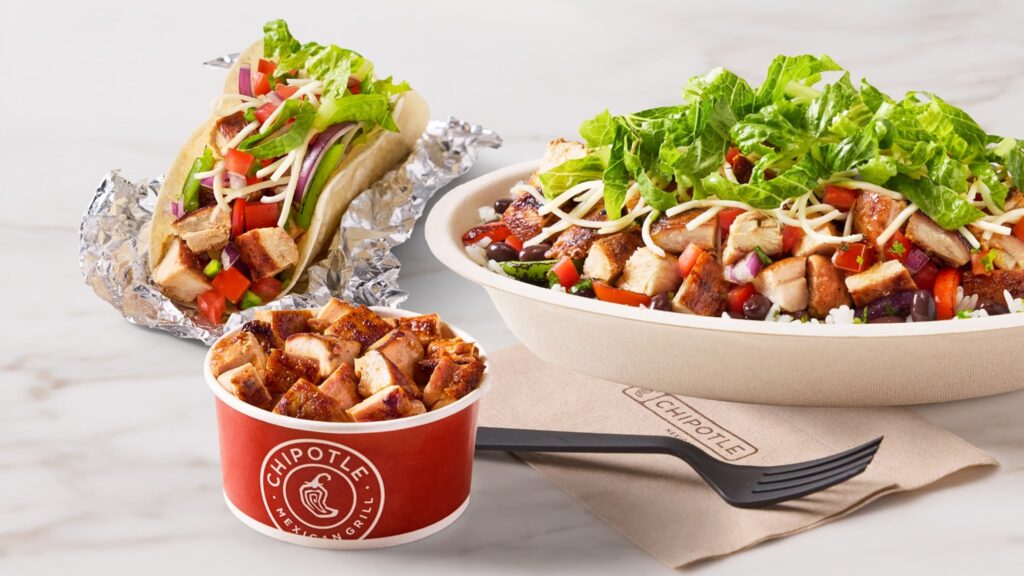
Betting on this is Chipotle, which unveiled its first High-Protein Menu in the US and Canada last month. Featuring bowls, burritos, tacos, snack cups and celebrity collaborations, several of the new items boast a high fibre content too.
Among these are two GLP-1-friendly dishes. The High Protein-High Fiber Bowl contains 46g of protein and 14g of fibre from chicken, brown rice, black beans, fajita vegetables, corn and tomato salsas, and lettuce. And the High Protein-Low Calorie Salad has 30g of protein and 10g of fibre, featuring chicken, supergreens, lettuce, fajita veggies, tomato salsa and guacamole.
In each option, the chicken can be swapped for Chipotle’s tofu-based Sofritas protein, which would increase the fibre content, although the protein content will likely be lowered.
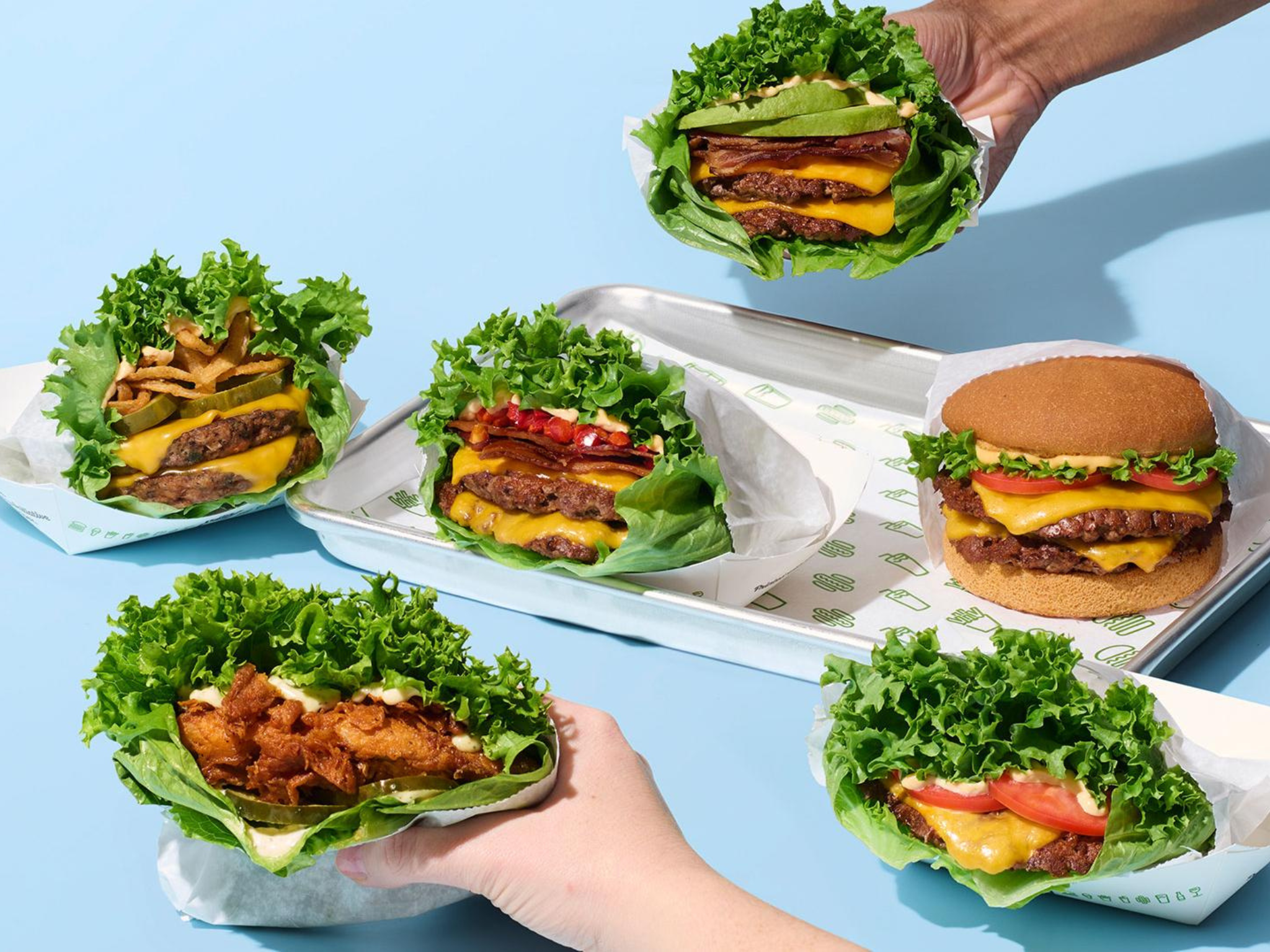
The same day Chipotle announced its High-Protein Menu, Shake Shack introduced its own Good Fit Menu with a range of options for vegetarians, gluten-intolerant diners, protein-seekers and GLP-1 users.
The limited-edition menu is dominated by lettuce-wrapped burgers, topping out at 52g of protein. It features a curated lineup of dishes and modifications from the chain’s existing menu, many of which can fit into the diets followed by people on medications like Ozempic.
The Double Veggie Shack Lettuce Wrap, for example, is a vegetarian option with 25g of protein. It features two patties made from mushrooms, sweet potatoes, carrots, farro and quinoa, topped with American cheese, crispy onions, pickles, and ShackSauce.
British supermarkets go big on GLP-1 with dedicated product lines
Across the Atlantic, a host of supermarkets have rolled out dedicated GLP-1 product ranges over the last month. Morrisons was the first, partnering with Applied Nutrition on a three-year deal to launch 53 products, including seven GLP-1-friendly ready meals.
These dishes have been launched under the Small & Balanced label, referring to the delivery of more balanced macronutrient content in smaller portions to aid satiety without compromising on flavour. These include a vegetarian bean and sweet potato shakshuka with 19g of protein and 13g of fibre.
“The growing use of GLP-1s has further driven demand for convenient, nutrient-dense options that support balanced eating,” said Lizzy Massey, director of Morrisons’s own-brand division.
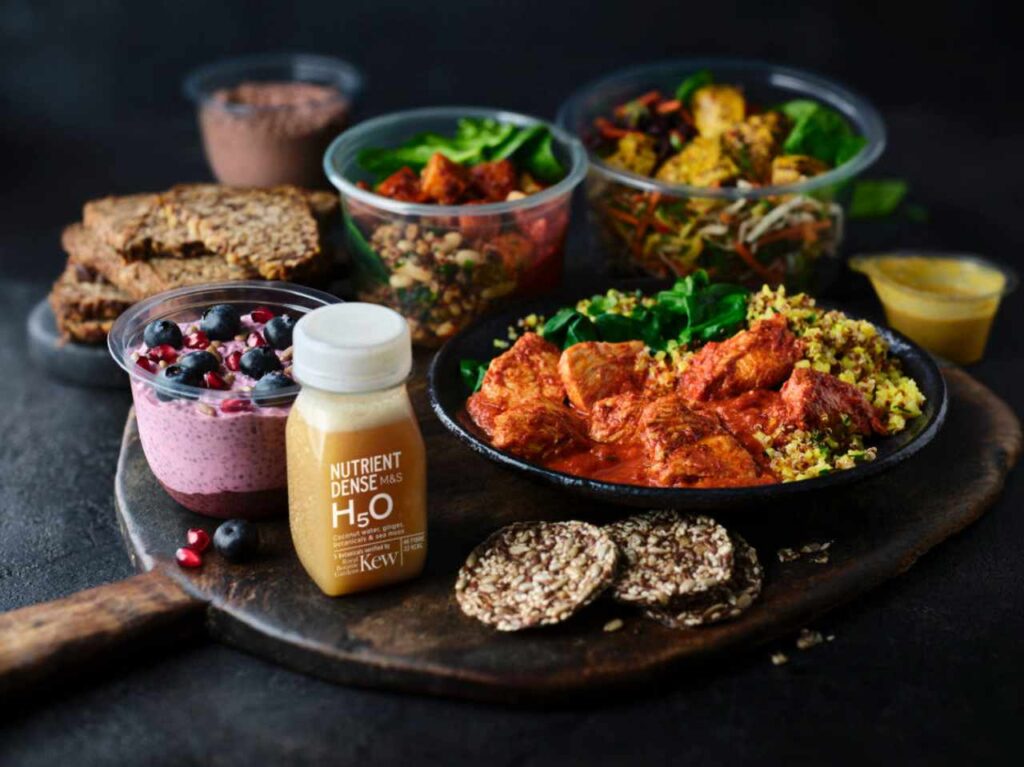
Shortly after, high-end retailer Marks & Spencer brought out its Nutrient Dense line of products, specifically targeting weight-loss drug users with high-fibre options. This includes salads, breads, yoghurt bowls and chicken dinners “perfectly portioned to contain high amounts of nutrients per calorie”.
Think a seeded oat bread with 7g each of fibre and protein per slice, a plant-based squash and grain salad with 13g of both fibre and protein, and a vegan cauliflower shawarma and five-bean hummus meal with 12g of fibre and 14.5g of protein.
“The Nutrient Dense range is so exciting and is also incredibly useful for anyone trying to hit their nutritional targets. It is also great if customers are reducing their food intake, such as people using the GLP-1 medications,” said Annette Peters, head of food innovation at M&S.
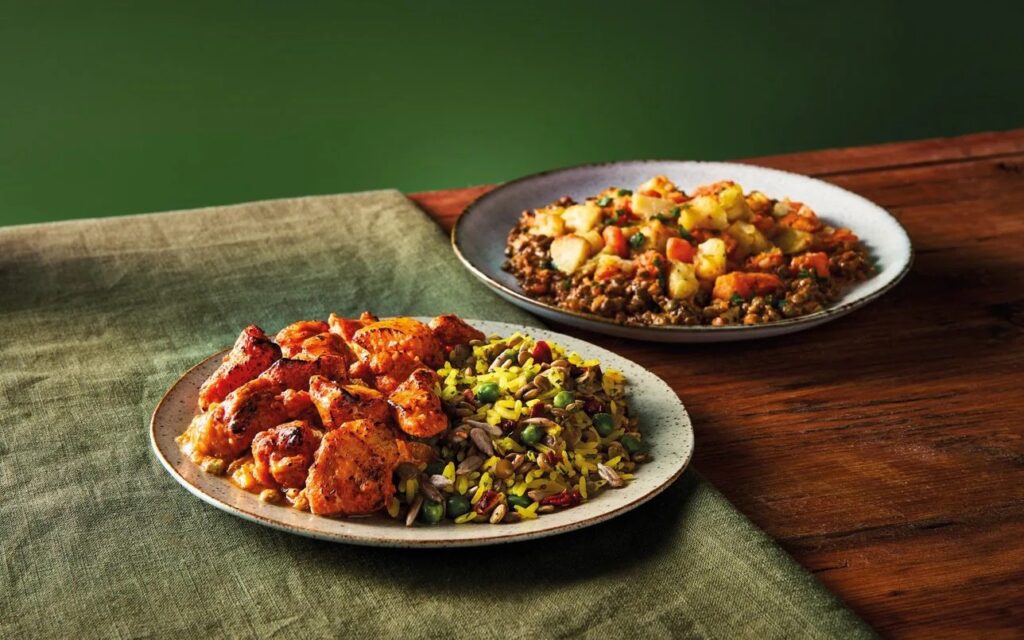
Finally, the Co-op will this week launch its Good Fuel line of mini-meals, specially developed for “shoppers with smaller appetites”. The four-strong lineup has one vegetarian option: a roasted butternut bowl with brown rice, barley, lentils, beans and chickpeas in a shakshuka sauce, which contains 12g of fibre and protein each.
“There is a growing need to cater for smaller appetites with meals that provide the quality without so much of the quantity,” said Nicole Tallant, retail trading director at the Co-op. “This whole new range is aimed at supporting shoppers’ wellbeing in a meaningful, accessible and convenient way.”
These new ranges, from fast-food chains in the US and supermarkets in the UK, are proof that the GLP-1 boom is blurring the line between food and health. “It’s raising the bar,” Catherine Hayden, CMO of Danone-owned Kate Farms (which has also dived into this category), told Green Queen in November. “GLP-1 users are more label-literate and science-minded, and that’s driving demand for clean, clinically backed, and effective nutrition.”