

New Proteins, Biomanufacturing & Green Energy: China Charts Path to 2030 in 15th Five-Year Plan

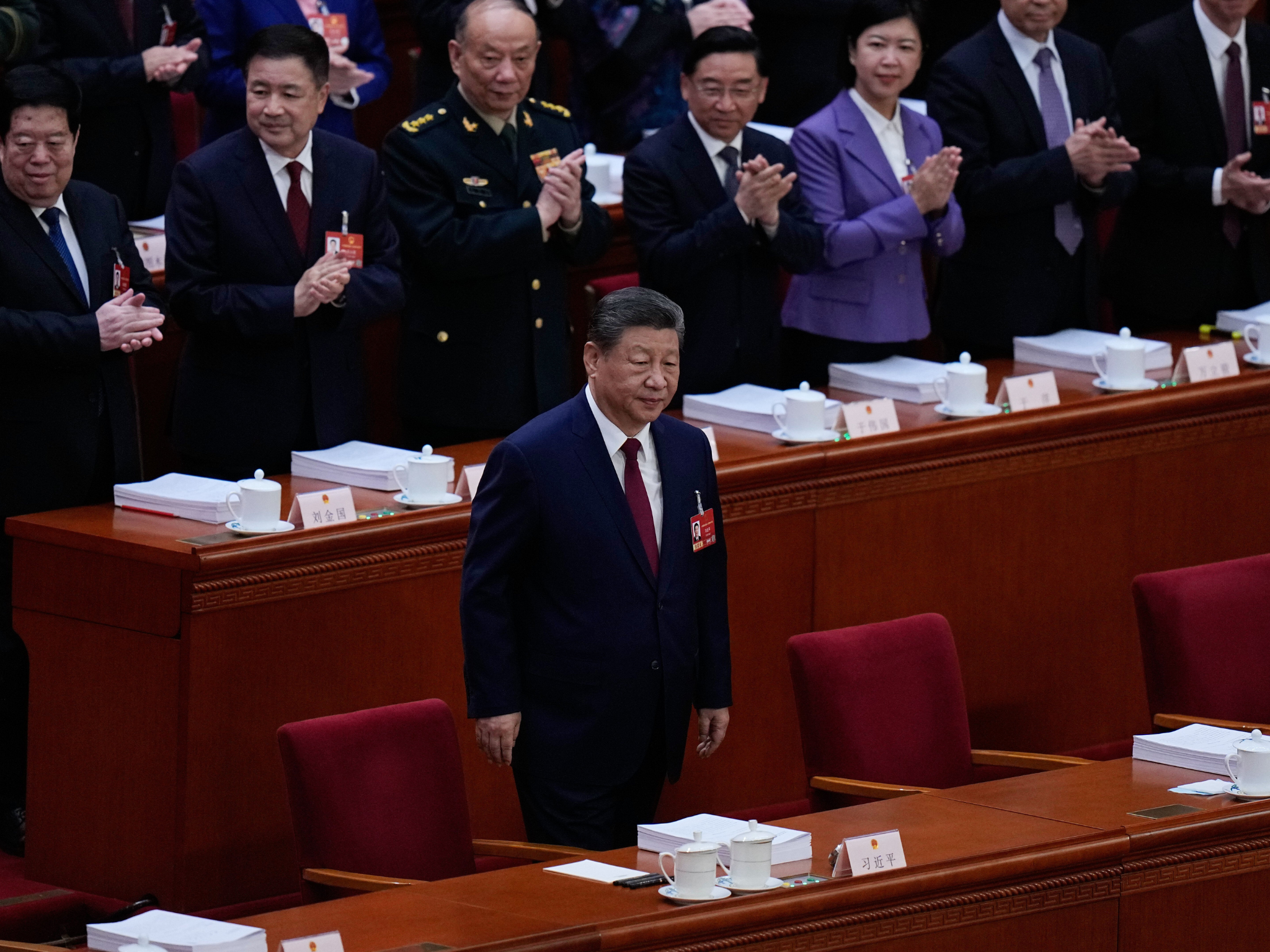
China has released a draft of its policy priorities under its 15th five-year plan for economic growth, with new protein sources and green energy a key part of its climate strategy.
At its ongoing Two Sessions summit, China’s policymakers have submitted a draft of the 15th five-year plan to the government’s top legislators.
The strategy covers the 2026-30 period and includes key policy goals for all major sectors of the economy, including energy, fossil fuels, agriculture, and even artificial intelligence (AI).
The document is set to be finalised by the end of the ongoing summit this Thursday (March 12), but the draft already provides a window into China’s outlook on climate-related industries like biomanufacturing, synthetic biology, green energy, electric mobility, and more.
China to include ‘new protein sources’ in food security strategy
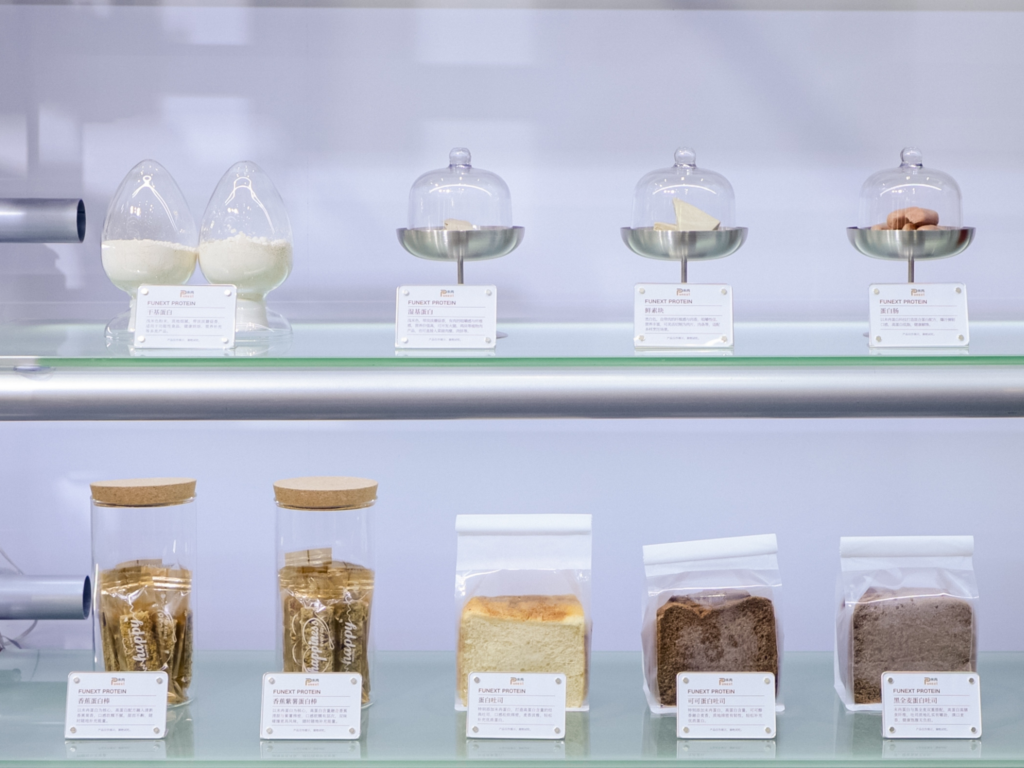
As part of its bid to lead the global shift to sustainable proteins and boost its own food sovereignty, China’s new five-year plan pays plenty of heed to food technology.
For instance, it aims to expand domestic grain production to 725 million tonnes a year by leaning on new technologies, seed innovation and soil protection rather than expanding what is already a limited area of farmland.
In terms of seed innovation, China plans to grow high-yield, stress-resistant, widely adaptable crop varieties, advance AI-led digital upgrades, and adopt biotech-derived cultivation techniques, which include gene-edited and genetically modified crops.
The East Asian nation still relies heavily on imports of certain foodstuffs, including soybeans, whose genetically modified versions have started being commercialised by China in recent years.
To further reduce import dependence, China says it plans to build a “diversified food supply system” and implement its Big Food Concept, a strategy that focuses on producing food from sources beyond traditional systems like farms and livestock – think microbes, oceans, forests, and grasslands.
In that vein, the draft document outlines a goal to “develop modern facility agriculture, advance deep-sea aquaculture, and develop forest-based food resources”, and “actively develop synthetic biology technologies and expand new protein sources”.
China also aims to “promote the development of the biomanufacturing industry, build key technology and raw material platforms, strengthen R&D and applications in areas such as microbial proteins and functional food ingredients, and drive the transformation and upgrading of traditional industries, serving food security and the construction of new protein supply systems”.
Further, the government plans to “support enterprises in carrying out industrialisation and application of new proteins and functional foods” and “include new protein sources in the national food security strategy”.
China bets on green energy to peak emissions
China is a world leader in the green energy and mobility sectors, and it’s reinforcing this with an intention to peak its carbon emissions by 2030.
The government will aim to cut carbon intensity by 17% (slightly below the 18% target from the previous plan), although emissions can still rise with economic growth. Over the last five years, actual carbon intensity fell by 12%.
The document outlines the target for coal consumption to peak by 2030, though there isn’t a set timeline for this yet, and the previous language to “gradually reduce” coal has been dropped.
That said, the country is aiming to increase the share of non-fossil energy to 25% (up from 21% in 2025), as part of a wider goal to double the share of green energy sources over the next decade.
According to Carbon Brief, clean energy drove more than a third of the country’s GDP growth in 2025. “China’s clean-technology development – rather than traditional administrative climate controls – is increasingly becoming the primary driver of emissions reduction,” says Li Shuo, director of the Asia Society Policy Institute’s China climate hub, told the publication.
Aside from the energy sector, decarbonising the food industry is critical for China’s climate goals. Experts suggest that half of its protein consumption must come from sustainable alternatives. And a spate of new facilities – backed by both public and private investment – goes to show that the country is serious about its future food sector.
The draft for the 15th five-year plan doubles down on this. “By mastering the art of making protein from plants, microorganisms, and cultivated animal cells, China can produce a whole lot more of it and bolster national self-sufficiency,” the Good Food Institute APAC wrote in a LinkedIn post this month, adding that this message will be front and centre of the Two Sessions summit.