

EU Climate Advisers: Eat Less Meat, Redirect Subsidies & Tax Farm Emissions

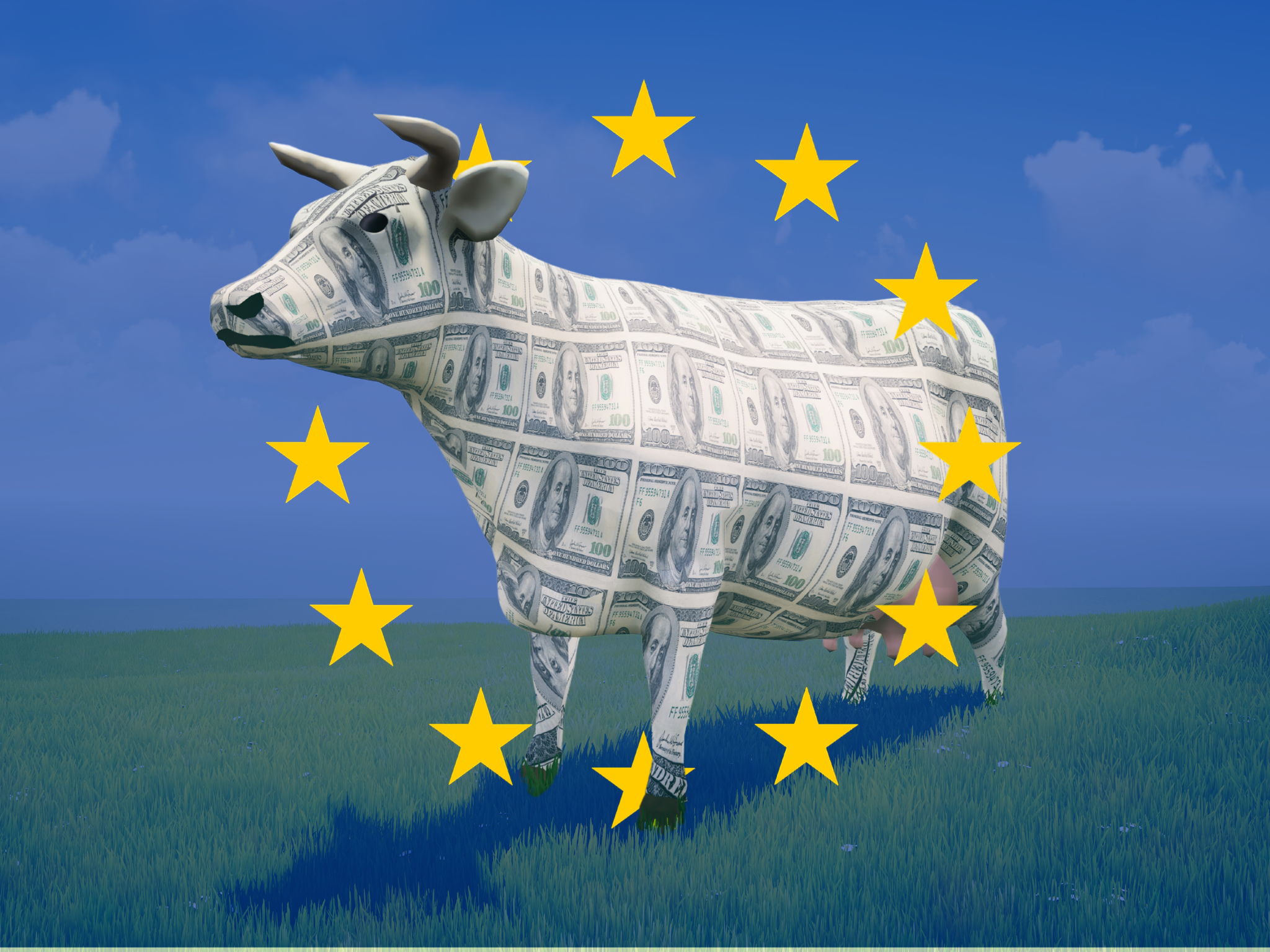
The EU’s scientific advisory board has outlined critical measures to curb agricultural emissions and meet its climate goals, including the removal of livestock subsidies and encouraging plant-based diets.
A shift from meat-heavy diets to those rich in plants is critical for the EU to achieve its climate ambitions, alongside a tax on farm pollution and the elimination of subsidies that promote planet-harming livestock agriculture.
This is the consensus of a new report by the European Scientific Advisory Board on Climate Change, an influential independent body tasked with guiding the bloc’s climate policy.
The document, which spans nearly 360 pages, calls on the EU to boost climate adaptation, lower greenhouse gas emissions across the agrifood system, and protect farmers’ livelihoods.
The focus on food comes as the industry accounts for a third of the region’s emissions. Animal agriculture, in particular, causes 81-86% of the EU’s food-related greenhouse gas emissions, even though it only supplies 32% of its calories and 64% of its protein intake.
“EU diets are on average too low in healthy, plant-based foods and too high in red meat and ultra-processed foods,” the report states. “This is driving both greenhouse gas emissions and a rise in non-communicable diseases and obesity.
Scientists call on EU to reform CAP subsidies and introduce carbon tax
The scientists point out that the next few years will shape the policy framework around the EU’s agrifood system for the coming decade, with proposals over the next budget and common agriculture policy (CAP) already under consideration.
It’s against that backdrop that the report provides science-based policy advice to climate-proof the bloc’s agrifood system, arguing that environmental action must align with food security, health objectives, and a fair standard of living for farmers.
One of the report’s chief recommendations is the removal of CAP payments from emissions-intensive practices and the introduction of alternatives to support farmer incomes in the long term.
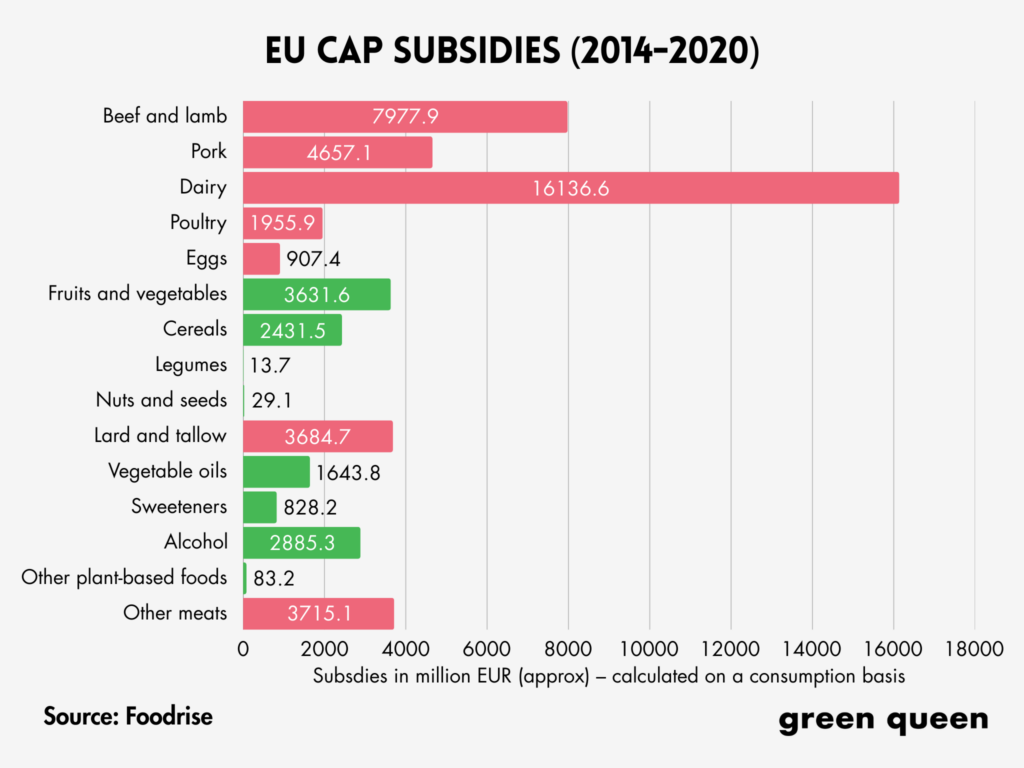
A recent analysis found that subsidies for animal agriculture made up nearly a quarter (23%) of the EU’s total budget of €168.7M in 2020. In fact, meat and dairy accounted for 77% of all CAP subsidies (€50.6B) that year, over three times more than plant-based food (€11.6B).
The EU should, therefore, phase out payments for livestock and drained peatlands in a phased manner, the report said, echoing the calls of many scientists, as well as the World Bank.
The bloc should also provide targeted financial support for farmers to ensure a just transition away from planet-harming activities, and reallocate CAP subsidies towards climate action. The latter would require changes to the current proposal for the next CAP, which is set to decrease the budget for tackling the climate crisis.
Additionally, the advisory board recommends introducing a greenhouse gas pricing mechanism for agriculture, applying the polluter pays principle and following the precedent of the Emissions Trading System that has halved power plant and industry emissions over the last 20 years.
It suggests that this carbon pricing should comprise three separate systems, spanning energy-related farm emissions, pollution from non-carbon gases like methane, and agricultural emissions and CO2 removals from land.
The report cites the example of Denmark, the world’s first country to legislate a carbon tax on livestock farming, which is set to come into effect in 2030 after being approved through a tripartite green deal. It would see each cow be taxed around $100 annually.
Meat taxes aren’t a new idea, but they’re notoriously hard to implement. That said, a University of Oxford study found that charging full VAT on meat and dairy and zero-rating fruits and vegetables could lower Europe’s climate change costs by $12B due to lower emissions and healthcare costs by $26B.
EU should promote plant-based and alternative proteins
One of the other headline recommendations from EU scientists is to establish an overarching food policy framework that” promotes healthy, climate-friendly diets and reduces food waste across the value chain”. Essentially, they’re advocating for a shift towards a plant-rich food system.
This echoes calls from health experts, nutritionists and climate scientists across the world. Perhaps most famously, the Eat-Lancet Commission recommends eating in a predominantly plant-based manner in its Planetary Health Diet to ensure a healthy public and planet.
“A shift towards diets with lower levels of livestock consumption can enhance adaptation by reducing pressure on water and land resources, increasing resilience in food supply chains and supporting diversified agricultural systems better suited to changing climate conditions,” the advisory board writes.
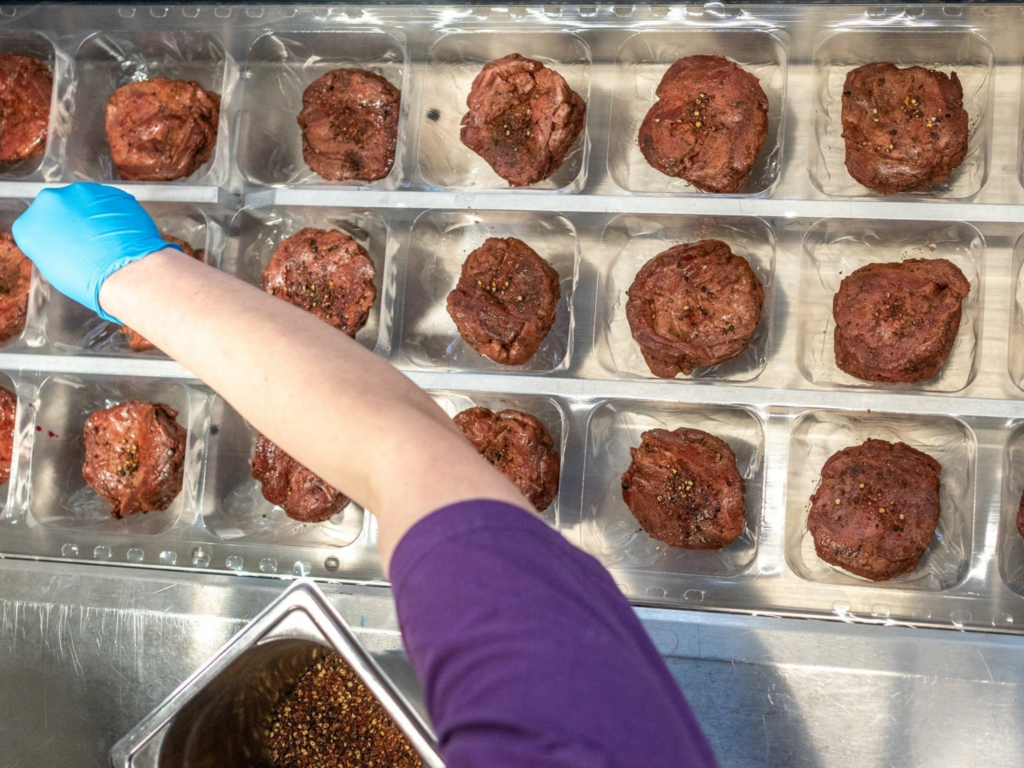
The scientists further nod to the potential of novel foods like fermentation-derived proteins and cultivated meat. “Alternative proteins could reach cost parity with processed animal products, and displace two-thirds of animal products consumed in Europe by 2050. The cultivation of legumes for novel plant-based alternatives can contribute to other mitigation-focused options, such as improved nutrient management,” the report reads.
It adds that these proteins could “potentially be a game changer that lowers food prices substantially”, an outcome that could be accelerated with further R&D support: “Additional funding could be channelled through the increased budget for clean technologies proposed under the Horizon Europe programme in the Commission’s 2028–2034 Multiannual Financial Framework.”
Plus, policymakers should set up an EU-wide methodology to guide member states in developing science-based national dietary guidelines that incorporate sustainability, as is the case with countries like the Netherlands and Finland.
Whether these recommendations will actually end up as policies remains to be seen. The EU has a history of giving in to lobby pressure and flip-flopping on its own proposals when it comes to green policies, the most glaring example being the abandoned Farm to Fork strategy.
However, Ottmar Edenhofer, chair of the advisory board, said the scale and pace of food-related emission reductions has not been enough to achieve the EU’s climate targets: “The sector will need to step up action in the years ahead – to help achieve climate neutrality and to protect farmers’ livelihoods, support rural communities, and secure Europe’s food supply as the climate continues to change.”