

From Nut Butter Cups to Popcorn, Europe Embraces Foreverland’s Cocoa-Free Chocolate

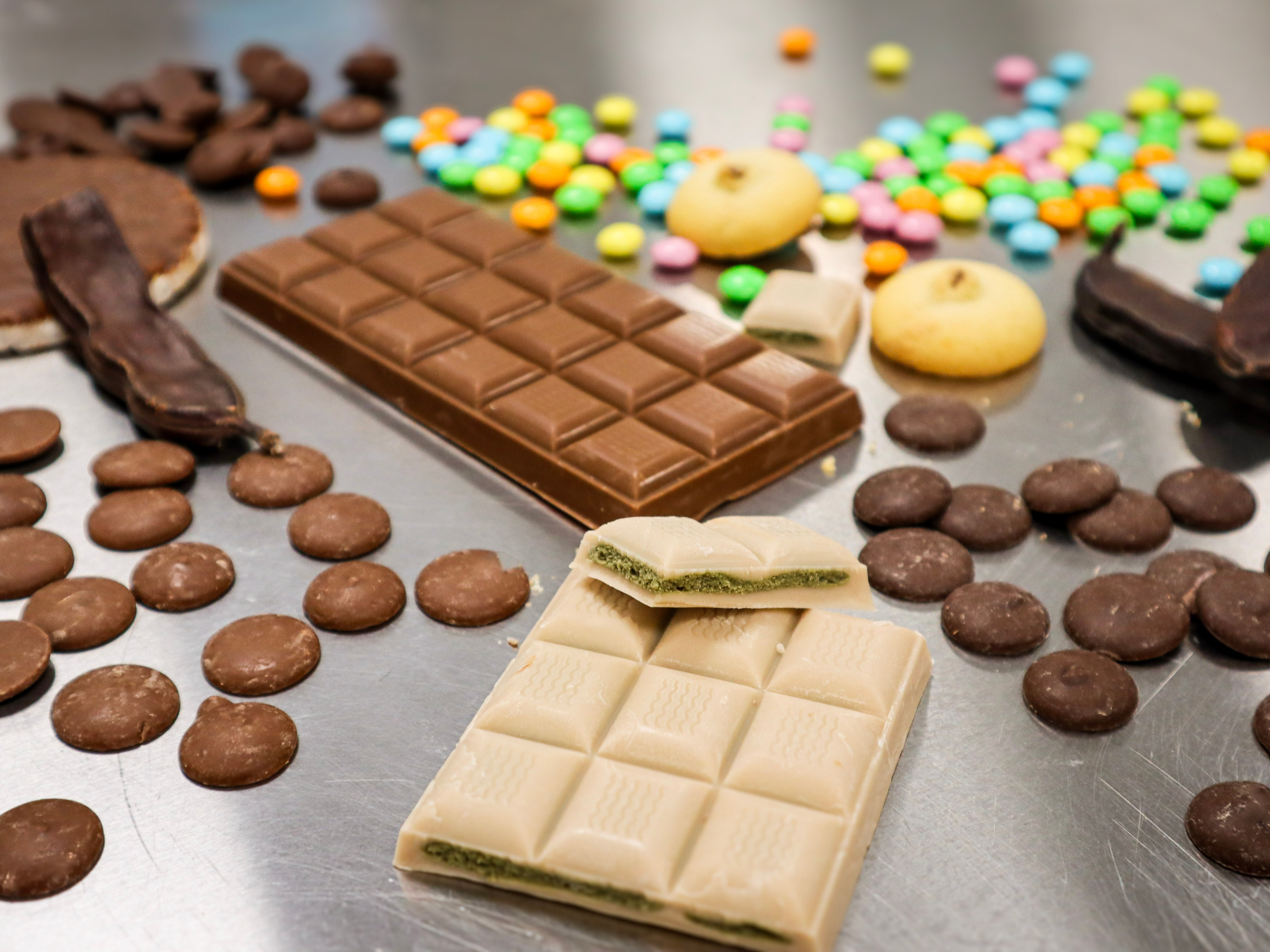
Italian food tech startup Foreverland has expanded the availability of its cocoa-free chocolate, Choruba, through partnerships with some of Europe’s leading confectionery manufacturers.
Months after opening its first production facility, Puglia-based Foreverland is enlarging the footprint of its cocoa-free chocolate across Europe.
The Italian firm makes a line of carob-based chocolate alternatives called Choruba, and has struck partnerships with several established confectionery producers on the continent to expand the range of Choruba-led products available to private-label, retail and promotional markets.
“These partnerships reflect growing interest in cocoa-free chocolate as manufacturers respond to supply chain volatility and rising cocoa prices,” said Foreverland CEO Massimo Sabatini, nodding to the climate-change-induced frailties of the chocolate industry.
“By working closely with established confectionery companies, our focus is on building long-term solutions that strengthen resilience, sustainability and commercial continuity across the value chain,” he added.
Choruba appears in coins, popcorn, pralines, and more
Foreverland’s carob-based chocolates will form the base of pistachio and peanut butter cups by Slovenia’s Incom Leone. These will be available in conventional and high-protein formats, and combine functional nutrition with indulgent flavours to appeal to mainstream and health-conscious consumers alike.
“By using sustainable alternative ingredients, we address some of the food industry’s most pressing challenges – from supply chain resilience to climate change – while opening up new possibilities for consumers who love discovering new flavours and are seeking modern alternatives to traditional chocolate products,” said Iris Kavčič, brand manager for chocolate at Incom Group.
With Walcor, a veteran chocolate producer from Italy, Foreverland has developed a chocolate coin made entirely with Choruba Milk, its cocoa-free milk chocolate. This is intended for large-scale private-label, promotional and licensed confectionery markets, and has been nominated for the New Product Showcase Award at ISM Cologne (February 1-4).
Fellow Italian confectionery giant Maxtris is launching two products with Choruba Milk. It will use the carob-based alternative for peanut dragées, which will combine Choruba-coated peanuts with a crunchy candy shell. The innovation will also be used in a chocolate-coated popcorn offering.
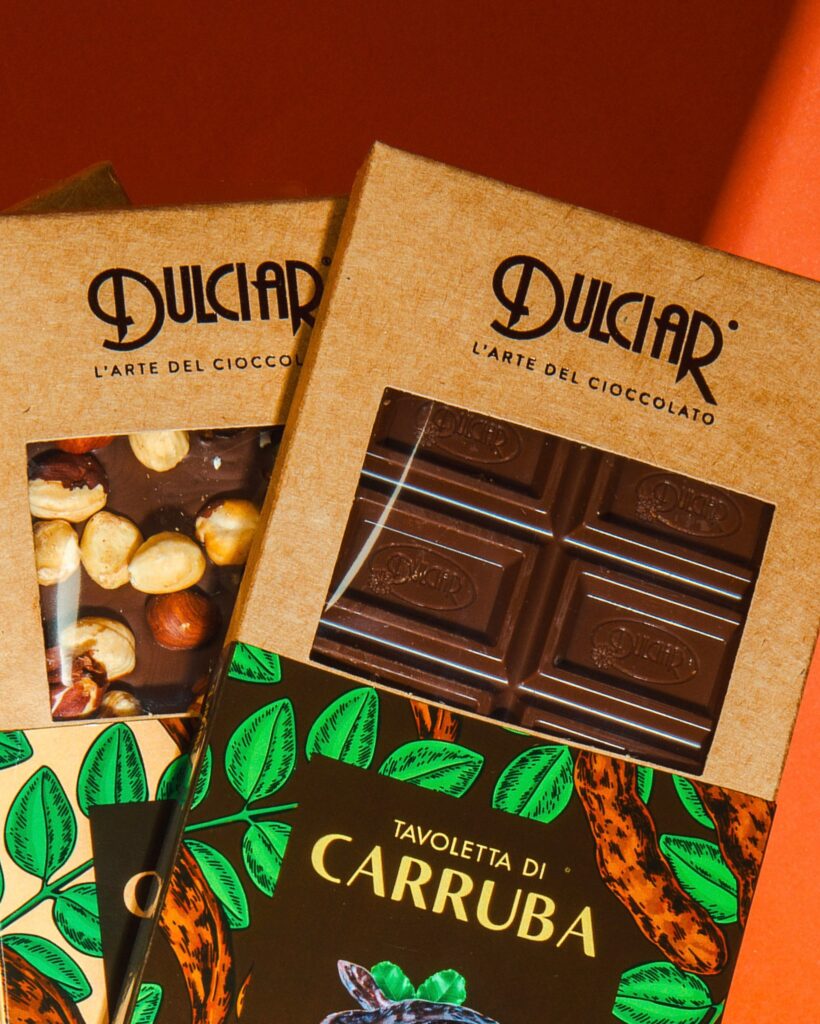
Finally, Bari-based chocolatier Dulciar has introduced a range of bars and pralines made from Choruba. The ingredient’s versatility allows the company to explore multiple formats, recipes and compositions, and develop tailored solutions for different product positionings. The two companies have previously collaborated on a chocolate Easter egg.
Foreverland alleviates chocolate’s climate conundrum
Several of these products have already entered commercial channels, and some will be on retail shelves or accessible to private-label products across Europe and internationally soon.
It’s a way for chocolate producers to sail through the headwinds of the cocoa industry and lower their emissions at the same time. Scientists have warned that a third of the world’s cocoa trees could die out by 2050, and climate shocks have pushed cocoa stocks to their lowest levels in a decade, driving prices to all-time highs.
Extreme weather and crop diseases are hitting plantations hardest in the Ivory Coast and Ghana, the two largest producers of cocoa, which have already lost over 85% of their forest cover since 1960.
The industry itself is a major food-related driver of climate change. Producing chocolate emits more greenhouse gases than any other food except beef, and is linked to widespread deforestation. Additionally, making a single bar requires 1,700 litres of water on average.
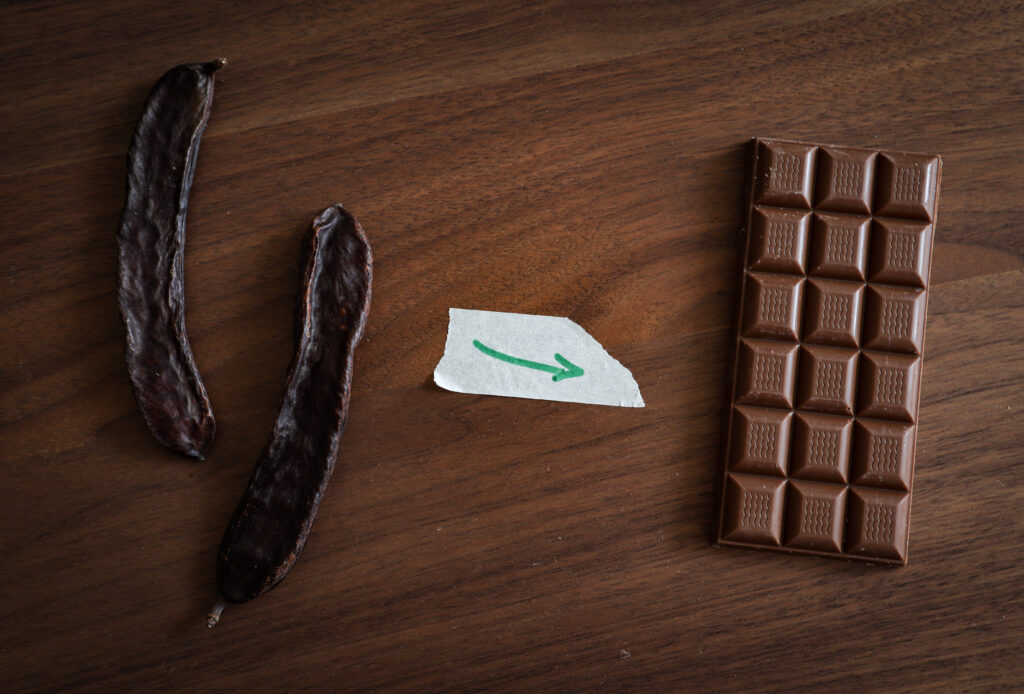
Foreverland leverages carob as a sustainable alternative. Globally, 90% of the carob fruit is discarded, with only the seeds used for locust bean gum. The Italian firm upcycles the byproduct and blends it with pumpkin seeds and chickpeas to make Choruba, which lowers water consumption by 90% and emissions by 83% compared to conventional dark chocolate.
In 2024, the company raised €3.4M ($3.8M) in seed funding to expand its capacity, leading to the opening of a full-scale manufacturing plant a year later, which can churn out 500 tonnes of its cocoa-free chocolate every year.
The startup’s product range includes milk, semi-dark, white and vegan chocolate, a cocoa-free powder, bake-stable chocolate drops, and a soon-to-launch spreadable cream. Choruba has been featured in Easter eggs, pralines, panettone, chocolate-covered almonds, and yeast protein bars.
Foreverland was also one of three cocoa-free innovators to win the New Chocolate Challenge by Bühler Group, which will help the firm further scale and commercialise its ingredient. Others in this space include Planet A Foods, Green Spot Technologies, Win-Win, Kawa Project, Voyage Foods, and more.