

Happy Plant Protein to Deploy Extrustion Tech at $7M Industrial-Scale Facility in Latvia

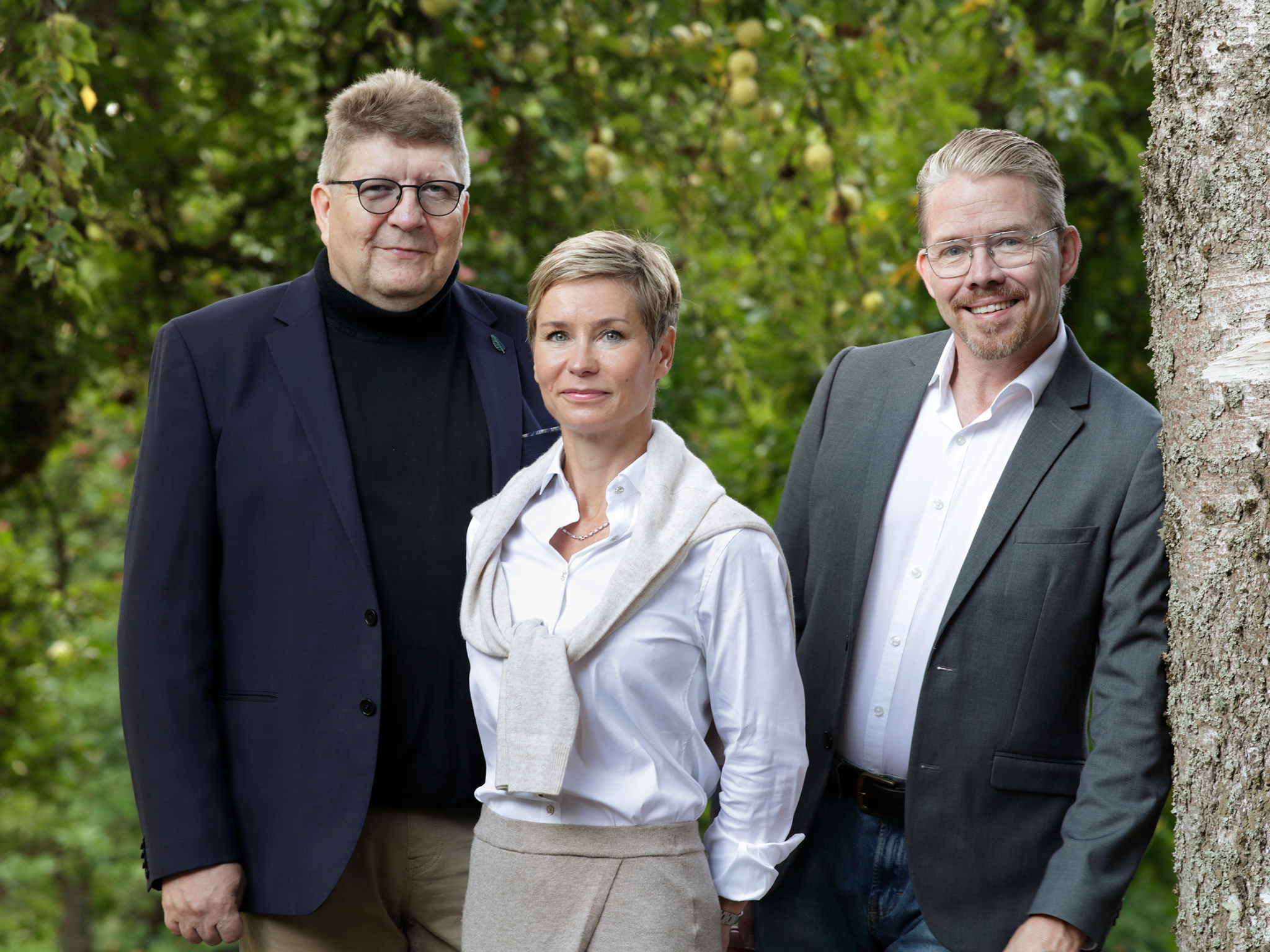
Finnish food tech startup Happy Plant Protein will deploy its dry extrusion technology in a first-of-its-kind facility in Latvia to process locally grown crops into high-value proteins.
Helsinki-based firm Happy Plant Protein is taking its patented extrusion process to an industrial scale by deploying its technology in an upcoming plant protein production facility in Latvia.
The site, which will process local crops into high-value protein ingredients, is said to be the first of its kind in both Latvia and Europe, and marks the first industrial deployment of Happy Plant Protein’s tech.
The project represents a greenfield investment of around €6M ($7M), much lower than traditional plant protein isolate facilities, which can require up to €150M ($175M) in capital.
The financing is partly supported by the EU, and the construction is set to take a year. Production is expected to begin in early 2027, with a capacity to churn out around 5,000 tonnes of protein ingredients annually.
The plant is being built by Agrofirma Lobe, which has also invested in the project and will establish a dedicated entity for it. “Our ambition is to make plant protein production more accessible and more local, ensuring that more value remains closer to the raw material producers,” said Raivo Dzilna, chairman of Agrofirma Lobe.
Happy Plant Protein licenses extrusion tech for new facility
Founded in 2024 as a spinout of the VTT Technical Research Centre of Finland, Happy Plant Protein leverages a one-step extrusion process to tackle the bitter and beany off-flavours found in traditional plant protein isolates.
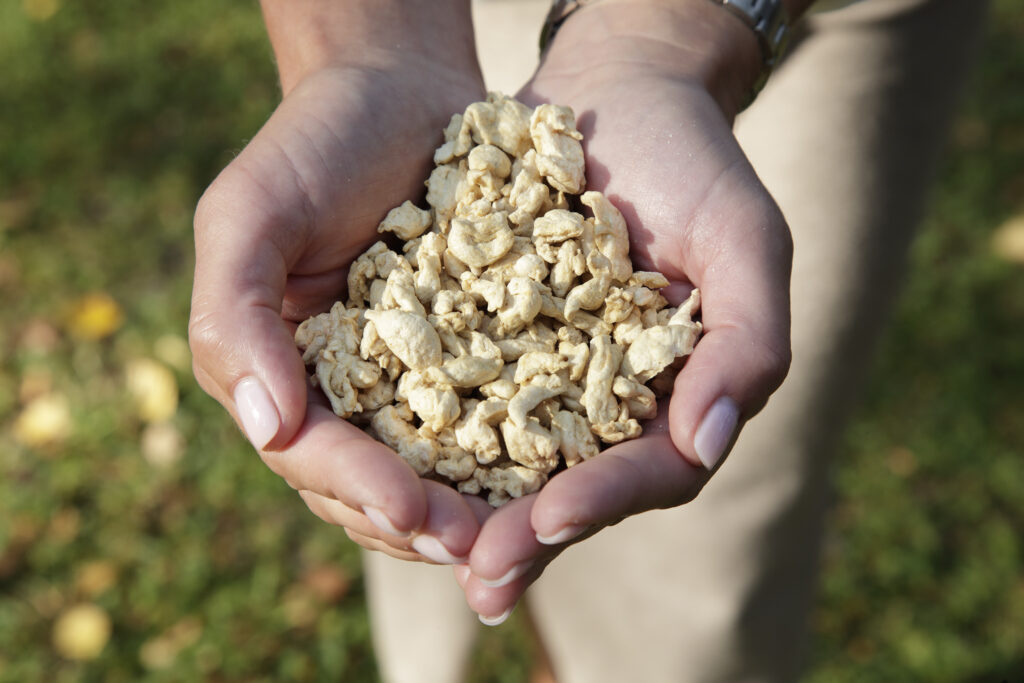
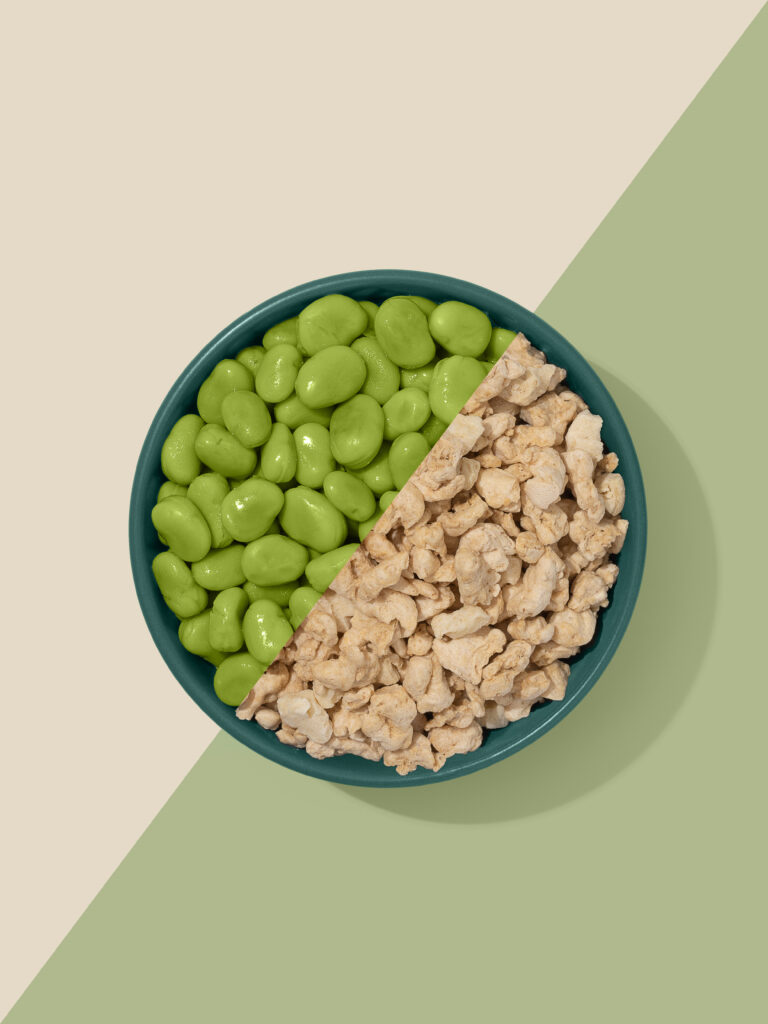
It converts legume flour directly into textured protein through dry extrusion under heat and pressure, with minimal water and energy use and no isolates, chemicals, or waste. The process is compatible with a wide range of legumes and cereals, and can be integrated into existing manufacturing setups with minimal investment.
The texture, bite and functionality of its ingredients can be adjusted directly during extrusion, allowing manufacturers to tailor the protein to their specific product requirements, from firm, meat-like structures to softer, more porous formats. So by simplifying the textured vegetable protein (TVP) production process, Happy Plant Protein says it can unlock a new wave of plant-based and blended proteins.
It is now deploying this at industrial levels through the Latvia plant, which will process crops like fava beans, oats and peas using primarily Latvian and Baltic raw materials, and sell them to customers across Europe.
The startup will license its extrusion tech and optimise raw materials to ensure consistent, high-quality protein output, while Agrofirma Lobe will lead the investment and operate the facility using Happy Plant Protein’s system.
“This is a significant milestone for us, demonstrating that our technology works at industrial scale and creates value directly at the level of primary production. Its greatest advantage is simplicity,” said Jari Karlsson, co-founder and CEO of Happy Plant Protein.
Plant protein project will open up new revenue streams for farmers
The facility is a “significant step” towards bringing protein production closer to primary agriculture in the Baltics and establishes industrial-scale plant protein manufacturing in Latvia for the first time.
In addition, it introduces a simpler, more scalable manufacturing model for the food industry, and demonstrates how decentralised, crop-based protein production can be implemented across agricultural regions in Europe.
Happy Plant Protein suggests that its model enables shorter, more resilient supply chains, creates new revenue streams for farmers, and strengthens local value creation at the source.
“By enabling protein production directly from locally grown crops, we help agricultural producers move up the value chain – from low-margin raw materials to higher-value food ingredients. This creates new revenue opportunities for farmers while also strengthening regional protein self-sufficiency and reducing reliance on imported protein ingredients,” said Dzilna.
“We produce textured vegetable protein directly from flour in a one-step process, making it both cost-efficient and sustainable. This opens up new opportunities for mills, farms, and co-operatives,” noted Happy Plant Protein’s Karlsson.
“The end product, TVP, is a key ingredient for food industry R&D, enabling the development of new, delicious, and healthier plant-based and hybrid food products for consumers.”
Last year, the startup unveiled a TVP offering made from fava beans. It contains 61g of protein and 9g of fibre per 100g, and can boost the structure and overall composition of vegan meat alternatives, blended proteins, ready meals, snacks, and more.