

German Startup Innocent Meat Nabs $7M to Launch Cultivated Proteins by 2028

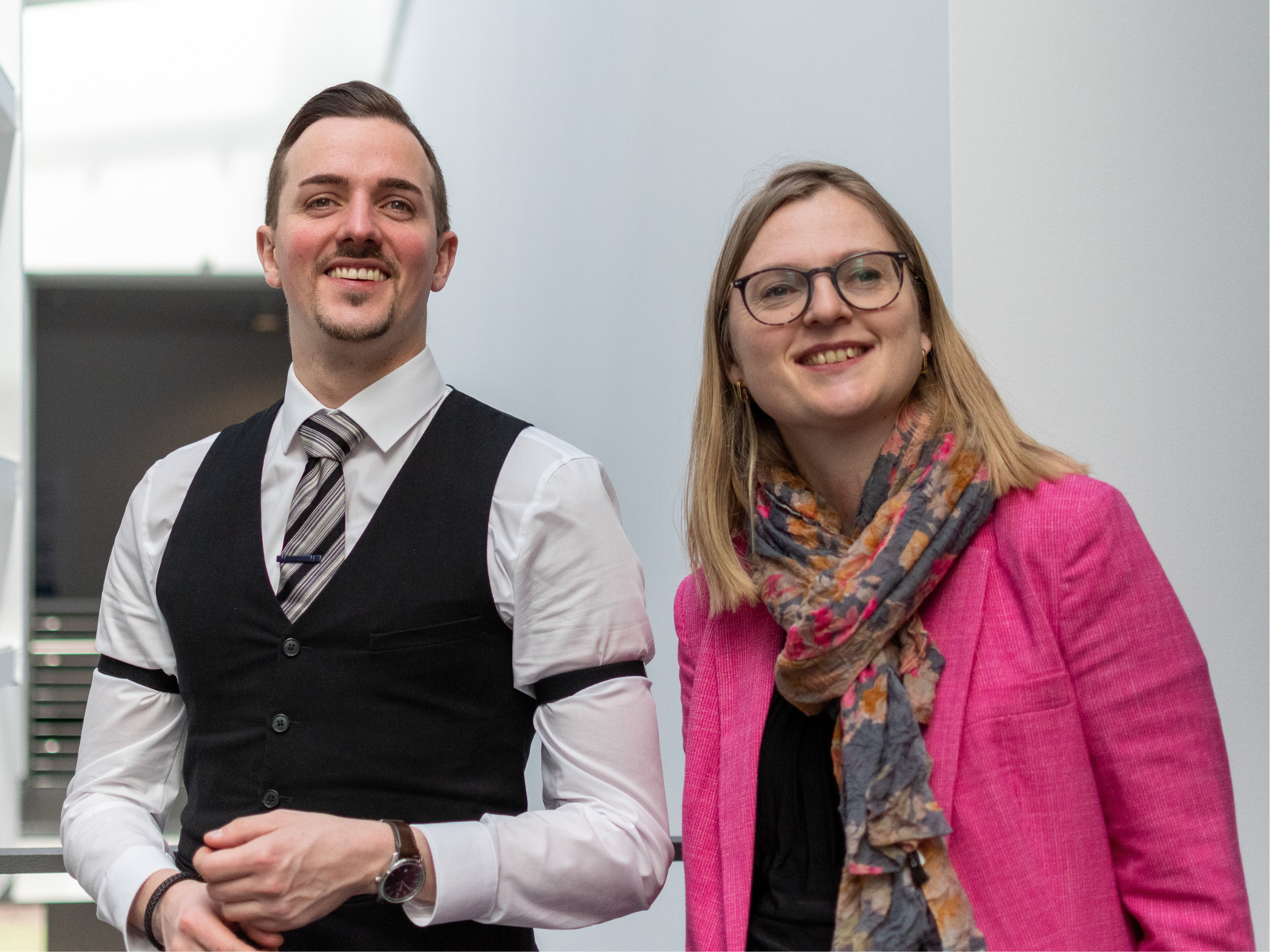
German cultivated protein startup Innocent Meat has raised €6M ($7M) to scale up and obtain regulatory approval for its products, which it aims to bring to market in 2028.
Innocent Meat, a German firm producing a range of cultivated proteins, has secured €6M ($7M) in new funding to shore up its commercialisation efforts.
The investment round included participation from existing investor Genius Venture Capital, and will help the startup scale up production with the construction of its first demo facility and target regulatory approval ahead of launch.
“I am very grateful for the trust of our investors and partners – and proud of the team that works every day with competence, tenacity and conviction on this future,” said co-founder and CEO Laura Gertenbach. “The path is challenging. But the goal is worth it.”
An automated production system for the meat industry
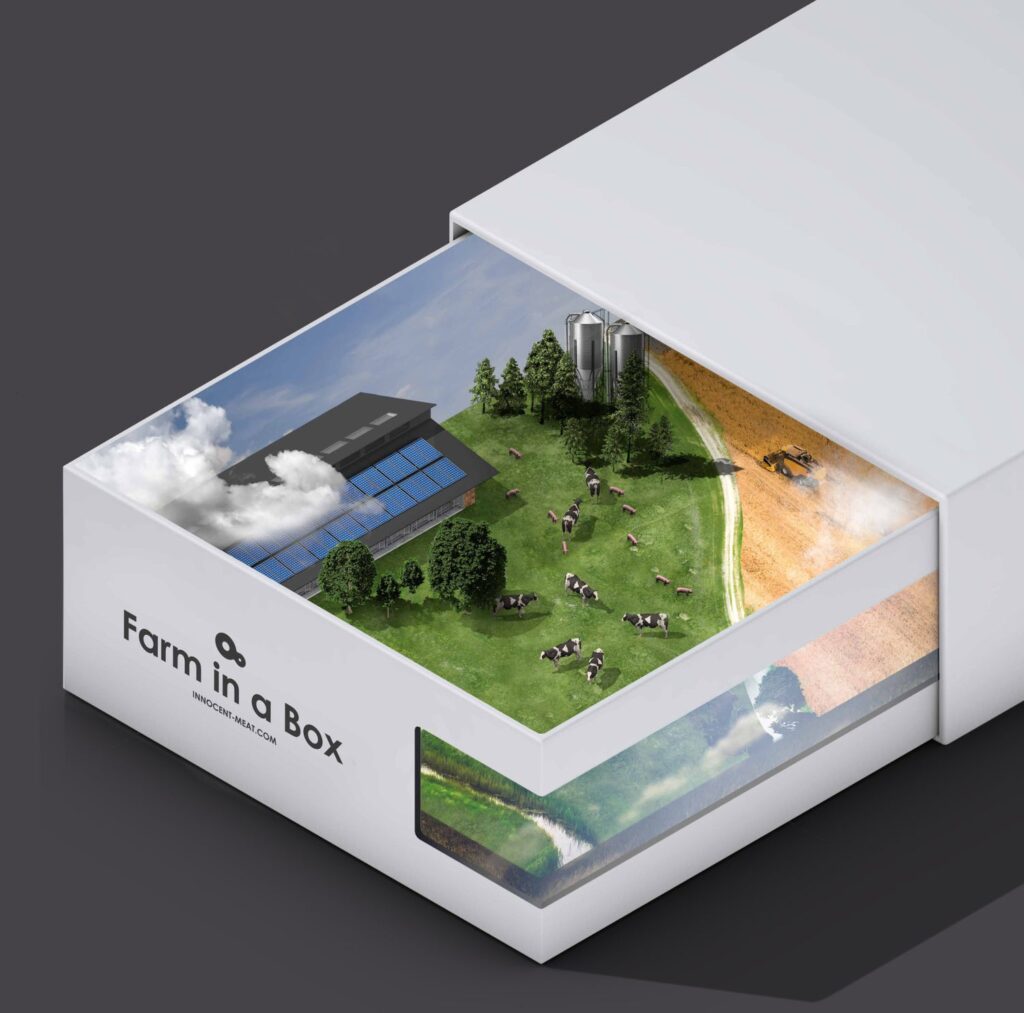
Gertenbach founded Innocent Meat in 2020 with CTO Patrick Inomoto, working on establishing an automated manufacturing technology for the industrial production of cultivated meat. Its main clientele are conventional meat producers, who can supplement or even gradually replace their animal proteins without building their own know-how or R&D resources.
“When we started in 2020, our vision was clear: to produce real meat, with significantly lower resource consumption, and without meat processors having to become biotechnology experts themselves,” Gertenbach said.
“Today, we are working on a highly automated, scalable manufacturing technology that makes exactly this possible – from the cell to the meat product.”
Innocent Meat says its “holistic” production technology covers the entire process chain, from the introduction of animal cells, to their differentiation and growth using nutrient media, and through to their transformation into meat.
The startup’s plant engineering relies almost entirely on established solutions, and its manufacturing process is designed to be highly automated at its client’s site using software. This eliminates the need for companies to develop the necessary expertise or maintain the required resources.
“We are increasingly receiving very constructive feedback from the traditional meat industry,” said Gertenbach, as quoted by the Federal Association for Alternative Protein Sources (BALPro). “Many processors see our technology as a realistic way to gradually supplement their existing business model and develop it in a sustainable way.”
Innocent Meat targets 2028 market entry
Like many cultivated meat startups, Innocent Meat uses artificial intelligence (AI) to streamline its technology. It suggests that one AI-equipped bioreactor requires just six square metres of space and can produce roughly a tonne of cultivated minced pork each week (the equivalent of around 30 pigs).
It describes its production system as a “plug-and-produce” solution that can be scaled in size and output volume at any time. This comprises bioreactors and cell media filtration systems, as well as all the bio-ingredients needed for the process.
“We are delighted by the trust and strategic vision of our investors,” Gertenbach said of the latest raise. “With this financing and further funding, we will be able to build our first demonstration plant for potential customers. We will also develop a scalable production infrastructure for our growth drivers and secure regulatory approvals in our initial target markets. We plan to enter the market in 2028.”
Besides its cultivated meat platform, Innocent Meat has set up Faba.Bio, a production platform for recombinant proteins, with the University of Rostock, where the startup is located. Through this division, it’s selling growth factors for cultivated meat and regenerative medicine applications.
“We supported Innocent Meat early on with capital and expertise. The increasing interest from investors and meat processing companies in new technologies is welcome and confirms our initial investment decision,” said Uwe Bräuer, managing director of Genius Venture Capital.
Innocent Meat’s funding round has bucked the investment trend for cultivated meat, financing for which has dwindled over the last few years. Startups in this category raised $139M in funding in 2024, a 40% decline from the previous year, and things fell even further last year, with the sector only attracting $36M in the first nine months.
Alluding to this, Bräuer called for improved funding structures for cultivated protein. “Companies like Innocent Meat, which initiate such radical and disruptive innovations and can thus renew or transform entire industries, need significant financial support in the startup phase,” he said.
“Regional funding structures and financing instruments must be much better aligned with the needs and capabilities of young technology companies. Only then will it be possible for them to mobilise sufficient private capital.”