

NZ Startup Secures Funding to Boost Food Security with Lab-Grown Fruits & Nuts

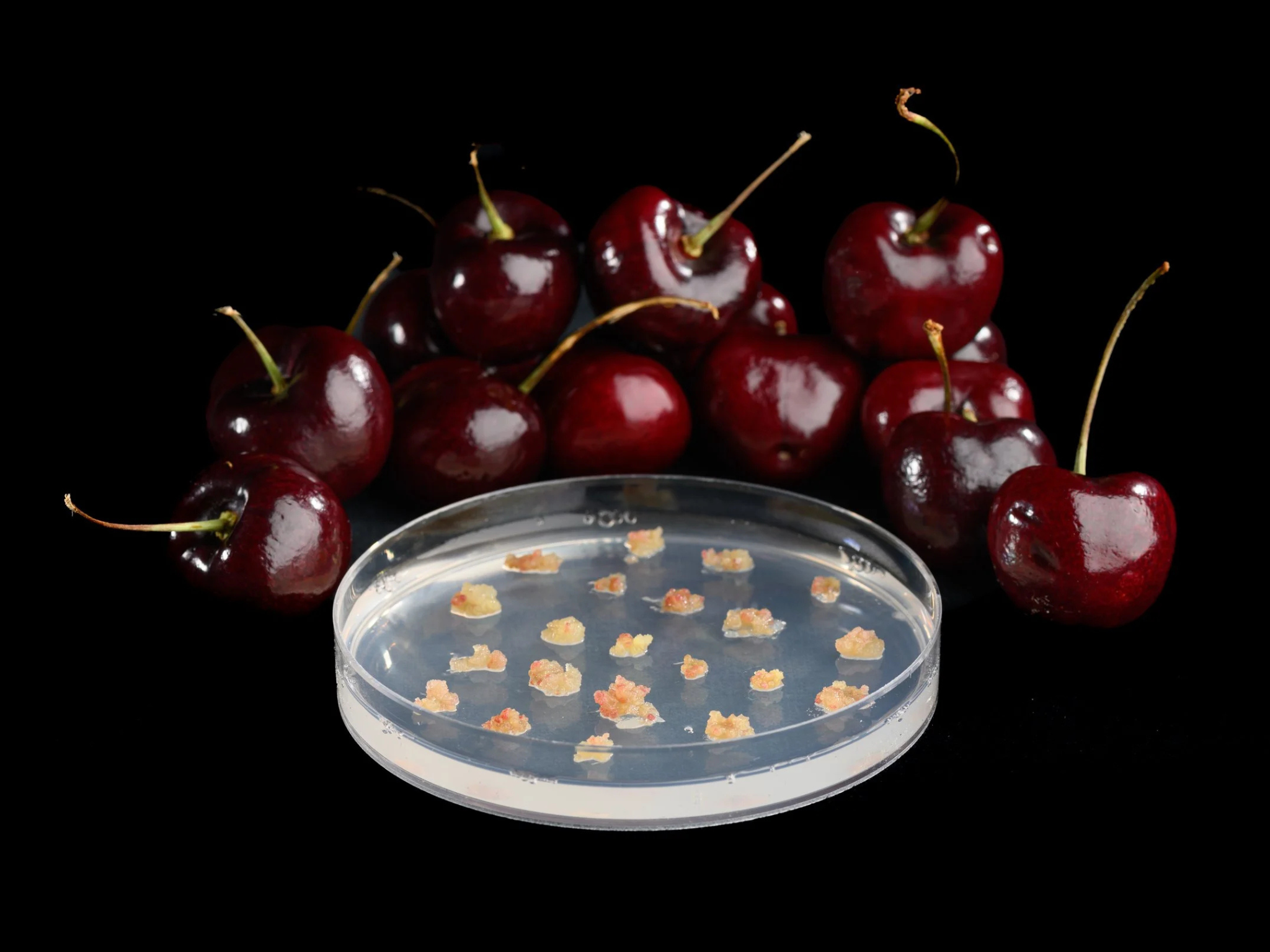
New Zealand cellular horticulture startup Forever Harvest has bagged NZ$1.2M ($715,000) in pre-seed funding to speed up the development of its lab-grown fruit and nut ingredients.
By 2080, nearly two-thirds of the banana-growing areas in Latin America and the Caribbean may not be suitable for cultivation, thanks to extreme weather and climate-change-related pests.
The impact of the climate crisis isn’t just restricted to the world’s favourite fruit, or this one area. Weeks of flooding in Morocco have led to a predicted production loss of 10% of this season’s soft fruits (like blueberries, strawberries, and raspberries). And changing rainfall patterns have threatened guava yields in South Asia.
Meanwhile, poor growing conditions in the Amazon resulted in an 80% decline in Brazil nut harvests last year. And in Lebanon, pine nut prices are skyrocketing thanks to an insect invasion worsened by climate change.
As supplies shrink and costs swell, the global food system is in need of future-friendly solutions that can safeguard year-round availability, protect ingredients from disease and climate volatilities, and enhance food security.
For one startup in New Zealand, the key lies in plant cells. Built on technology developed by the government-backed Plant & Food Research programme, Forever Harvest leverages cellular horticulture to grow fruits and nuts in labs to sell to food, beverage and flavour manufacturers.
The company has just raised NZ$1.2M ($715,000) in a pre-seed round led by Sprout Agritech, with support from the Bioeconomy Science Institute and Callaghan Innovation’s Deep Tech Incubator programme. It will use the capital to accelerate the development of its lab-grown ingredients.
Forever Harvest targets whole cells for functionality and precision
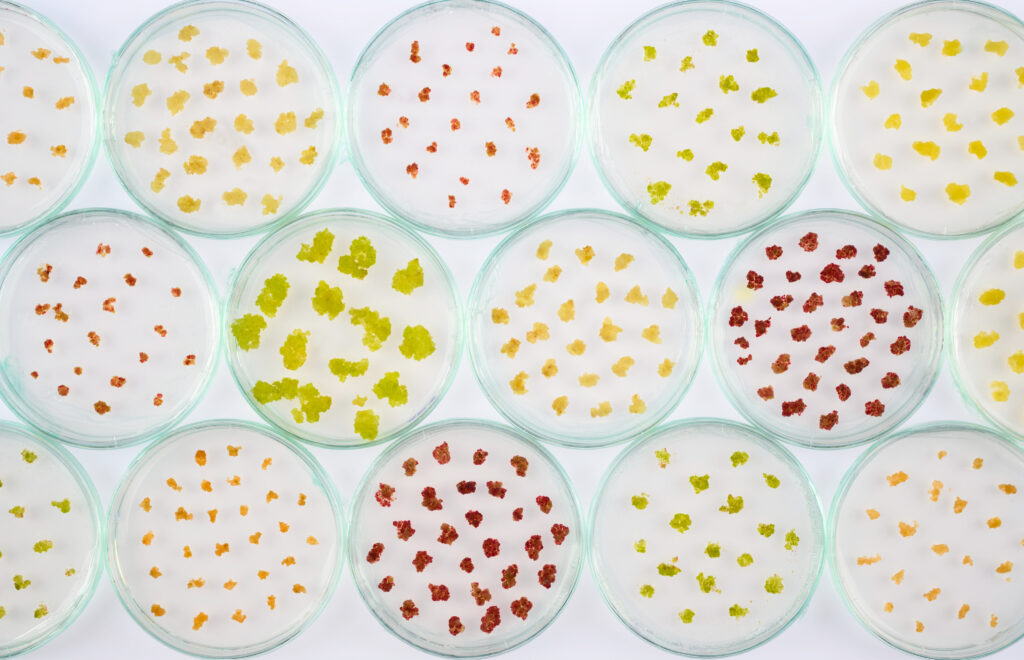
Cellular horticulture involves growing specific fruit or plant cells bioractors instead of cultivating an entire plant or tree, enabling the climate-independent production of cultured cells with targeted nutrients, flavours, textures, and functional benefits.
This plant cell culture technology was first used to grow fruit in 1951, when pioneering researcher JP Nitsch cut open a tomato flower and cultivated it in a medium of sugars and nutrients until it formed into a fully developed tomato.
More modern instances include a Finnish project to grow cell-based lingonberries, cloudberries and stoneberries (said to be as nutritious and flavourful as their conventional counterparts), and an Italian effort to produce lab-grown fruit snacks for astronauts.
Forever Harvest’s technology leverages IP from Plant & Food Research, which trialled the technology to grow blueberries, apples, cherries, feijoas, peaches, nectarines and grapes.
Plant & Food Research was incorporated into the Bioeconomy Science Institute last year, alongside sister institutes AgResearch, Manaaki Whenua, and Scion. Forever Harvest has spun out from the organisation as a new, dedicated commercial venture to bring the plant cell culture tech to market.
The startup uses established cell culture methods to create a platform to grow fruit and nut cells in controlled environments, with food-safe inputs and without genetic modification, and with growth media that outpace existing metabolic pathways.
“We are targeting growth of edible, whole cells with their unique matrix of aromas, colours, flavours,” said Jan Grant, co-founder of Forever Harvest. “Our approach requires minimal land and water, removes seasonality, and eliminates the need for agricultural inputs such as pesticides or fertilisers.”
She added: “It also gives us much greater precision, allowing us to produce specific fruit or nut cells with desired functional properties, including characteristics that may only exist in certain parts of the crop, and deliver them consistently for customers.”
Global food giants exploring lab-grown fruits and nuts
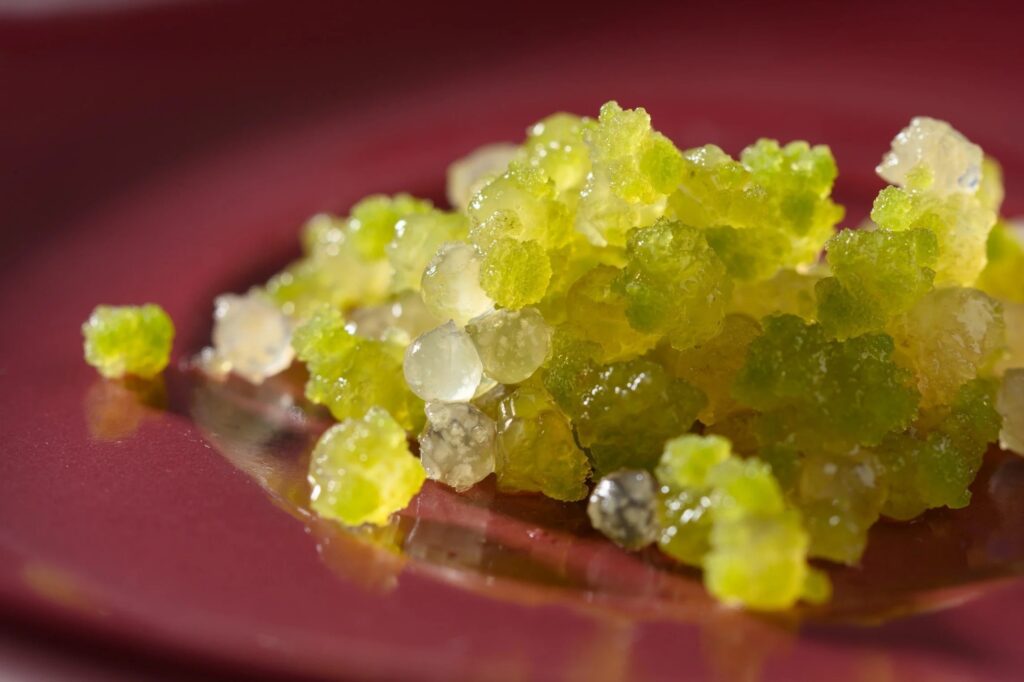
Forever Harvest has already been in talks with several multinational food and ingredient companies. In fact, it has even begun a collaboration with a global food brand to explore commercial applications of its cellular horticulture technology.
“This investment allows us to progress pilot activity and deepen engagement with customers who are actively exploring new supply solutions,” said co-founder Mick Riley. “We are focused on building a commercially scalable business that integrates directly into existing food and flavour supply chains.”
The funding will propel the next phase of growth for the business, helping expand its portfolio of fruit and nut cell lines, continue pilot-scale production, grow its team, and work more closely with commercial partners. Over the next year, it will focus on progressing pilots and deepening customer engagement.
The company has participated in two Sprout Agritech programmes, Germinate and Sprout Accelerator, ahead of the pre-seed investment.
Irene Hao, investment manager at Sprout Agritech, said the startup was solving an urgent problem plaguing food companies in an increasingly volatile ingredient supply chain.
“What stood out to us was the combination of strong early customer engagement and deep technical expertise within the founding team, giving the company a solid foundation to scale a globally relevant platform,” she said.
It’s a sentiment echoed by Gavin Ross, part of the Bioeconomy Science Institute’s commercial team. “The founders have made great progress building connections with a global customer base, and this commercial traction has been key to securing investment from Sprout. This technology has the potential to grow New Zealand’s bioeconomy,” he said.