

Italian Scientists Create 3D-Printed Snacks with Plant Cell Culture & Fruit Waste

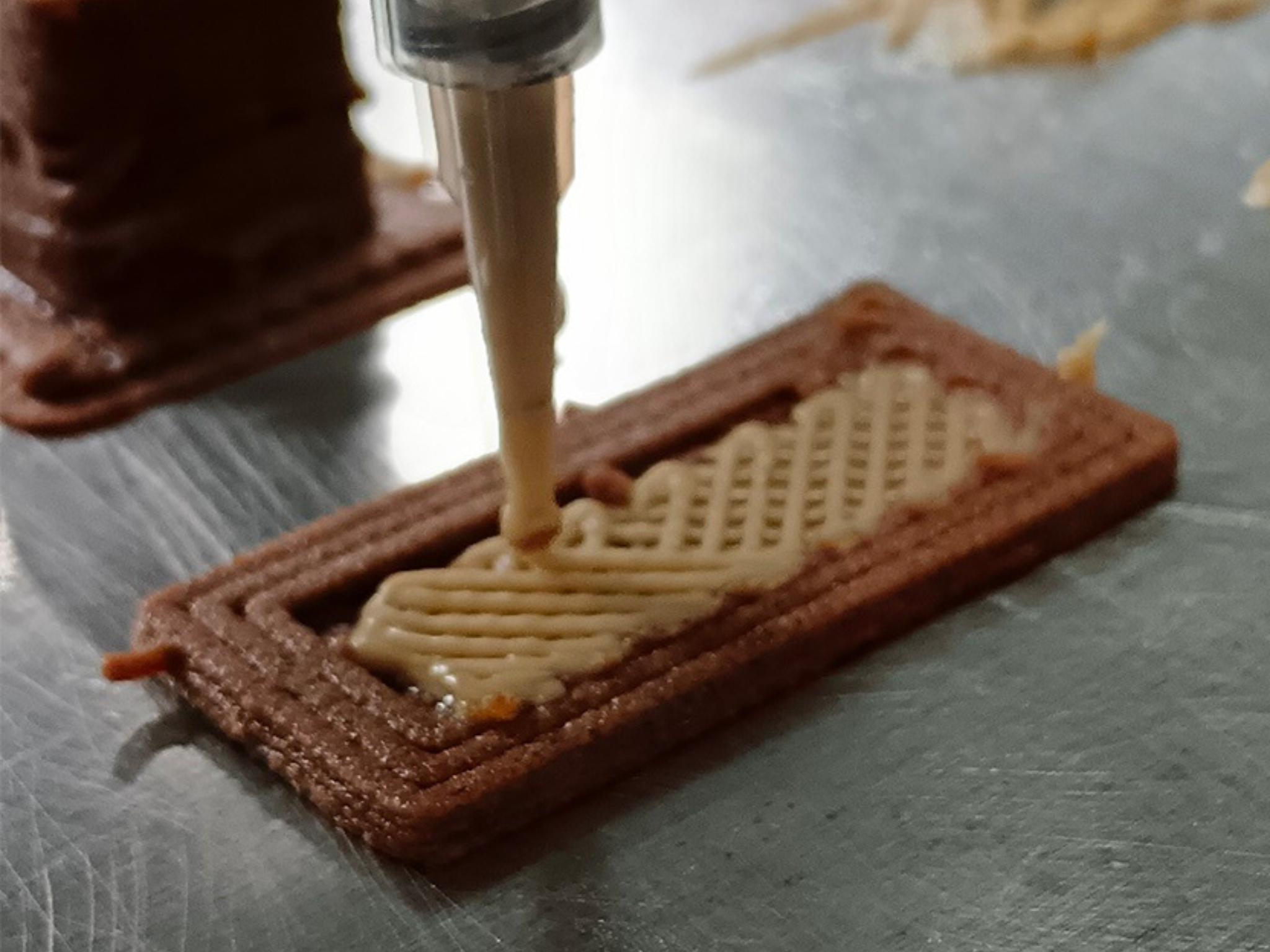
Scientists at Italy’s public research agency have developed prototypes of nutrient-rich sweet snacks from cultured plant cells and fruit residues, offering a glimpse at the future of food.
Italy may have rejected cultivated meat, but lab-grown fruit snacks are fair game.
For a country whose UNESCO-approved culinary heritage is steeped in tradition, its scientists have devised sustainable snacks ready for the future.
At ENEA, the national research agency, members of the Nutri3D project have unveiled high-value snack bars and spheres created from plant cell culture, byproducts from fruit processing, and a 3D printer.
“The impact of climate change and the scarcity of new arable land will make it increasingly difficult to ensure the supply of high-quality plant-based foods,” said Silvia Massa, head of the Agriculture 4.0 Laboratory at the ENEA Casaccia Research Center, and scientific coordinator of the NUTRI3D project.
“In this context, developing innovative production and manufacturing systems – such as plant cell agriculture and 3D printing – represents a strategic approach to producing sustainable, health-promoting foods, even from agrifood byproducts, thereby contributing to a healthy and safe diet,” she added. “Such foods could also have customised applications in space missions.”
How ENEA turns fruit waste into nutrient-rich snacks
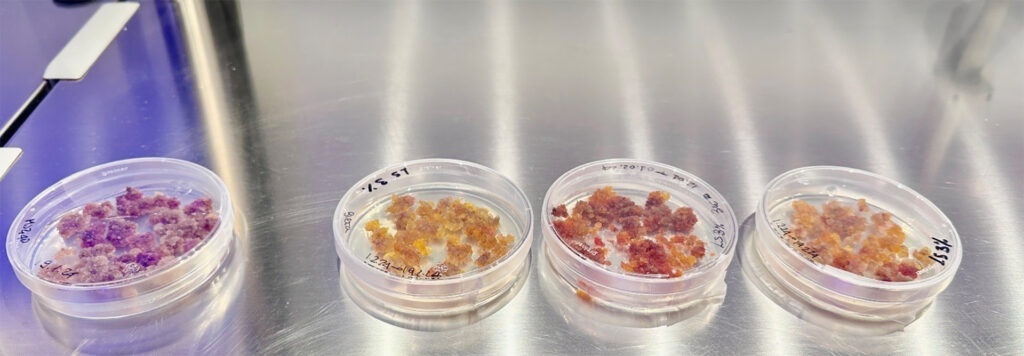
Plant cell culture technology involves growing plant cells in bioreactors by feeding them on sugar, vitamins, minerals and other nutrients, eschewing the need for agricultural inputs like water or soil and ensuring a consistent, climate-resilient supply.
Europe has spearheaded the use of this technology for climate-resilient foods. In 2018, Finnish scientists used the tech to grow lingonberries, cloudberries and stoneberries, which were said to be equally nutritious and flavourful.
And in Switzerland, Food Brewer is leveraging plant cell culture to create chocolate, while Bühler Group, Migros and Givaudan are using the tech to target both cocoa and coffee in The Cultured Hub facility.
“We Italians add creativity, combining cellular food with recovered byproducts,” said Massa. ENEA is working with Rigoni di Asiago, a family-owned organic foods company, to procure fruit industry byproducts, such as the leftover residue from jam production.
The project is supported by the Food and Nutrition Research Center at Italian agrifood research agency CREA, and is coordinated by Elthub, a technology R&D firm part of ELT Group.
ENEA’s plant-based inks are shaped using a prototype 3D printer specifically designed for the project by Elthub, with the process being carried out at the ENEA Research Center in Brindisi. The resulting products include a multi-layered snack bar and glossy spheres called “honey pearls” (designed to preserve flavour and nutritional value).
“Our studies revealed that the ‘pearls’ enriched with plant cells show improved texture and juiciness, making them more appealing to consumers,” explained Simona Errico, a researcher at the Regenerative Circular Bioeconomy Laboratory of the ENEA Research Center in Trisaia.
Plant cell culture could help produce food for space
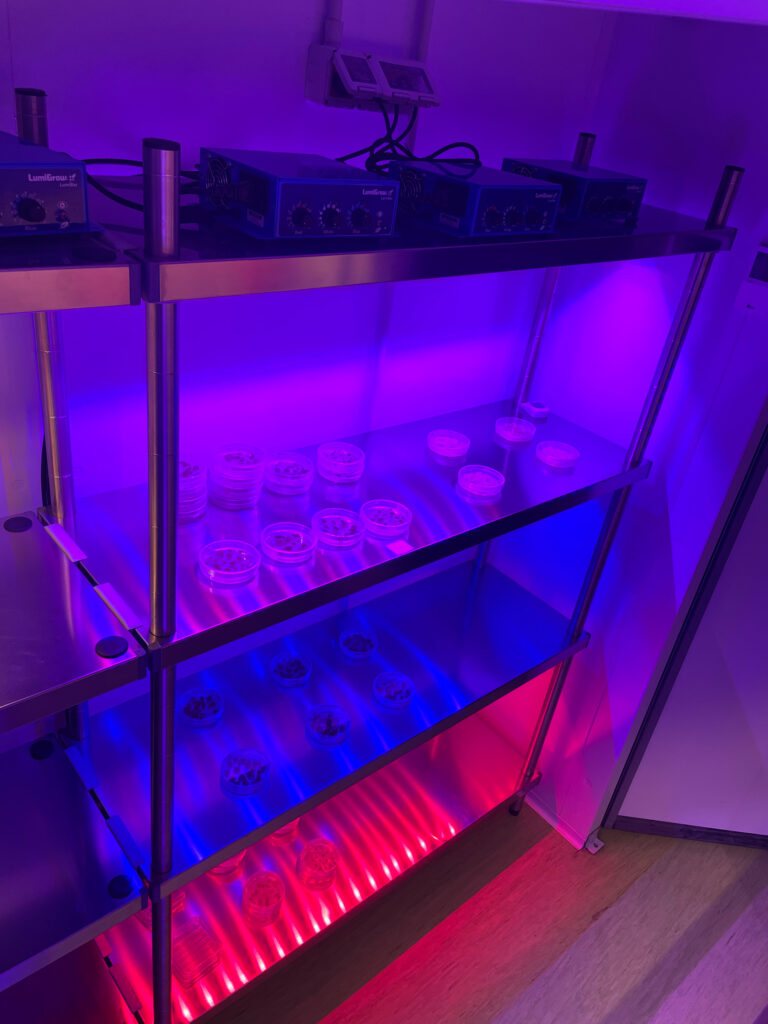
The tech could be useful in settings lacking in food cultivation resources, like conflict zones or space, with EltHub director Ermanno Petricca calling the snacks “fruit for astronauts”. ENEA is now also exploring microgreens and nano tomatoes for space.
To gauge consumer acceptance, the researchers conducted a study that revealed a growing interest in innovative foods, which was published in the Innovative Food Science & Emerging Technologies.
It involved over 400 consumers, 59% of whom said they’d be willing to buy innovative foods produced with these technologies, particularly when linked to health benefits.
That said, cultural and informational barriers remain – some consumers still think of these products as ‘unnatural’. So the researchers highlighted the need for clear and accessible communication campaigns to bridge the gap between scientific innovation and social acceptance.
“Data from the online survey showed that awareness of the product’s innovative composition increased both interest and attractiveness, suggesting that consumer education and transparent communication are key factors influencing food choices,” said Paola Sangiorgio, a fellow researcher at the Regenerative Circular Bioeconomy Laboratory