

The Earth’s Biodiversity is Dying – Sustainable Proteins Can Save It


Supportive policies for alternative proteins are one of the most effective ways to curb biodiversity loss, but a high level of funding is needed.
In January, the UK government declared biodiversity loss a threat to its national security.
It solidified what climate experts have been saying for years – natural ecosystems have declined by 47% since their earliest estimates, and a quarter of plant and animal species are facing the risk of extinction.
Meanwhile, there’s just not enough money going into efforts to slow biodiversity loss. In the 2020 Financing Nature report, researchers highlighted the gap between what is currently spent on protecting nature, and how much is needed over the next decade. The exact number, $711B on average annually, may seem like a lot. To put this in context, it’s less than what we spend on cigarettes or soft drinks every year.
A new report argues that philanthropy cannot alone fill this funding gap, especially since it is both insufficient and misallocated (focusing on location-specific projects that fail to deliver systemic, global impact).
However, there are four strategies that can maximise the impact of philanthropy to protect biodiversity. On oceans, this involves developing improved fishing gear and alternatives to fish meal and oil. And on land, the most effective approaches are to protect wetlands (where 40% of the world’s species reside), and expand research and supportive policies for alternative proteins.
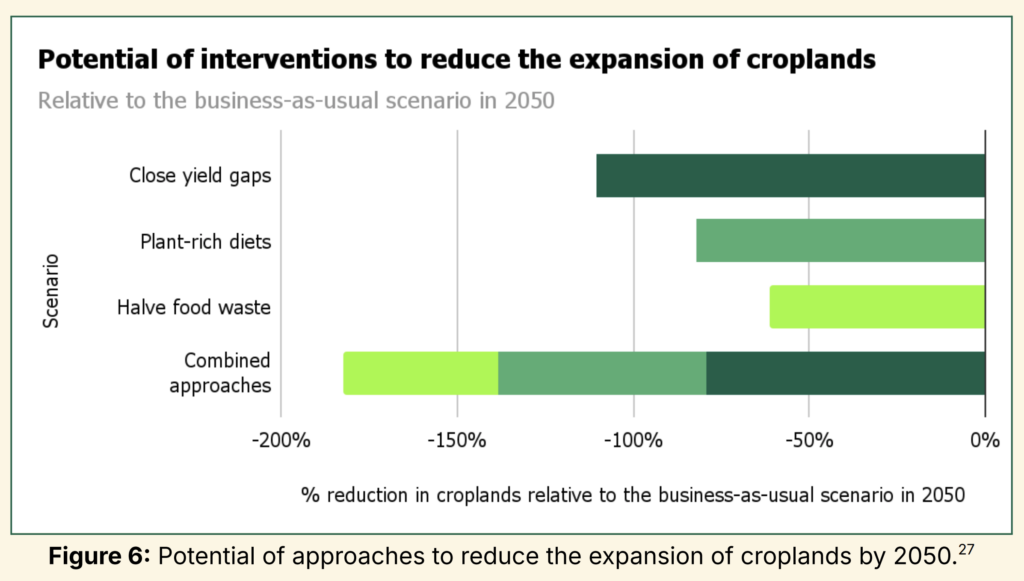
Funding efforts to make plant-based, fermentation-derived and cultivated proteins as tasty and cheap as conventional meat can reduce cropland expansion by up to 82% by 2050, the research by climate charity Giving Green found.
“Advocating for alternative protein policy and research is the most promising strategy to reduce future habitat loss,” the report states, warning that these innovations have gained “relatively little support from governments and philanthropists” so far.
Why alternative proteins can protect biodiversity
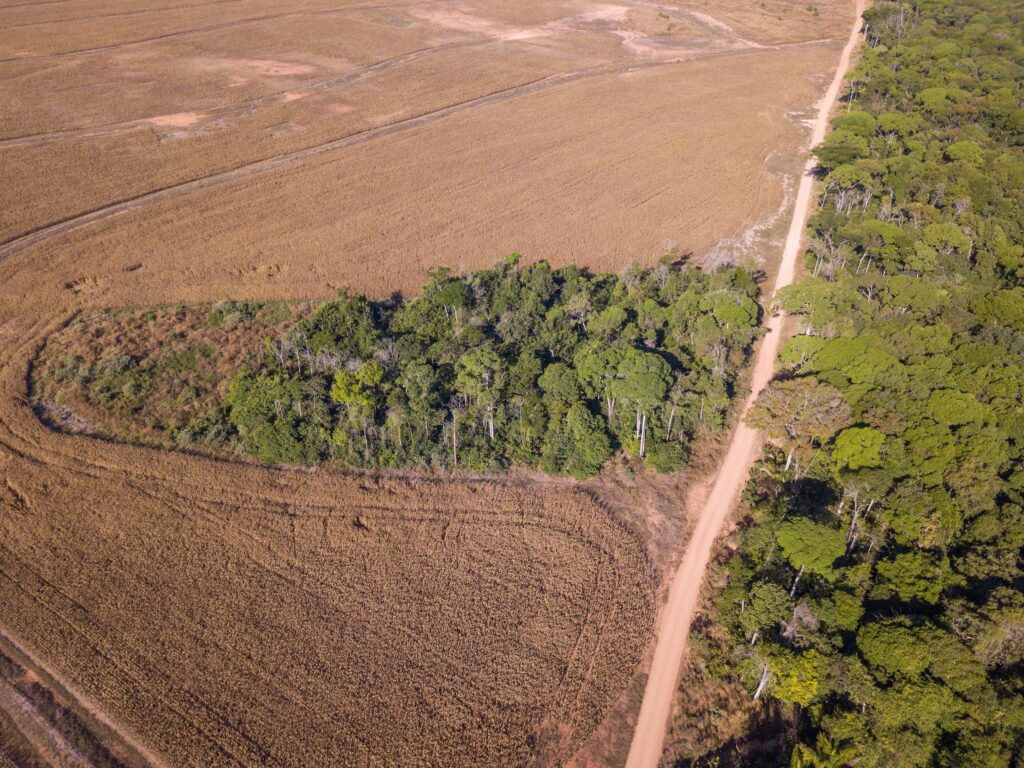
The report outlines that land use change – like the conversion of natural habitats into agricultural land – is the most dominant driver of both terrestrial and freshwater biodiversity loss. And the habitat destruction from these activities is the most common threat to endangered and vulnerable species.
Tackling land use change has the dual benefits of reducing biodiversity loss and mitigating climate change. To do so, addressing the food system is critical.
Agricultural expansion is the biggest contributor to land use change, with croplands being constantly expanded to grow animal feed and food for humans. This is why the three top levers to tackle cropland expansion are increasing yields, cutting food waste and loss, and transitioning to plant-based diets.
A 2020 study predicted that achieving 80% of the maximum yield on croplands, following plant-rich dietary guidelines, and halving food waste could reduce the need for agricultural land by 25% by mid-century. This new report points out that the overall effect of plant-forward diets is larger because it also avoids the expansion of pastures.
Livestock farming is responsible for nearly 60% of global agricultural emissions, and up to a fifth of the overall greenhouse gas footprint. Moreover, it takes up 80% of the planet’s farmland and 70% of its freshwater supply. And the need for pastureland and feed means this industry is responsible for more than half of all global forest loss.
Alternative proteins are much kinder to the environment. A landmark study from 2023 suggested that vegan diets reduce emissions, water pollution and land use by 75% compared to meat-heavy eating patterns.
Giving Green notes how alternative proteins (including blended meat) can reduce the need for land, and advocates for a policy environment that spurs the development and market uptake of these foods, alongside innovation in their taste, price, and convenience.
It calls for public advocacy for increased R&D funding, regulatory approval, meat-like labelling practices, and enhanced dietary guidelines. Corporate outreach to expand their availability in supermarkets and restaurants, and drive funding in this space, is crucial too. Additionally, it recommends directly funding researchers to fill important gaps, de-risk investment, and inform more targeted policy support.
Public funding essential for alternative proteins
Assessing how feasible a solution alternative proteins could be, Going Green points to the importance of government support for these foods, innovators’ progress on these technologies, and consumers’ willingness to adopt them.
It notes how some governments – like the EU, Denmark, the Netherlands, and the state of Illinois – have pledged over a billion dollars in public funding for these future foods, enabling cultivated meat and precision fermentation startups to scale up. There are still some unresolved technical challenges, however, and some lawmakers (mostly states in the US) have banned cultivated meat.
“It is our impression that consumer and regulatory acceptance show carefully optimistic trends, although we are uncertain about the future acceptance of alt-proteins and how much meat consumption they will displace,” the report suggests.
It rates the philanthropic funding need of this solution as ‘high’, explaining that government R&D expenditure on alternative proteins is still low when compared to other environmental funding. The amount spent by EU countries and institutions, for instance, is dwarfed by the €112M in biodiversity contributions in the bloc’s current six-year budget, or even the €6.9M given to biodiversity-related R&D.
The problem is, alternative protein progress can’t be funded through existing biodiversity funding mechanisms like REDD+, because these foods are out of their scope. While private financing exists, public and philanthropic investment can have a deeper impact, as the R&D results can be used by all researchers and companies.
Compounding the issue is that the livestock sector challenges any policies that could reduce demand for their products. “This sector delays, distracts, and derails action on food system transformation and has convinced policymakers to exempt them from climate action goals,” the report states. Biodiversity and environmental philanthropy, it adds, can counter the interests of the agricultural lobby.
It’s not just terrestrial biodiversity that alternative proteins can help preserve – Giving Green suggests that advocating for alternative seafood can also be a promising strategy to reduce marine biodiversity loss by curbing fish consumption.
“We recommend alternative protein advocacy and research as the most promising philanthropic strategy to reduce land use change,” it says. “Increasing agricultural yields and reducing food waste stand out as important solutions, too, but we have some concerns about the feasibility and funding need compared to alternative proteins.”