

Rogue Pet: Magic Valley Debuts Australia’s First Cultivated Meat for Dogs


Australian startup Magic Valley has launched Rogue Pet, a brand of cultivated meat treats for dogs, to generate early revenue. The first drop of products has sold out within a week.
As it advances its cultivated pork platform for humans, Melbourne-based Magic Valley has unveiled a new pet food brand to enter the market and create early revenue for the business.
On its sixth anniversary, the food tech startup has begun selling dog treats under its Rogue Pet brand, marking the first time cultivated meat is available for pets in Australia.
“It gives us a way to demonstrate real traction, real customer demand, and real revenue today, while staying aligned with the much larger long-term opportunity in cultivated meat,” Magic Valley founder and CEO Paul Bevan tells Green Queen.
The hybrid product, marketed as Training Bites, combines cultivated pork with oat flour, apples, sweet potatoes, and brewer’s yeast. It is being released in fashion-style ‘drops’, with each 50g pack priced at A$14.95 ($10.60).
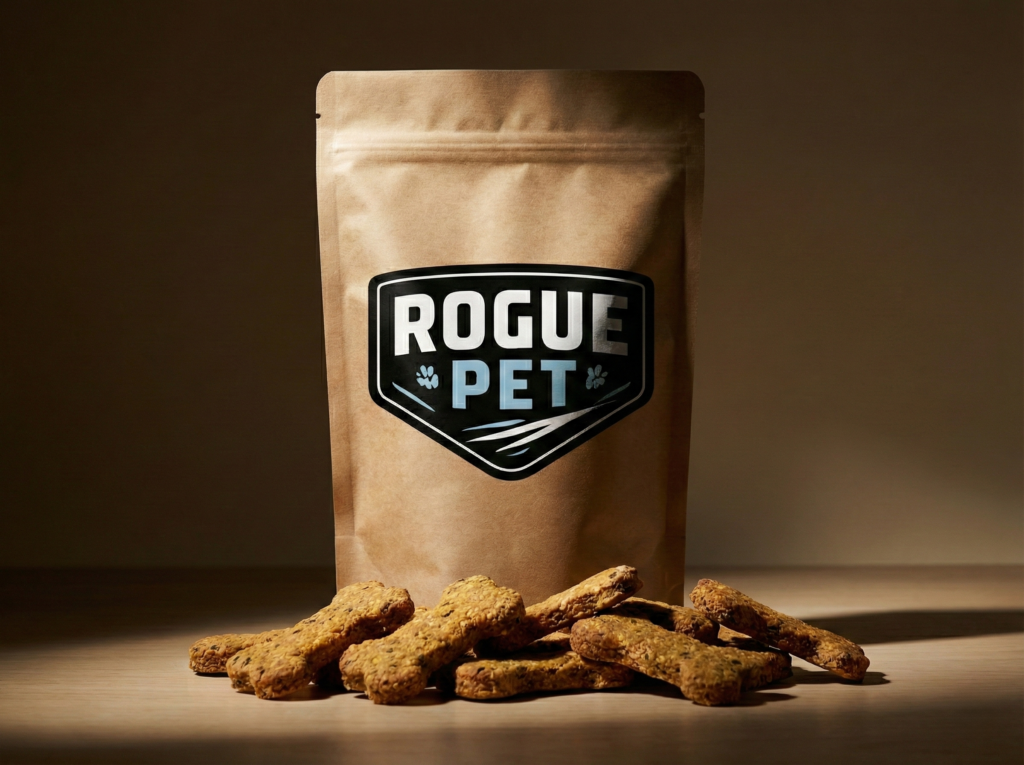
“We are already generating revenue from treat sales,” says Bevan. “Our first drop sold out in the first week, which was a strong signal of consumer demand and market readiness.”
Rogue Pet expects to ship these products within eight to 12 weeks. “From here, our focus is on turning that early traction into repeatable commercial growth through future drops, brand building, and expanded market reach over time,” he notes.
Why Magic Valley forayed into the pet food space
Rogue Pet is intended as a first commercial step to demonstrate the potential and build consumer trust for Magic Valley’s cultivated meat, banking on the fact that pets outnumber humans in Australia.
In fact, nearly three in four households (73%) down under are home to a pet, with dog ownership rising from 40% in 2019 to 49% in 2025. As was the case with many countries globally, this growth accelerated during the pandemic.
But it’s also a marker of the shift towards pet parenting over having kids globally. In 2023, one study revealed that more than half of Australians do or would consider their furry friends as important as their children.
“We see pet food as a compelling entry point for cultivated meat. Pet owners care deeply about quality, ethics, and sustainability, and many are already looking for better ways to feed their animals,” says Bevan.
The move gives it a chance to launch cultivated meat through a “commercially agile” product format that’s well-suited to early consumer adoption. “One of the biggest challenges in this sector is turning breakthrough science into real products that people can actually buy,” he explains.
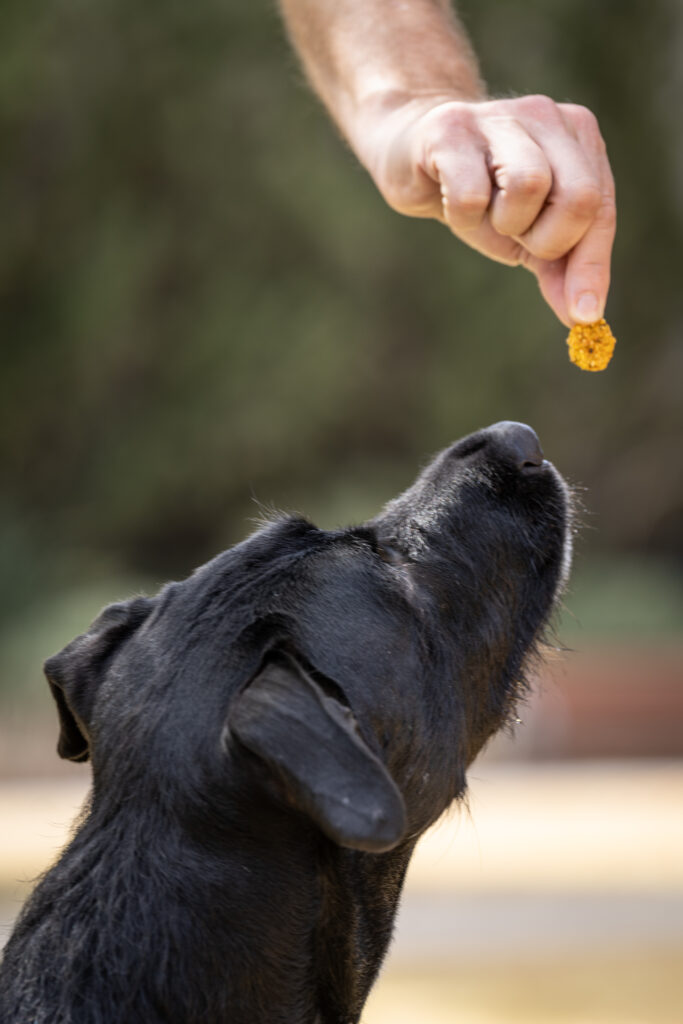
“Rogue Pet lets us build real operating capability across production, fulfilment, customer acquisition, and repeat purchase behaviour. That strengthens the broader Magic Valley business over time,” he adds. “At a mission level, it also aligns closely with what we’ve always been building toward: real meat, made without animal harm.”
The company’s immediate focus is on building the pet food business as a consumer brand, and using that channel to develop direct market insight, brand equity, and commercial proof points.
“Over time, we do see broader opportunities across both branded products and B2B ingredient supply,” says Bevan. “We believe cultivated meat can play a meaningful role as an ingredient within the pet food sector, especially for brands looking for differentiated, ethical, and future-facing protein solutions.”
Magic Valley is one of several cultivated meat startups working on both human and pet food, joining the likes of Czech player Bene Meat Technologies and Singapore’s Umami Bioworks. Their strategy is reflective of the fact that pet food can provide an immediate source of early revenue and is far more likely to create commercial traction in a financially crunched industry.
For instance, a 2022 study found that while 32.5% of consumers in the UK would be willing to eat cultivated meat themselves, they’d be more willing to feed it to their pets (47.3%).
Rogue Pet’s producing cultivated meat within Australia’s pet food framework
So far, only one company has sold cultivated meat for pets anywhere in the world, with London-based Meatly rolling out hybrid pet treats in the UK last year.
Several others are close to entering the pet food market. California’s Friends & Family Pet Food Co has secured approval from Singapore’s Animal & Veterinary Services to sell its Kampung bird treats for dogs and cats in the city-state.
And Bene Meat Technologies, Biocraft Pet Nutrition and Umami Bioworks have registered their cultivated meat as feed materials in the EU, allowing them to sell their products as pet food ingredients.
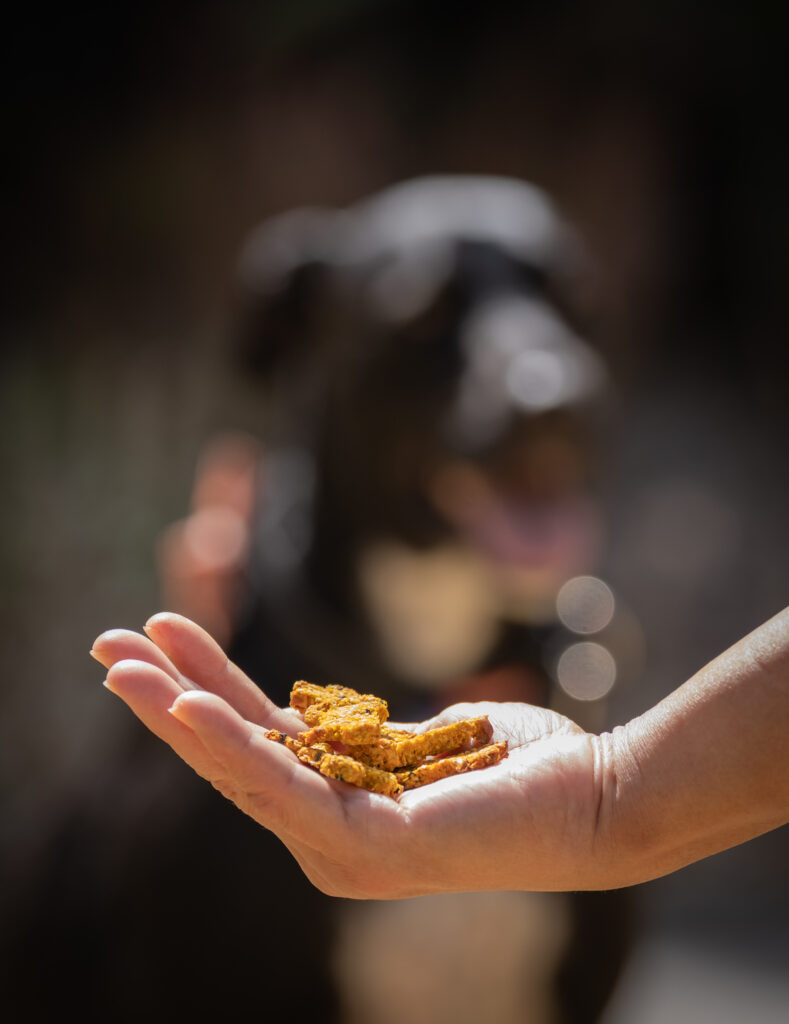
In Australia, pet food regulation is mostly confined to voluntary standards developed by the Pet Food Industry Association of Australia. “Pet products and human food sit within different frameworks and have different requirements, so they are best understood as separate pathways,” explains Bevan.
“It is less about a single product-specific approval and more about ensuring the product is developed, manufactured, and marketed in line with the relevant framework and standards for pet products in Australia. Rogue Pet is currently being commercialised in Australia within that framework,” he says.
“We assess pet food and human food separately and approach each according to its own requirements, timing, and commercial priorities,” he adds. “Our focus right now is on building the business responsibly and in line with applicable requirements, while continuing to advance the broader Magic Valley platform.”
Magic Valley seeks funding as it makes human food progress
To produce its cultivated pork, Magic Valley eschews fetal bovine serum and leverages induced pluripotent stem cells (iPSCs). It takes a small sample of skin cells from a living animal, which are expanded and converted into iPSCs that are then differentiated into muscle and fat.
The cells are grown in a bioreactor, in a mixture of water, amino acids, and other nutrients. They’re harvested after a few weeks and turned into meat products. These can be made repeatedly from the original cell sample, since iPSCs can grow indefinitely.
According to the startup, its process can reduce emissions by 92%, land use by 95%, and water use by 78% compared to conventional meat.
Magic Valley has held previous public tastings of its cultivated pork, serving it as part of baos at John Gorilla Café in Brunswick, Victoria, and showcasing it on Australia’s Channel 7 and Gordon Ramsay’s Food Stars Australia.
Last year, it also hosted an event for politicians in the New South Wales parliament, months after it received an A$100,000 ($63,000) injection from the federal government to transition from research to commercial production of its cultivated meat.

The firm is raising fresh financing this year. “The capital is intended to support scale-up across manufacturing capability, team growth, regulatory work, and commercial expansion across both Rogue Pet and Magic Valley’s broader cultivated meat platform,” says Bevan.
“For human food, we continue to progress our longer-term regulatory strategy, including work relevant to future FSANZ [Food Standards Australia New Zealand] engagement,” he says.
The joint regulator for the two countries already approved Vow’s cultured quail for sale last year, following which, the product debuted in restaurants and has been available online on its Forged brand’s website.
The initial response has been highly positive, with demand for Vow’s products rising by 200% each month since launch, according to the Department of Industry, Science and Resources’ National Measurement Institute. Magic Valley will hope to gain similar momentum when it launches its cultivated pork for human consumption.
“We are taking a staged approach and want to ensure the science, product, and regulatory foundation are all in place before putting a specific timeline on launch,” says Bevan. “It allows us to move in a disciplined way, prioritise the right markets and products, and build the company step by step.”