

As Climate Change Bites, Nestlé Invents New Technique to Boost Cocoa Yields

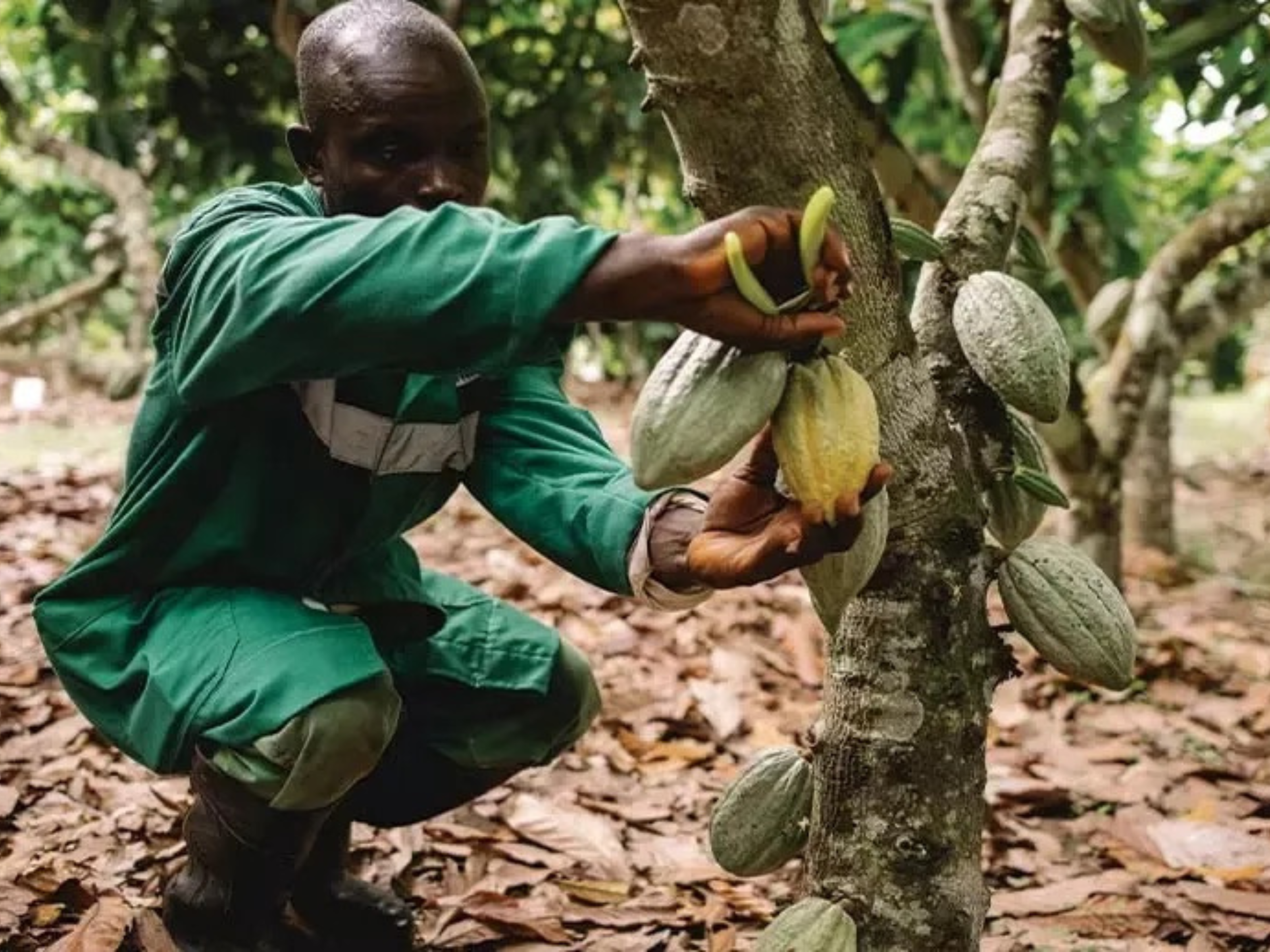
With global cocoa stocks at record lows this year, the world’s largest food company, Nestlé, has developed a novel method to utilise 30% more of the cacao plant.
As the planet melts, so does the chocolate industry.
Human-caused climate change has caused global cocoa stocks to slump to their lowest levels in a decade. Last year, it added six weeks of days above 32°C in over 70% of cacao-producing areas across several African countries. Extreme weather and crop diseases hit plantations hardest in the Ivory Coast and Ghana, the two largest producers of the crop.
That has caused cocoa prices to reach all-time highs this year. In London, the price of cocoa rose nearly fivefold between January 2023 and last December, and is still nearly three times high as the former. The same was true for New York, where cocoa futures tripled in 2024, reaching a record $12,565 per tonne in mid-December.
And this could well continue in the long term. Scientists have warned that cocoa trees are threatened, and a third of them could die out by 2050, which could lead to a global chocolate shortage.
The problem is, the cocoa industry is a major contributor to the climate crisis. Dark chocolate, meanwhile, generates more greenhouse gases than all other foods except beef. And a bar of chocolate requires 1,700 litres of water to produce on average. The widespread use of deforestation-linked palm oil doesn’t help either.
It has left the industry scrambling, with both small and big players affected. Hershey, for instance, has cut its profit forecast for 2025 and announced a double-digit hike in product prices due to high cocoa costs.
Nestlé, as the world’s largest food company and the industry’s biggest polluter, is also feeling the heat. Now, its scientists believe the solution to the cocoa crisis lies in the cacao fruit itself.
How Nestlé is squeezing more out of cocoa
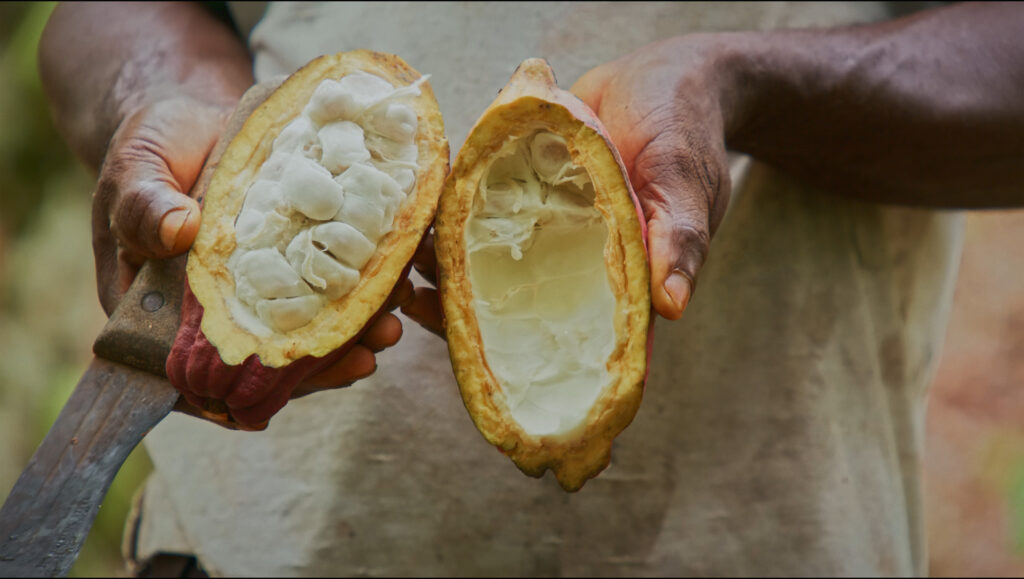
The KitKat maker has created a novel patented technique that maes use of up to 30% more of the cacao fruit in chocolate production, while maintaining the flavour.
Traditionally, chocolate is made using only the cocoa beans extracted from inside the cacao pod, which are then harvested, fermented, dried, roasted and ground into a liquor. This liquid is then used to make chocolate, but the process leaves behind a significant amount of the fruit, including the pulp, placenta and pod husk, according to Nestlé.
In fact,an estimated 70% of the cacao fruit is wasted during chocolate production. But it’s a superfood that contains flavonoids and regulates blood pressure, prevents clots and, enhances blood flow to the brain and heart.
While some companies have taken to creating upcycled products with it, like cacao fruit juice or snacks, others have used it to make chocolates that utilise all parts of the plant.
Nestlé is in the latter camp, with its R&D team leveraging all parts of the fruit inside the pod. The simplified method entails collecting all components as wet mass, which is then fermented naturally to unlock “the key chocolate flavour”.
This mass is then ground, roasted and dried into chocolate flakes, which can be used to make chocolate “without compromising the taste”.
The approach minimises food waste and increases the amount of cocoa material available to farmers. The efficient extraction also frees up valuable time to focus on good agricultural practices such as pruning, which can further improve yields, Nestlé said.
Climate change driving chocolate makers to future-friendly solutions
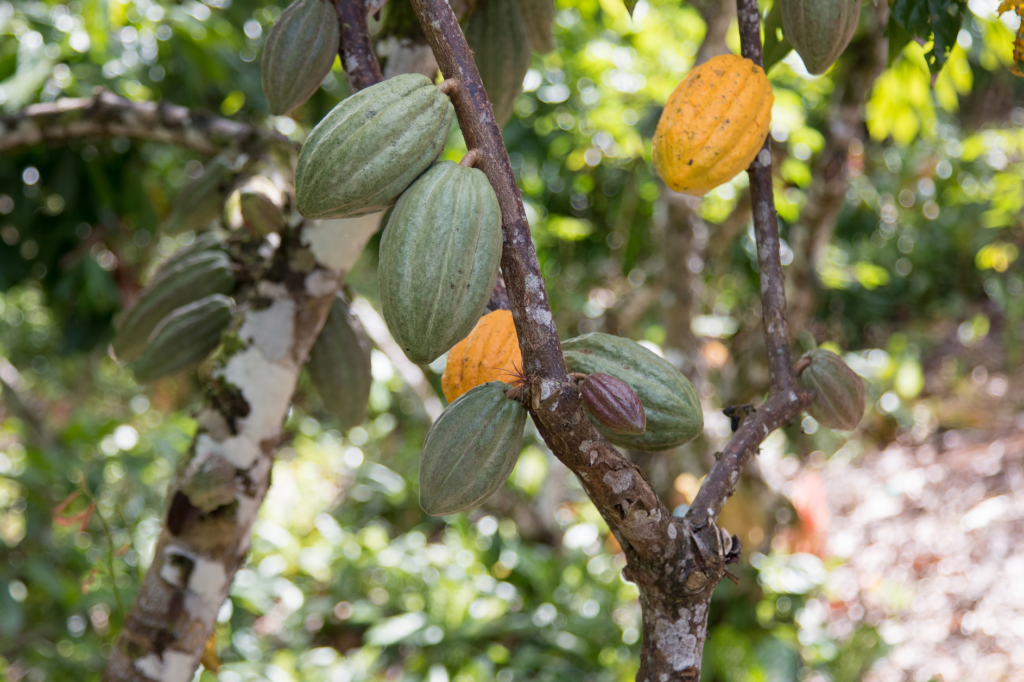
“With climate change increasingly affecting cocoa yields around the world, we are exploring innovative solutions that could help cocoa farmers maximise the potential of their harvests,” said Louise Barrett, head of the Nestlé R&D centre for confectionery in York, England.
“This groundbreaking technique utilises more of the fruit, while enabling us to provide delicious chocolate to our consumers. While this project is still at a pilot stage, we are currently exploring how to apply this innovation at a larger scale,” she added.
It’s not the first time Nestlé’s scientists have responded to solve the supply shocks of a key commodity. Last year, its agricultural science team developed a new high-yielding arabica coffee variety said to be resistant to climate change and leaf rust, a fungal disease that decimates crops.
The Swiss company is one of several industry giants that have been seeking future-friendly chocolate innovations. Barry Callebaut, the world’s largest chocolate supplier, has been offering cocoa alternatives made from precision-fermented sunflower seeds for some of its offerings in Europe. And last month, it teamed up with the Zurich University of Applied Sciences (ZHAW) to explore the potential of cell-based cocoa.
Mars, the company behind M&Ms and Snickers, has signed a licensing agreement with biotech firm Pairwise to use the latter’s CRISPR gene-editing tech for the development of disease- and climate-resilient cacao crops.
Another major confectionery player, Cargill, announced a global distribution partnership with Californian startup Voyage Foods, which makes cocoa-free chocolate alternatives using plant-based ingredients.
Voyage Foods is among a number of companies making cocoa-free chocolate, including Planet A Foods, Compound Foods, Prefer, Foreverland, Nukoko, Endless Food Co, Win-Win, and more. And California Cultured, Celleste Bio, Kokomodo, and Food Brewer are working on cell-based cocoa.