

Nestlé & UN University Launch Global Academy to Advance Sustainable Food Systems

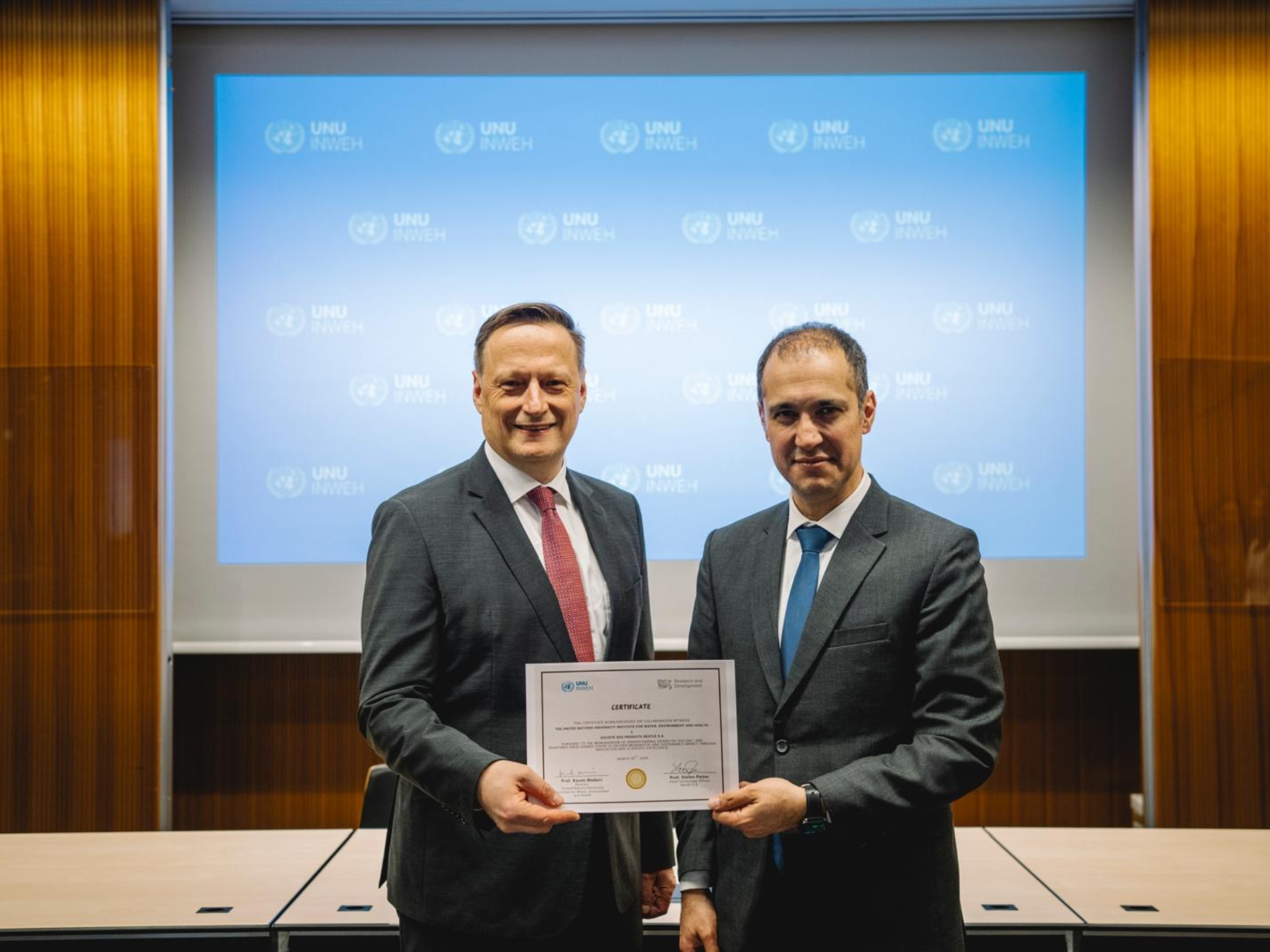
Nestlé has teamed up with the United Nations University to establish the World Food Academy 4 Sustainable Food Systems, which aims to support youth in the future food sector, particularly in the Global South.
The world’s largest food company has partnered with the United Nations to advance the education and career development of young people working to transform the future of the food industry.
Nestlé and the United Nations University Institute for Water, Environment and Health (UNU-IWEH) have launched the World Food Academy 4 Sustainable Food Systems, a multi-partner ecosystem to boost education, career development and knowledge exchange for university students and young researchers, particularly those from “priority regions” in the Global South.
The initiative will bring together industry experts, international organisations, and research partners to support the next generation of professionals in the industry, building on Nestlé’s existing Science & Technology Seminars.
“The World Food Academy represents a platform to translate interdisciplinary research into actionable solutions by equipping emerging leaders, particularly in the Global South, with the scientific, technical, and policy competencies required to address systemic challenges in food security, nutrition, and sustainability,” said UNU-INWEH director Kaveh Madani.
Nestlé and UN University combine strengths to ‘bridge science and policy’
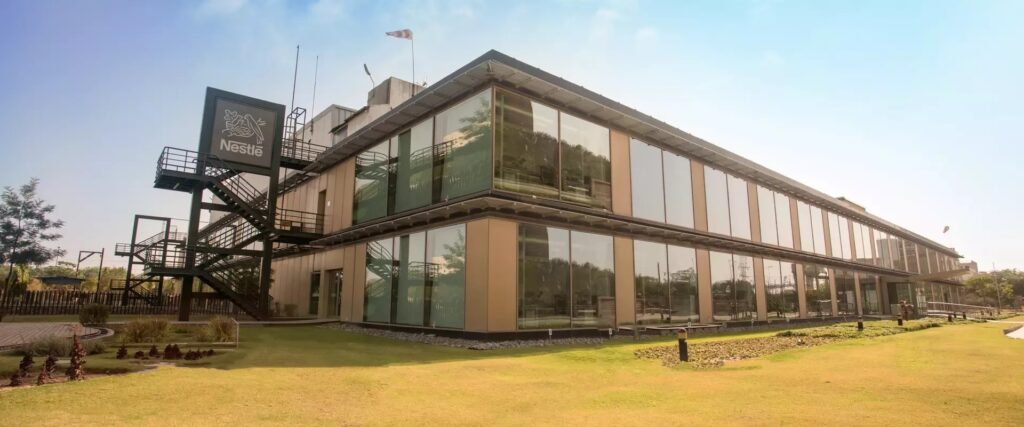
Launched through its R&D arm in 2023, Nestlé’s free seminars cover topics such as agricultural science, food science and technology, and nutritional science. They also offer technical expertise around affordable and sustainable food production.
Initially being offered through partner universities, the seminars reached around 7,000 students at over 300 academic institutions in more than 90 countries last year.
“Ensuring global food security and driving the transition to sustainable food systems requires intense collaboration along the food value chain,” said Nestlé CTO Stefan Palzer.
This is where UNU-INWEH comes in. As one of the 13 institutes comprising the United Nations University, the academic arm of the UN, it will support the seminars through its expertise in research, capacity building, policy engagement, and knowledge dissemination.
UNU-INWEH will ensure that participants receive practical, up-to-date insights and tools to support their professional development, and share its knowledge of sustainable agriculture and responsible land management, both of which are crucial for food security, biodiversity, and climate resilience.
“This collaboration with Nestlé further strengthens our ability to bridge science and policy, ensuring that knowledge is effectively translated into practice while advancing sustainable and resilient food systems for future generations,” said Madani.
Food academy’s knowledge resources will be free
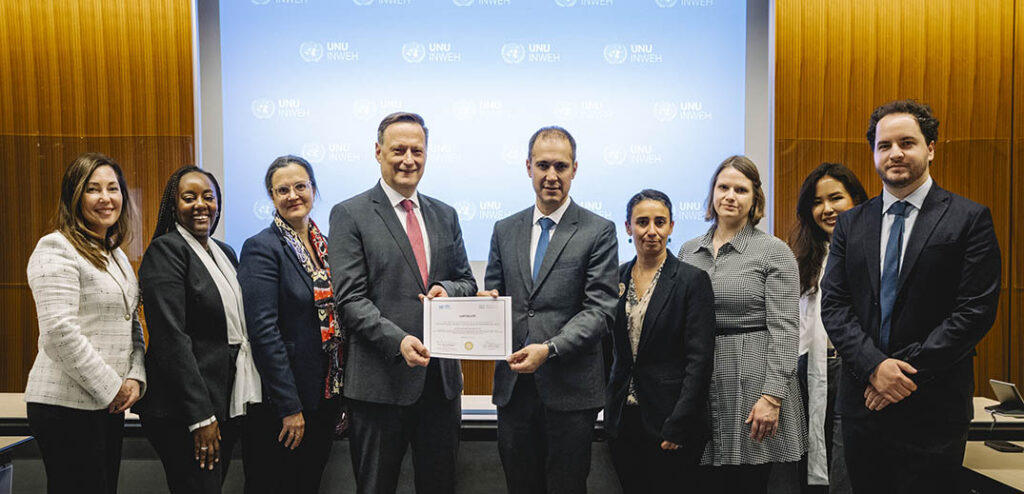
One of the most notable aspects of the partnership is that the educational resources developed through it will remain publicly accessible at no cost, ensuring free availability for people globally, including those in low-income regions.
The programme’s activities align with the UN’s Sustainable Development Goals, particularly those focused on advancing quality education and reducing inequalities.
Both Nestlé and UNU-INWEH will explore ways to expand the academy’s scope over time by building a network of educational institutions, industry partners, and research organisations, and by offering career and specialised capacity development opportunities, internships, sabbaticals, and fellowships.
And later this year, they will host a symposium on sustainable food systems, convening policymakers, researchers, private-sector representatives, and civil society organisations to explore practical solutions to improve access to nutritious, affordable food through sustainable agricultural practices.
Nestlé’s work on food systems transformation is critical, especially since it’s the industry’s biggest polluter. Last year, the company left the Dairy Methane Action Alliance, through which it had pledged to cut its methane emissions from milk production. Further, it has been accused of overreliance on regenerative agriculture, which research finds fails to align with UN net-zero guidance.
“Through this joint initiative with the United Nations University, we will share our broad and deep scientific expertise, along with our practical knowledge of food and nutrition, with underprivileged students and young professionals around the world,” said Palzer.
“This know-how will enable them to more effectively transform both global and local food systems, making food more nutritious, accessible and sustainable.”