

Non-UPF Program Opens Up Certification Label to Entire Food Industry

The Non-UPF Program has expanded its certification label, which ensures food products are not ultra-processed, keying in to a central focus of health discourse in the US.
Food companies can now label their products as free from ultra-processed ingredients, thanks to a new certification programme in the US.
Launched in December 2024, the Non-UPF Program provides the first certification scheme for foods that don’t fall under the fourth category of the Nova classification, which defines ultra-processed foods (UPFs) as those made with industrial formulations and techniques or containing cosmetic additives thought to be of little culinary use.
Now, it has expanded the initiative to the entire food industry, aiming to increase consumer transparency about the presence of “ingredients not commonly found in a home kitchen”, such as chemical additives, and the use of industrial processing steps like extrusion, moulding, or pre-frying.
“Our goal is to help Americans cut through the confusion in food labelling and provide clear guidance for less processed foods,” said Melissa Halas, founder of the Non-UPF Program. “By creating a reliable certification mark, consumers can shop with confidence and support brands committed to reducing UPF in the marketplace.”
Non-UPF Program connects industry, academia and health experts
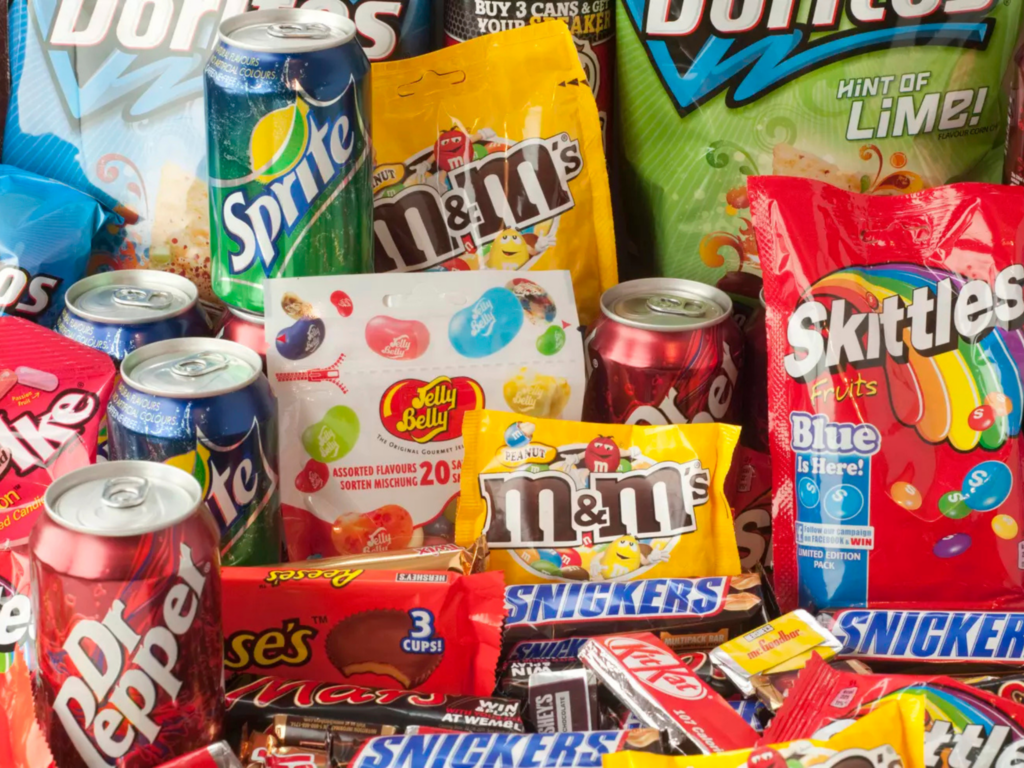
Americans now get 55% of their calories from UPFs, which many experts have linked to a multitude of health ailments (and even premature death). Others, however, argue that this claim is misleading because the category is too broad.
Government data suggests that poor diets add $50B to national healthcare costs every year, and the Non-UPF Program argues that UPFs further exacerbate this burden.
Its evaluation process involves researchers, registered dietitians, policy specialists, food scientists, and healthcare practitioners, and indicates products free from “harmful ingredients”. This includes preservatives that are allowed by the Nova classification’s UPF definition, such as brominated vegetable oil, synthetic nitrites and nitrates, or butylated hydroxytoluene.
Through the certification programme, the non-profit is incentivising purchases of minimally processed foods like produce, whole grains, legumes, nuts and seeds. It’s also looking to inspire food companies to reduce UPF offerings and expand their non-UPF portfolios.
The organisation says it hosts webinars and workshops and provides educational tools to help consumers and healthcare experts identify UPFs, understand their health impact, and adopt measures to cut back.
It further offers a digital platform connecting researchers, healthcare practitioners, dietitians, nutritionists, food industry leaders, and environmental experts to advance UPF research. Currently, the Non-UPF Program is conducting a study with Columbia University’s Teachers College and the Consumer Federation of America to assess dietitians’ attitudes and knowledge surrounding UPFs.
‘Lack of government oversight’ led to advent of non-UPF label
Today, eight in 10 Americans consider whether a food is processed before deciding to buy it, and 63% are avoiding processed foods. This is despite two-thirds being unfamiliar with the term ‘UPF’.
That encapsulates the central issue of the UPF backlash. Experts have warned against connecting processing levels to nutritional efficacy, stating that many processed foods aren’t actually bad for you.
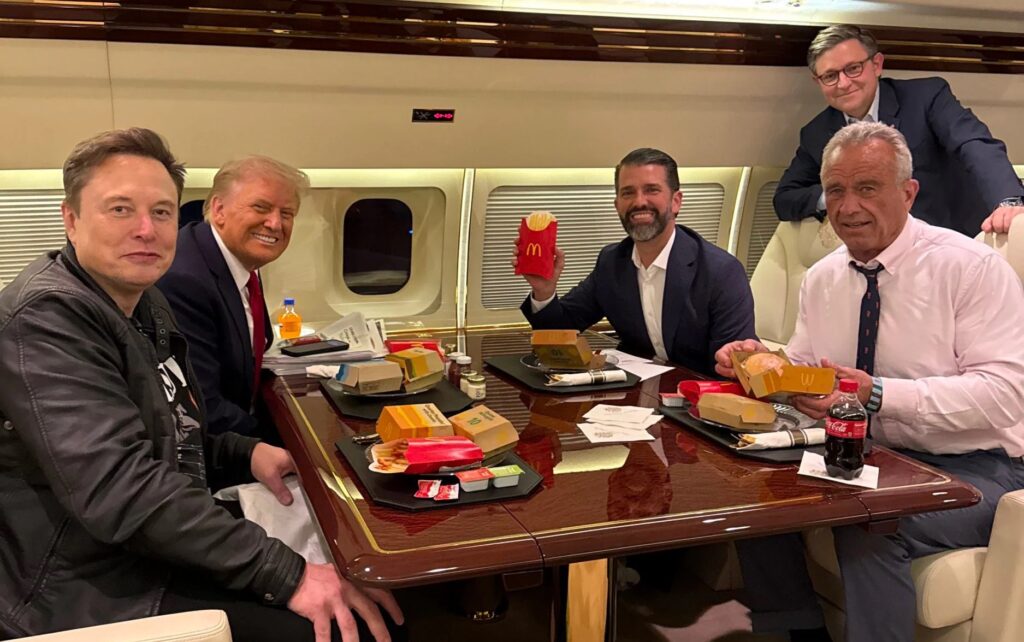
Biased media coverage, the ensuing onslaught on social platforms, and their vilification by Robert F Kennedy Jr have fed consumers misinformation about UPFs. The latter’s Make America Healthy Again (MAHA) movement has further fuelled the pushback against these foods, which include plant-based meat products.
In fact, the Trump administration’s MAHA report in May dedicated an entire section to the impact of UPFs on kids, blaming “decades of policies that have undermined the food system and perpetuated the delivery of unhealthy food to our children”.
The Non-UPF Program points out how many health experts have called on the upcoming national dietary guidelines to address UPFs, suggesting that its certification initiative is stepping in where federal policy has “yet to act”.
“There is a lack of government oversight and transparency in the food we eat, and many additives have not been adequately tested for safety,” said Halas.
That said, several states have imposed restrictions on UPFs, including California, Arizona, Texas, Louisiana, and West Virginia. The US Food and Drug Administration, meanwhile, is working to develop a definition of UPFs, and a citizen petition by the agency’s former commissioner, David Kessler, has asked it to revoke the food safety status of certain UPFs.
The Non-UPF Program isn’t the only organisation that offers such a certification. The Non-GMO Project introduced a Non-UPF Verified label in January, and kicked off a pilot scheme with 16 food and drink brands to develop a verification standard.