

French Govt Invests €3.7M in Nūmi to Scale Up Cell-Cultured Breast Milk

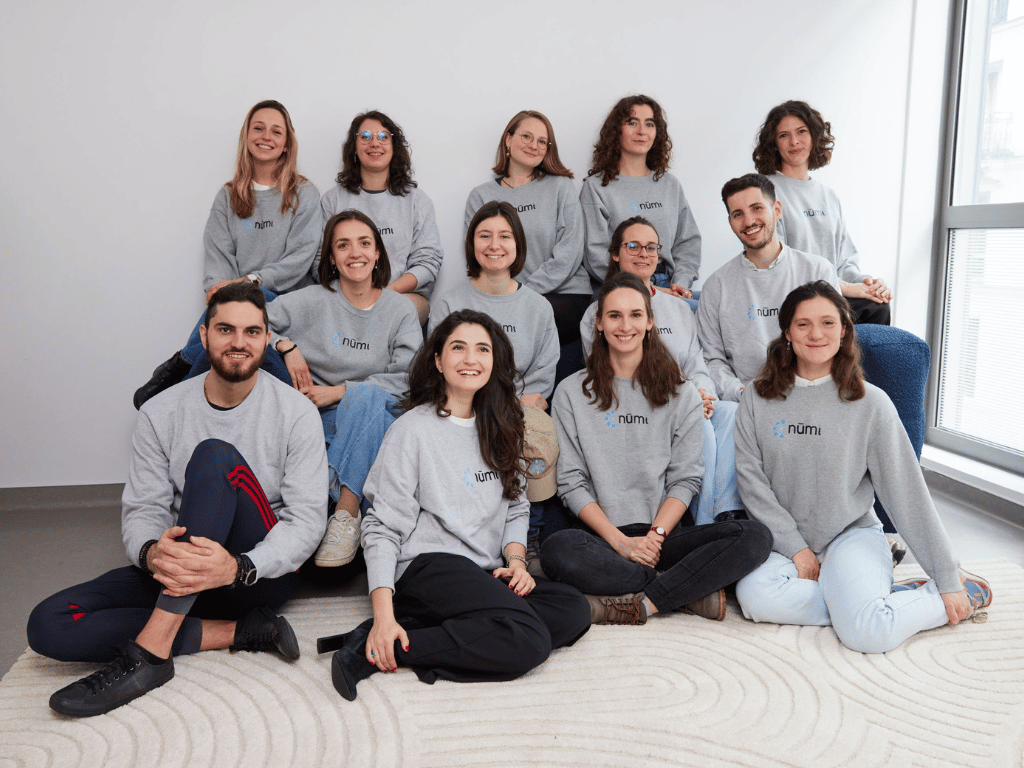
Parisian startup Nūmi, which is developing cell-based breast milk, has secured €3.7M ($4.3M) in non-dilutive funding from the French government after being selected as a France 2030 i-Démo laureate.
French cellular agriculture player Nūmi has been selected in the French government’s i-Démo 5 R&D funding programme, netting €3.7M ($4.3M) in non-dilutive funding to scale up its cell-cultured breast milk.
The financing scheme, part of the €54B France 2030 plan, aims to support companies developing products in high-potential markets “that generate value and competitiveness for [the French] economy while contributing to the energy, ecological, and digital transitions”, according to the award letter sent to Nūmi.
The startup’s Numindus project was chosen by Prime Minister Sébastien Lecornu’s office as an i-Démo laureate, with the investment set to be carried out by state investment bank Bpifrance.
“This funding will help us push the technology further, from scaling our bioprocess to advancing our next generation of human milk bioactives and preparing for industrialisation,” Nūmi co-founder and CEO Eden Banon-Lagrange said in a LinkedIn post.
Nūmi aims to replicate many of breast milk’s 1,500 constituents
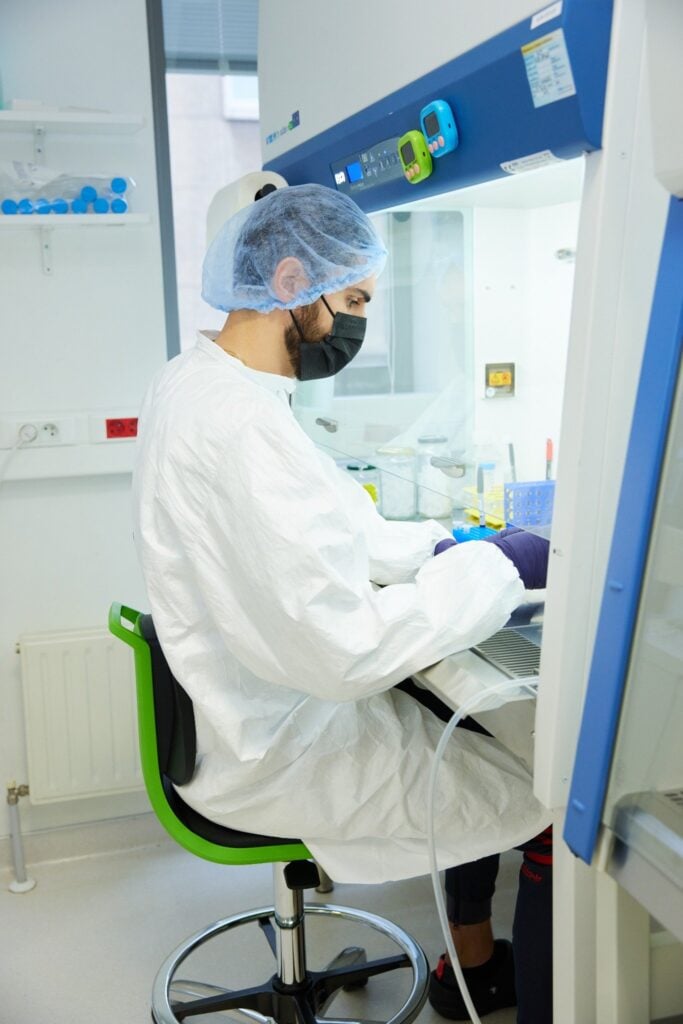
Founded in 2023 by Banon-Lagrange and CTO Eugénie Pezé-Heidsieck, Nūmi uses cell culture tech to recreate the optimal environment for the development of mammary glands and feeds cells with essential nutrients to produce breast milk.
It sources mammary cells through partnerships with hospitals and lactariums, which are isolated and cultivated under controlled temperature and moisture conditions. The nutrients help them kickstart milk production the same way teh hromo prolactin does in the body.
The cells are then separated from the milk using state-of-the-art automated production lines, and the resulting liquid is purified through a multi-step process involving membranes, extraction methods, and chromatography.
Nūmi is looking to replicate as many of the 1,500 constituents found in human milk as possible. These include immunity boosters like lactoferrin, human milk oligosaccharides (HMOs), and antibodies, which are abundant in breast milk and integral to the body’s natural defence mechanisms.
It notes that breast milk’s proteins and fatty acids regulate satiety and can mitigate the risk of developing conditions like diabetes, and that its high concentrations of taurine, DHA, and APA foster optimal brain and neural development.
The startup is aiming to alleviate the pressure felt by new mothers to breastfeed, something the founders observed in their friends and family members, too, who either had challenges breastfeeding or faced stigmas when deciding not to.
About 5-10% of women are physiologically unable to breastfeed, but many more say they’re not producing enough or have nutritional deficiencies in their milk. In 2019, a study of 552 mothers found that about 70% experienced breastfeeding difficulties (mostly within the first month) like “cracked nipples, perception of insufficient amount of milk, pain and fatigue”.
In fact, most of the world’s 130 million babies born annually are fed infant formula at some point. But roughly 2-3% of them are allergic to cow’s milk, and up to a sixth suffer from some kind of discomfort, according to parental reporting.
Moreover, infant formula falls short of breast milk nutritionally, particularly in the lack of bioactive compounds that boost immunity, digestion and long-term wellbeing. Nūmi positions its cultivated breast milk as a superior alternative to conventional formula, which has also been linked with gastrointestinal infections and childhood obesity.
French govt funding follows EU grant
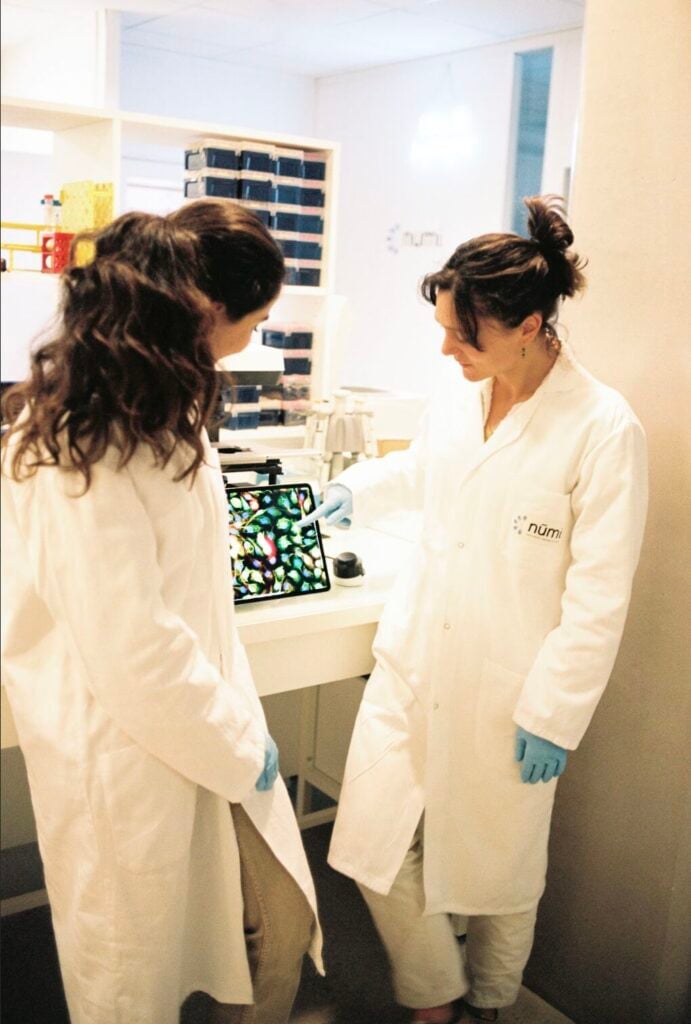
France’s i-Démo scheme is designed to help companies progress through their entire innovation cycle, from the early phases of industrial research to the advanced stages of tech development and pre-industrialisation.
Nūmi’s selection was part of a call for projects that aligned with the France 2030 plan to manufacture at least 20 biopharma products domestically, as well as innovative medical devices.
Banon-Lagrange called the recognition “a major recognition of what our team has been building over the past three years: a new biomanufacturing platform using mammary cells to produce some of the most unique bioactive ingredients found in human milk”.
And earlier this year, the startup expanded in-house production of its breast milk to 50-litre bioreactors, a scale at which the same constraints that define industrial production – oxygen transfer, agitation parameters, shear stress, and process control – are already present.
Nūmi was also named in Wired’s 2026 list of the 100 Hottest Startups in Europe, and won PeakBridge and PariSanté Campus‘s Shaping the Future of Health and Nutrition competition.
The French state funding comes months after the startup won a €2.5M ($2.9M) grant from the European Innovation Council’s accelerator programme. It has previously raised $3.2M in equity funding.
US-based 108Labs, for its part, is developing cultivated breast milk, while Canada’s Opalia, Israeli firms Wilk and Accellta, Germany’s Senara, and Indian-American startup Brown Foods are using the technology to recreate cow’s milk.
Meanwhile, others are working on precision-fermented human lactoferrin, including New York-based Helaina, Australia’s All G, Portugal’s PFx Biotech, China’s Guoke Xinglian, and Canada’s Pinnacle Food Group.