

Swapping Processed Meat with Plant-Based Alternatives Boosts Health, Show Two Studies


Replacing processed meat with plant-based analogues – even if they’re ultra-processed – has been found to increase fibre and reduce saturated fat intake in two new UK studies.
The outcry over the omnipresence of ultra-processed foods (UPFs) in our diets has adversely affected one key category: plant-based meat.
Products that rose to fame as healthier alternatives to animal protein – with lower saturated fat, more fibre, and zero cholesterol – have come to be vilified as bad for your health because they’re too processed.
In the UK, this has led to a shift towards whole-food options, with several meat alternative companies diversifying their lineups to meet these needs, including This and Juicy Marbles.
However, experts have cautioned against associating the amount of processing a food goes through with its nutritional value, since the definition of UPFs is too wide – after all, a pack of Oreos doesn’t have the same effect on your body as a loaf of whole-grain bread from the supermarket.
There is consensus, however, that processed meats are detrimental to human health. A review of over 70 studies last year found that no amount of processed meat is safe, with even small intakes linked to greater risks of developing heart disease, colorectal cancer, and type 2 diabetes.
Now, two new studies from the London School of Hygiene and Tropical Medicine reinforce what nutritionists have been saying for years: plant-based alternatives offer meaningful dietary improvements compared to processed animal meat, thanks in large part to the fibre content.
Plant-based meat doesn’t have the typical nutrient profiles of unhealthy UPFs
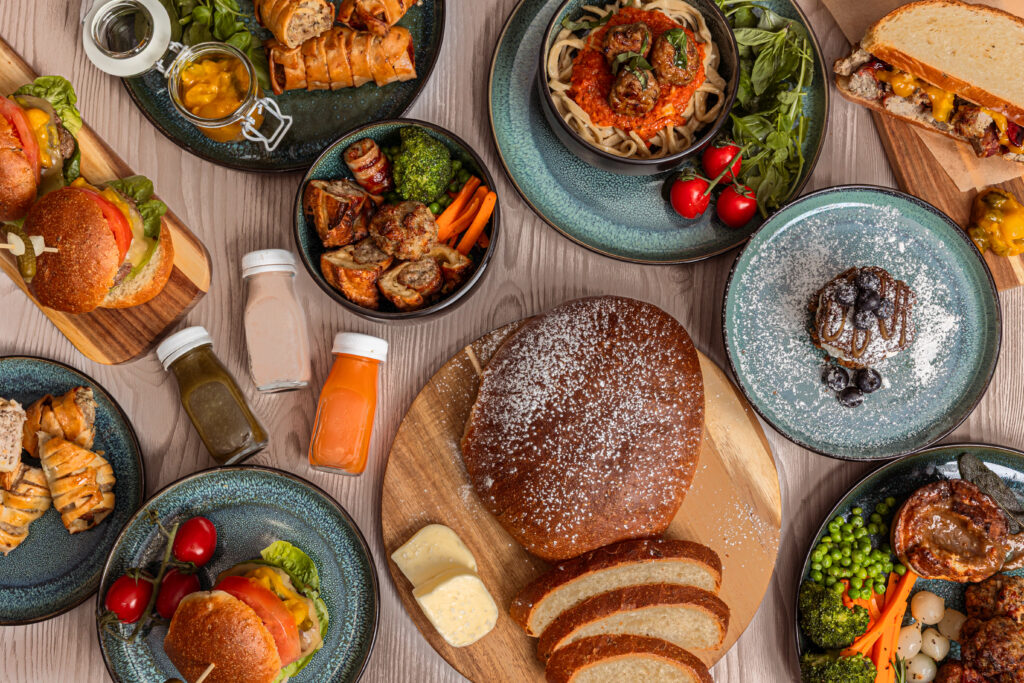
The first of these studies, published in Current Developments in Nutrition, assessed the impact of replacing processed meat with the most popular, nutritionally balanced, or affordable plant-based meat products in the UK.
They found that this swap can increase overall fibre intake by 4-6%, while reducing saturated fat by 6-7% and salt by 3-4%. In fact, all the evaluated plant-based meat products had ‘healthy’ nutritional profiles, as defined by the UK Food Standards Agency’s Nutrient Profiling Model.
While previous research has found vegan alternatives to have a significantly better nutritional profile than processed meat, this is the first analysis that confirms the difference is large enough to make a meaningful difference across the overall diet.
And the fibre benefits are notable, given that 96% of Brits don’t eat enough fibre, a nutrient that can lower the risk of heart disease, type 2 diabetes, and certain cancers. This is why it has been the focus of nutrition apps like Zoe, documentaries such as Netflix’s Hack Your Health, and the 30-plants-a-week movement, spawning online movements like fibremaxxing and fibrelayering.
The rise of GLP-1 drugs has further contributed to this boom, since dietary fibre can help trigger the body’s natural GLP-1 response and improve gut health. More than 1.5 million Brits now use a weight-loss medication, a share that nearly doubled between 2024 and 2025.
At the same time, 81% of UK adults exceed the recommended daily intake of saturated fat, a primary driver of heart disease. Processed meats like bacon, hot dogs, and ham have more elevated amounts of saturated fat.
The researchers revealed that despite being classed as ultra-processed, most plant-based meat products don’t have the typical nutrient profiles of unhealthy UPFs (which are high in salt, sugar and fat). “On the contrary, some products even increased the intake of beneficial dietary components such as fruits, vegetables, and hence fibre,” they wrote.
“Plant-based whole foods should be prioritised, but plant-based meat and dairy alternatives, when carefully selected, can serve as a key transitional bridge to transform food systems,” said lead author Sarah Nájera Espinosa.
“Without policies to improve the affordability of plant-based meat alternatives, such shifts on a population level are unlikely, missing an opportunity to drive progress towards net-zero and health targets.”
The study further found that while non-dairy milks and yoghurts were cheaper than their conventional counterparts, meat analogues remained more expensive, and efforts are needed to make them more affordable.
Manufacturers should prioritise fortification over short ingredient lists
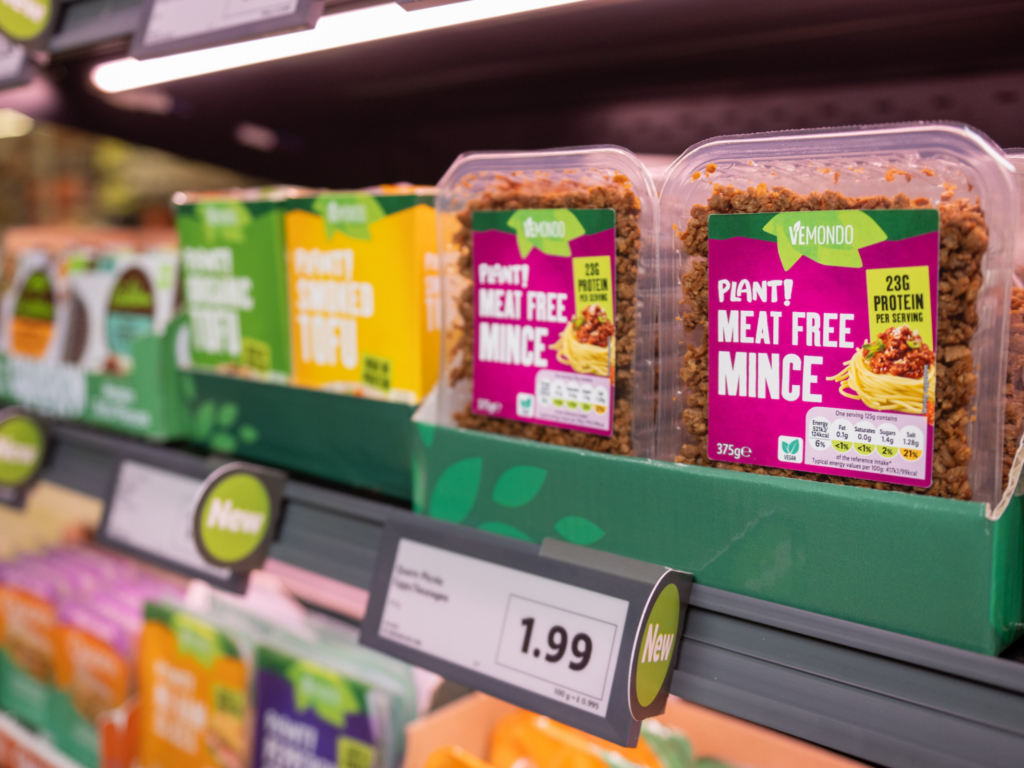
The second paper, published in Proceedings of the Nutrition Society today, also found that plant-based alternatives contain more fibre and less saturated fat than conventional meat on average.
Conducted by the same researchers, the study suggests that fortifying vegan meat and dairy products with essential vitamins and minerals could help them match or even exceed the micronutrient levels of animal protein.
But manufacturers are inconsistent on this front, and some are deterred from fortifying their products to keep their ingredient lists short. This means the nutritional quality of plant-based meat varies across products.
The introduction of national guidelines can improve consistency. For instance, the voluntary standards for meat alternatives in the Dutch healthy eating guidance have led to more than three-quarters of local products being fortified with micronutrients.
The researchers said companies should fortify their offerings with micronutrients commonly found in conventional meat and dairy, like iodine, calcium, iron and vitamin B12. But they could also go further by using vegan products to provide other essential nutrients lacking in animal proteins as well as British diets, such as fibre.
Espinosa, who led this study too, said more actions on fortification standards would enhance plant-based meat’s reliability as a direct replacement for animal protein, support enhanced product development, and inform dietary guidelines, while also “guiding consumer and food procurement decisions”.
Reacting to the new studies, Amy Williams, nutrition lead at the Good Food Institute Europe, said: “Public health bodies should introduce guidelines to ensure these foods consistently provide a reliable source of micronutrients, while retailers and manufacturers must expand efforts to ensure they are affordable and appealing.”
She added: “Many people want to follow healthier and more sustainable diets, but find it hard to do so long term because the available options are often more expensive or less convenient.”
The industry is already making some strides here. The continued rise in meat prices has created a retail environment where several vegan alternatives are now priced the same, and some are even cheaper. It’s no surprise, then, that after a period of declining sales, volume demand for chilled plant-based food rose by nearly 1% across UK supermarkets in 2025, increasing to 1.7% in the final quarter of the year.