

UK Startup Fermtech Gets $3.3M to Make Climate-Friendly Cocoa Alternative from Waste & Fungi

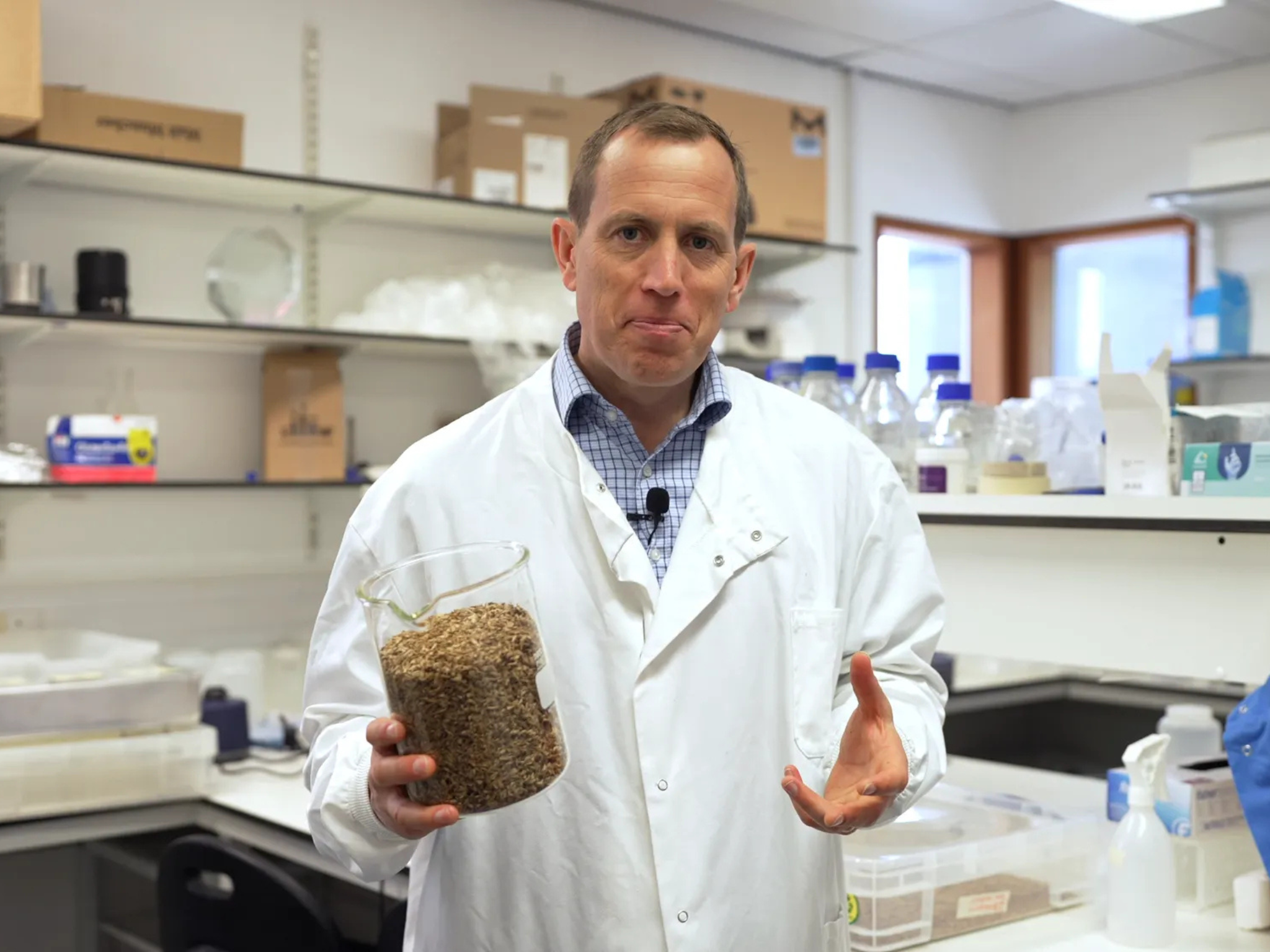
UK food tech firm Fermtech has raised £2.5M ($3.3M) to scale up production of Koji Cocoa, a planet-friendly ingredient derived from cocoa shells and fermentation.
Big Chocolate is going big on cocoa alternative startups, whether they’re substitutes made from other plant-based ingredients or bioidentical, cell-cultured versions. One company, however, is going straight to the source.
Based in Oxford, Fermtech has developed an ingredient derived from the sidestreams of cocoa production that otherwise go to waste, using fermentation to turn them into a cheaper cocoa replacement with far fewer emissions.
The startup has just secured £2.5M ($3.3M) in a funding round led by Elbow Beach (which alone invested £2M/$2.6M), with additional participation from Carbon 13 and Empirical Ventures.
It will use the capital to scale up and commercialise its Koji Cocoa ingredient in the UK and beyond, hoping to alleviate the climate-change-induced trials of the global chocolate industry.
Valorising waste with an age-old fungal strain
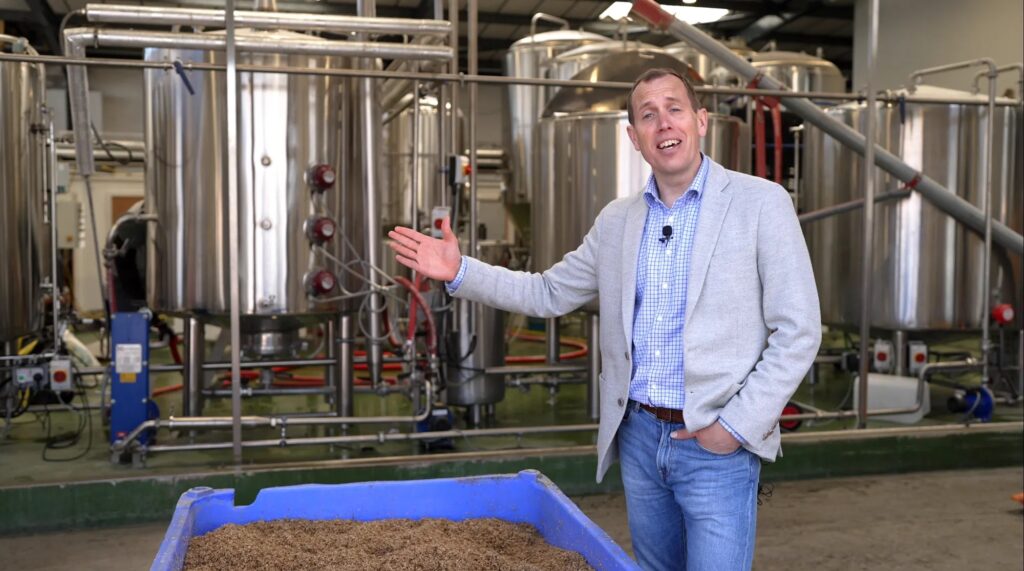
Cacao is one of the world’s most underutilised fruits – an estimated 70% of it is thrown away during cocoa and chocolate production, including the outer shells, husks and pulp. But valorising these byproducts can increase outputs and open up a new income stream for farmers, revive degraded landscapes, and lower overall emissions.
Plus, cacao is a superfood that contains flavonoids and regulates blood pressure, prevents clots, and enhances blood flow to the brain and heart – so utilising the discarded parts contributes to healthier diets too.
Fermtech is using a solid-state fermentation process to turn cacao husks and shells into a cocoa powder alternative. It does so with the help of koji, a fungal strain that forms the base of several food staples, such as miso, shoyu and mirin, and alcoholic beverages like shochu and soju.
Koji Cocoa is described as a “true-tasting”, clean-label replacer that preserves the natural flavour, colour and texture of conventional cocoa, while breaking down indigestible components into nutritious, soft ingredients.
It allows manufacturers to replace cocoa in a variety of applications, from brownies and cookies to fillings, ganaches, and chocolate bars. Fermtech’s innovation enables a stable supply of “cocoa-equivalent” ingredients that are less susceptible to the environmental shocks that have rocked the cocoa industry.
“Innovation in food has to be about great tasting, nutritious products, produced affordably,” said Fermtech founder and CEO Andy Clayton. “Fermtech has been committed from the start to extending the value we get from our crops, using the power of biology to unlock flavour and nutrition. This investment allows us to scale our production and get delicious foods into consumers’ hands.”
Cocoa alternatives piquing investor interest amid supply volatility
Aside from the waste valorisation of it all, Fermtech’s ingredient offers a solution to an embattled industry. Climate change pushed cocoa stocks to their lowest levels in a decade and prices to all-time highs in 2024.
Extreme weather and crop diseases are hitting plantations hardest in the Ivory Coast and Ghana, the two largest cocoa producers, which have already lost over 85% of their forest cover since 1960. And scientists warn that a third of the world’s cocoa trees could die out by 2050.
To make matters worse, producing chocolate emits more greenhouse gases than any other food except beef, and the industry is linked to widespread tropical deforestation. Fermtech’s Koji Cocoa, however, enables a 98% reduction in emissions and requires no additional farmland, while trimming costs for chocolate and baked goods by 25-33%.
“Fermtech is creating sustainable, scalable ingredients that reduce environmental and social impact and pioneer a circular economy approach benefiting food producers, consumers, and the planet,” said Elbow Beach CEO Jonathan Pollock. “By significantly reducing input costs and improving supply chain resilience, Koji Cocoa supports adoption at scale.”
The company is already in talks with companies in the global confectionery, bakery and snacking categories, which it says are looking to manage cost volatility, reformulate or reduce cocoa usage and move to lower-carbon ingredients.
It is among a number of startups that have recently attracted investment for their cocoa alternatives. Last month alone, Brazil’s Cellva raised $4M for its coffee-waste-derived cocoa and Italy’s Foreverland secured $7M for its carob-based Choruba chocolate.
Planet A Foods, Voyage Foods, Foreverland, Win-Win, and Prefer are all innovating with cocoa-free chocolate too, while California Cultured, Food Brewer, Celleste Bio, and Kokomodo are developing cell-based cocoa – these startups are working with industry giants such as Nestlé, Lindt, Barry Callebaut, Cargill, and Mondelēz International.