

Celeb-Favourite Vegan Sushi Chain Planta to Wind Down Despite Revival Attempts

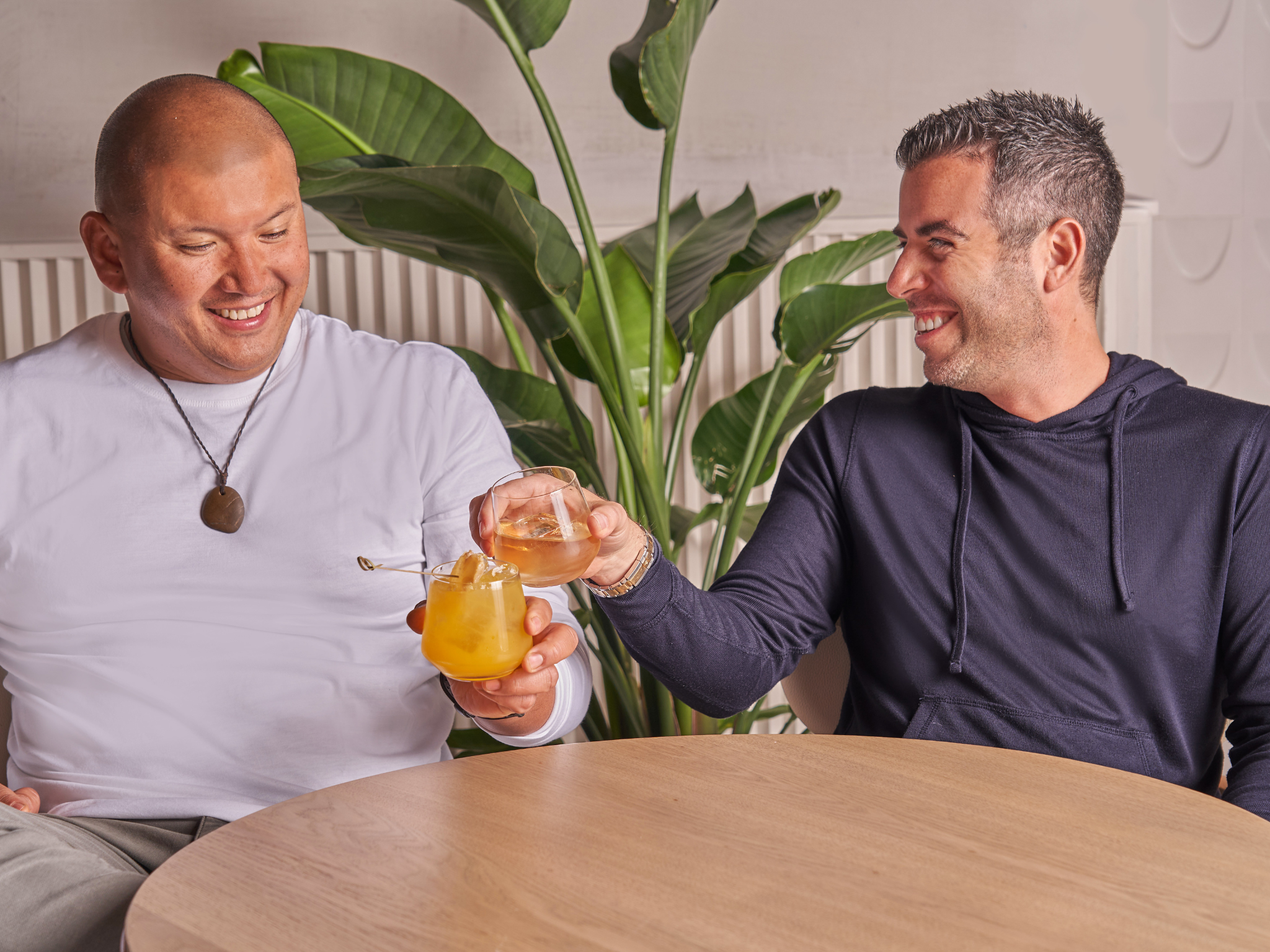
Planta, a pioneer in the North American plant-based restaurant industry, has been forced into liquidation after attempts to resurrect the sushi chain were unsuccessful.
In one of the biggest markers of the struggles faced by plant-based restaurants today, sushi chain Planta is set to shut down.
The 10-year-old company has had a troubled year, after filing for Chapter 11 bankruptcy protection last May, before being acquired by Anchorage Capital Group in a $7.8M deal that converted most of its debt into equity.
However, the business’s attempts at reorganisation were thwarted by potential litigation issues around the conduct of former directors and officers, and it essentially ran out of funding.
In February, the restructuring committee requested that the bankruptcy be converted into a Chapter 7 liquidation, signalling an end to its revival efforts. A Delaware judge approved the request this month, meaning Planta will now wind down and sell off its remaining assets.
Planta fell victim to Covid-19 challenges and aggressive expansion
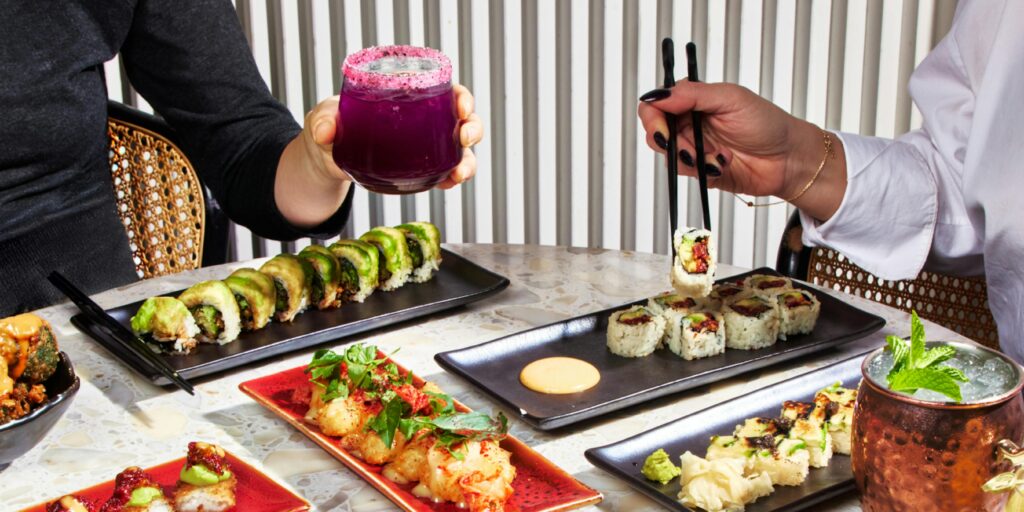
Founded in 2016 by Steven Salm and David Lee, Planta and its sister Asian brand, Planta Queen, became leading players in the vegan restaurant scene, with an extensive menu featuring dishes such as braised kimchi fried rice, dan dan noodles, pepper steak lettuce wraps, poke bowls, and a take on beef and broccoli.
It was best known for its fish-free sushi offerings, which included unagi eggplant nigiri, hand rolls with spicy watermelon tuna or crab made with hearts of palm, and rolls such as Red Dragon (with carrot salmon), Torched & Pressed (with avocado, miso and truffle), and Firecracker (with Japanese sweet potato and unagi).
At its peak, Planta operated 18 restaurants across the US and Canada, and emerged as a celeb hotspot, becoming a favourite among the likes of Bella Hadid, Hailey Bieber, Pharrell Williams, Mark Wahlberg, and Vanessa Hudgens, among others.
Its success led sales to grow from $3.5M in 2016 to over $46M in 2024, but the disruption brought by the Covid-19 pandemic brought things to a head. As the restaurant industry battled lockdowns, rising labour and food costs, and the subsequent slowdown in consumer spending on dining out, Planta’s troubles were compounded by its decision to construct 12 new restaurants in three years.
It raised capital three months before the onset of Covid-19, and this led to a significant delay in expansion given its commitment to leases and inability to complete construction, secure materials and hire staff. “These delays to expansion ultimately triggered inefficiency and reliance upon quick capital for the business to grow into its footprint of signed leases,” Salm explained in the bankruptcy filing.
The document listed assets of only $50,000-100,000, compared with liabilities between $10M and $50M. The Chapter 11 petition was intended to help Planta restructure operations, a decision that saw it close nearly half of its restaurants over the next few months.
Restaurants (and not just plant-based ones) are struggling to stay open
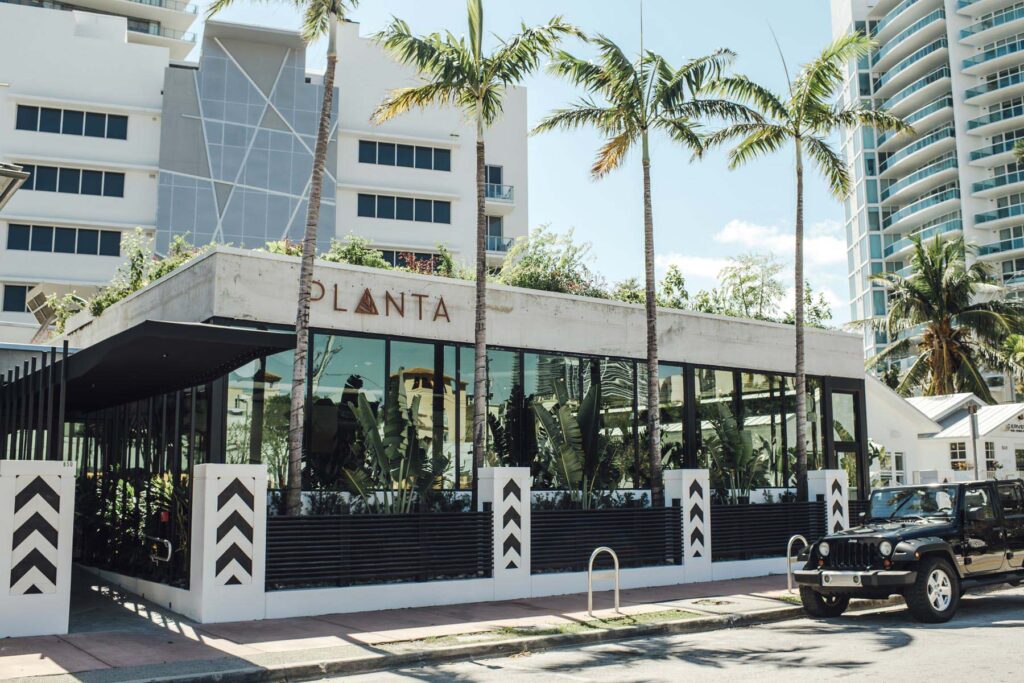
In August, Planta was bought out of bankruptcy by Anchorage Capital Group, which announced that the company would continue to operate eight of its locations across the US and Canada, including in New York City, Los Angeles, Chicago, and Toronto.
In the end, restructuring efforts were unsuccessful: the business ran out of capital and was left with “no other option”, according to Law360.
Unlike Chapter 11 bankruptcy, where trustees aim to find a path for companies to continue operating, a Chapter 7 filing involves closing the business and selling off all non-exempt assets and using the proceeds to return money to creditors.
Planta is far from the only meat-free restaurant to have endured this fate. Kevin Hart’s Hart House, Leonardo DiCaprio- and Lewis Hamilton-backed Neat, Matthew Kenney’s Veg’d, and pioneering fast-food chain Amy’s are just some of the companies to have shuttered all their locations.
Some have even added meat back to their menu, including three-starred eatery Eleven Madison Park, to mixed success. Sage Regenerative Kitchen, for instance, closed shortly after it made this transition. It’s a move Planta was also considering.
Rising costs, shrinking margins, and shifting consumer habits aren’t just challenges plaguing vegan restaurants. In the US, three in five restaurant operators reported a decline in traffic in 2025, and 45% were unable to turn a profit. Analysis shows that a higher share of non-vegan restaurants closed in 2025, compared to the percentage of plant-based eateries that reached the end of the road.
For instance, Denny’s shuttered 70-90 stores last year, Papa John’s closed 62 (plus another 111 globally), and Jack in the Box shut 80-120 (with more to come this year). Likewise, in 2026, Pizza Hut will close 250 locations, and Starbucks and Wendy’s will bid adieu to over 500 of their sites.
This isn’t to say that the plant-based industry doesn’t face hurdles – it clearly does. Sales of meat alternatives have fallen by 26% in the last two years, and many companies have ceased operations, including several focused on alternative seafood, such as Hooked Foods, Aqua Cultured Foods, Olala!, Konscious Foods, Upstream Foods, and Vegan Finest Foods.