

Swedish Plant-Based Meat Startup Hooked Foods Calls It Quits Amid Sector Slowdown

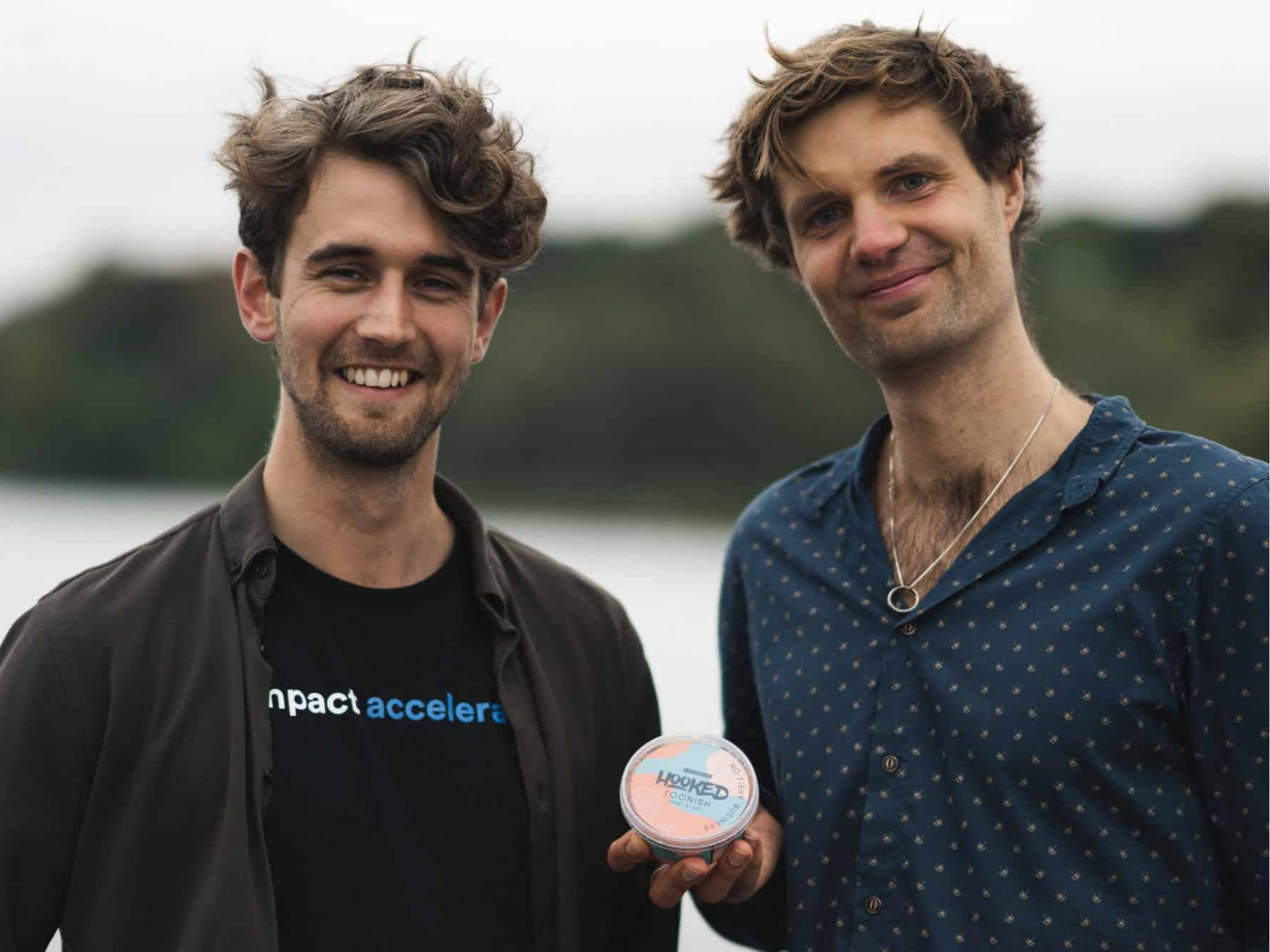
Swedish plant protein startup Hooked Foods, known for its vegan seafood and chicken products, has declared bankruptcy after running out of cash.
Hooked Foods, a Stockholm-based producer of meat and seafood analogues, has become the latest casualty in the plant-based food sector.
The startup has shut down after declaring bankruptcy, less than a year after its latest (albeit modest) fundraise. Co-founder and CEO Tom Johansson announced the development on social media, reflecting on what he called a “tough but amazing ride”.
“We set out to solve a hard problem: making protein production better for people and planet. We pushed further than many think is possible with real products, real customers, real production and real innovation,” he said.
The closure follows a few turbulent years for the business, which faced production and supply challenges, coupled with the wider investment and consumer-level trials of the plant-based industry.
Co-manufacturer struggles had a knock-on effect
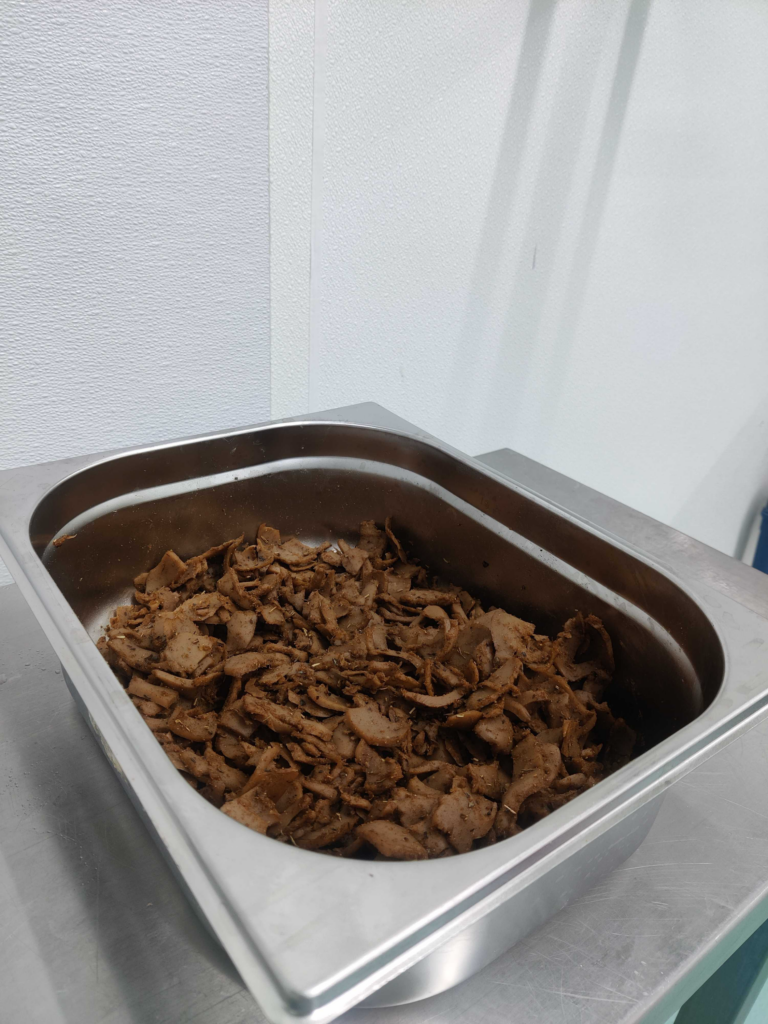
Johansson founded Hooked Foods in 2019 with Emil Wasteson and Peter Liu, with the brand making its name as a producer of plant-based tuna and salmon. It later expanded with a line of vegan chicken products, including bites, fillets, and kebabs.
These products were available in around 500 retail stores in Sweden, as well as some of Germany’s largest supermarkets. Hooked Foods had even partnered with 7-Eleven and several kebab restaurant chains in its home country.
Last year, the company began investing in artificial intelligence (AI) to optimise logistics, production, sales and marketing by forecasting demand, reducing waste, and enhancing its supply chain. It raised 8.4 million kronor ($830,000 at the time) to do so, taking its total funding past $6M.
Despite all this progress, Hooked Foods faced a host of challenges, beyond just a cash crunch in a declining market. One of its manufacturing partners in Portugal went bankrupt, affecting its production for a third of the year (though it maintained steady monthly revenues throughout this period), and a new distributor in Germany announced it would be closing shortly after.
Paired with the waning consumer demand for plant-based meat and seafood, the situation became untenable for Hooked Foods. “We have the best products we have ever had, but unfortunately, the market has not responded to them,” Johansson told Breakit.
“It’s a difficult business model; we can’t act as quickly as we want with production, and the margin is quickly eaten up by the traders.”
Consolidation continues in the alternative protein category
Hooked Foods’ closure reflects the ongoing struggles of the plant-based sector, with meat and seafood analogues still falling short of delivering many consumers’ taste and texture expectations, while getting the short end of the stick with the pushback against ultra-processed foods (UPFs).
Two in five Europeans already actively avoid UPFs. And among people who want to make changes to their diet, 60% are looking to reduce their intake of processed foods.
That has led many companies to pivot and diversify into minimally processed, whole-food-forward options instead. Germany’s Happy Ocean Foods, for instance, scrapped its seafood alternative lineup altogether to offer clean-label functional plant protein bases for the foodservice industry.
Austrian mycoprotein player Revo Foods shot to fame with its 3D-printed salmon and other seafood analogues; however, it expanded its portfolio with fillet and mince products that it said at the time didn’t intend to mimic meat. In the UK, too, plant-based meat startups This and Juicy Marbles have introduced whole-food options.
While Hooked Foods had also changed course with the move into plant-based chicken, it’s now among the dozens of alternative protein players that have either been acquired, fallen into liquidation, or shut down since September 2024. In the seafood category, France’s Olala!, Dutch startups Upstream Foods and Vegan Finest Foods, and Chicago-based Aqua Cultured Foods all reached the end of the road in this period.
Johansson alluded to these struggles in an interview with Green Queen after last year’s raise. “When the total plant-based meat market is not growing as strongly, it takes a large amount of resources to grow the vegan seafood market – resources we do not have at the moment,” he said.
“The market growth has slowed and big leading players such as Oatly and Beyond Meat have performed very badly on the stock market. This scares the general investors that were interested in this space before, and with less demand, there are lower valuations and less capital available to raise.”