

UK’s Fastest-Growing Plant-Based Dairy Brand Enters the Protein Powder World

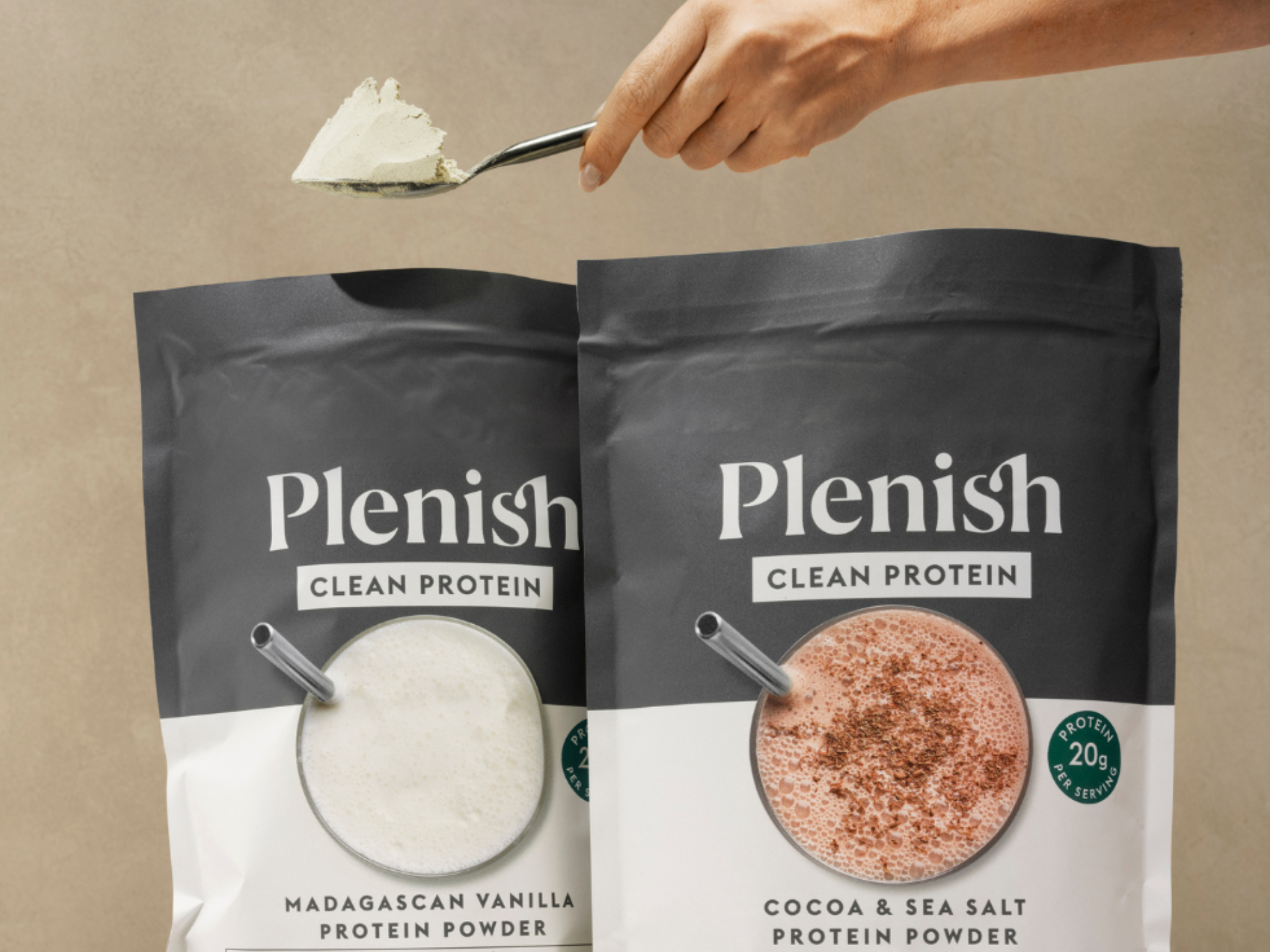
Carlsberg Britvic-owned Plenish has expanded its clean-label plant-based portfolio with two pea protein powders, tapping into the UK’s growing protein market.
British dairy-free milk brand Plenish is building on its clean-label philosophy with a move into the food industry’s hottest category: protein.
The company has introduced Clean Protein, a two-strong line of plant protein powders made with just seven ingredients. They pack 20g of protein per serving, with no additives or non-sugar sweeteners. Available in Madagascan vanilla and cocoa-sea salt flavours, the powders also carry a fibre claim.
This is in line with protein and fibre sales in the UK, which jumped by nearly 10% and 14%, respectively, in the 26 weeks to January 24, according to NielsenIQ.
“Consumers using protein powders want to hit their protein goals while keeping things simple, and enjoying added benefits like fibre, without having to compromise on taste,” said Russell Goldman, managing director of Carlsberg Britvic’s Breakthrough Brands division. “Our new protein powders deliver exactly that, staying true to our mission of ingredient transparency and great-tasting products.”
Embedding into the demand for protein and fibre
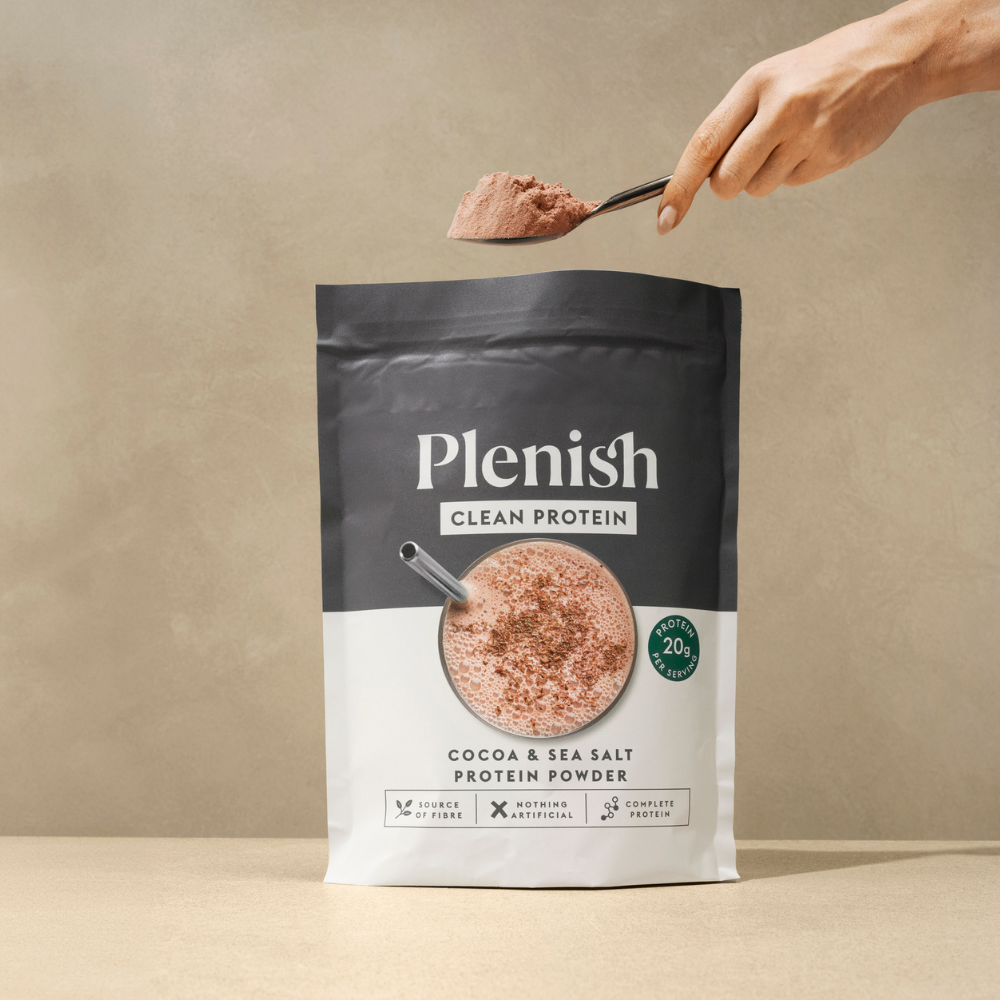
Plenish’s Clean Protein powders have a base of pea protein isolate and fava bean protein, which are blended with Jerusalem artichoke inulin, light brown sugar, natural flavourings, and – depending on the flavour – vanilla extract and cinnamon powder, or fat-reduced cocoa powder and sea salt.
They boast a complete amino acid profile, which Plenish says will help support muscle maintenance and growth. They are also marketed as a source of fibre (though one serving offers less than 1g of dietary fibre).
These claims align with what consumers are looking for in their food today. Over two in five (43%) Brits increased their protein intake between 2024 and 2025. And this year, 14% are looking to add more protein to their diets, while 13% want to eat more fibre.
The rise of GLP-1 drugs has contributed to this boom – more than 1.5 million Brits now use a weight-loss medication, a share that nearly doubled between 2024 and 2025.
Dietary fibre can help trigger the body’s natural GLP-1 response and improve gut health. Plus, users of weight-loss medications experience a 25-40% decrease in muscle mass over 8-16 months (several times greater than non-medicated weight-loss approaches and age-related muscle loss), making protein an important dietary tool.
It’s why supermarkets across the UK have come out with dedicated GLP-1 ranges that offer high-protein, high-fibre options, including M&S, Morrisons, Co-op, Asda and Ocado. Tesco has said it is closely monitoring this space too.
Plenish makes play for clean-label market
Plenish is betting big on its clean-label approach, noting how the plant-based protein market is set to reach around $35B in value by 2035, though it “remains dominated by products that compromise on taste, texture or ingredients”.
It says its protein powders directly address this gap by “delivering great taste, multiple nutritional benefits, and an ingredients list consumers can trust”. Indeed, according to Tastewise, clean labels are no longer a bonus. Rather, they are a baseline for food products in the UK, where 58% of consumers now choose ‘all-natural ingredients’ over any other claim.
Previous research has predicted that 70% of the UK’s food and drink supply will be made up of clean-label products by this year. This has been accelerated by growing concerns about ultra-processed foods (UPF), which have further reinforced the idea that shorter ingredient lists make for healthier products (though it isn’t as simple as that).
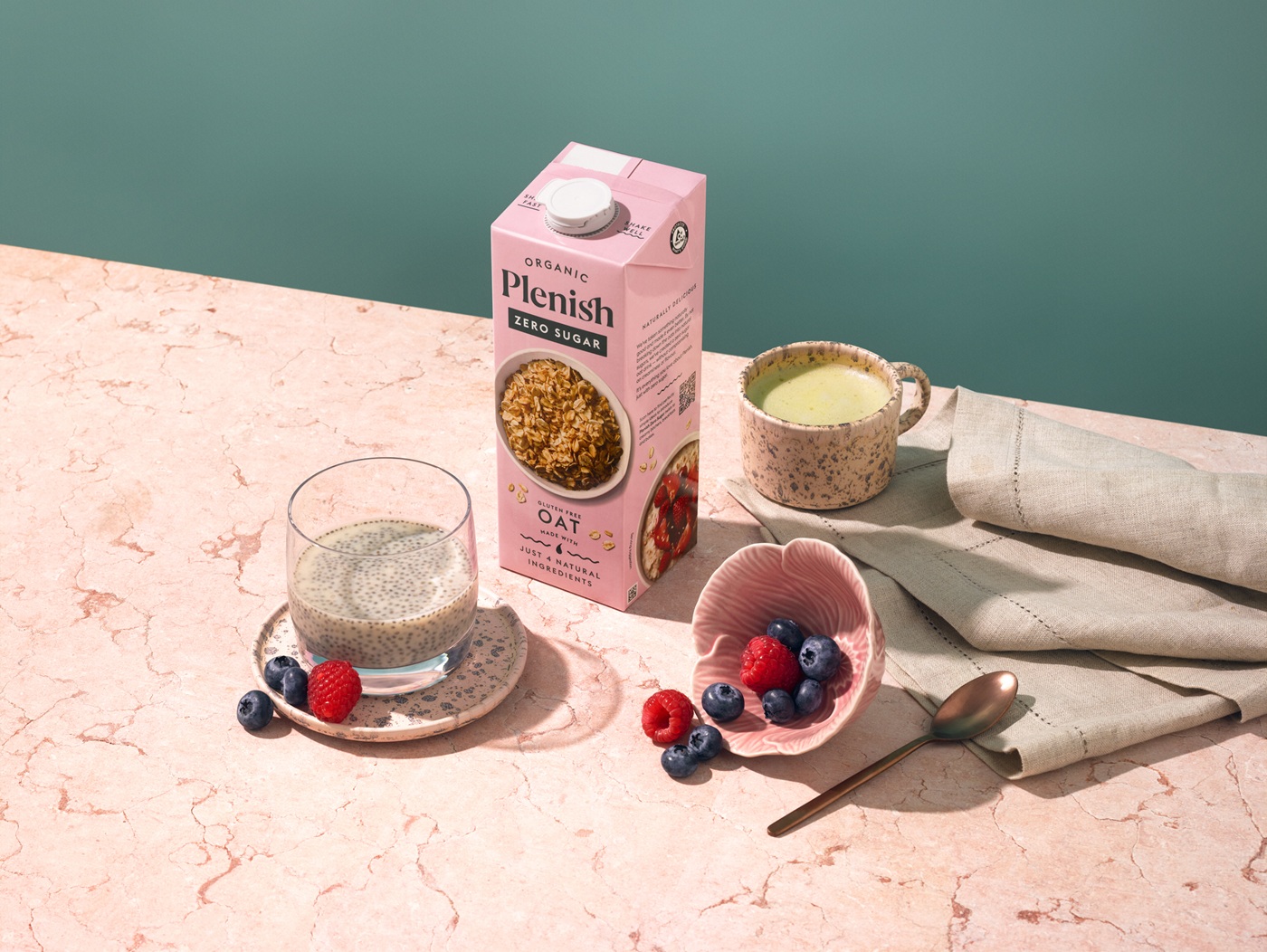
Plenish, the UK’s fastest-growing plant-based dairy brand, has been banking on this health trend – last year, it rolled out an oil- and additive-free oat milk with zero sugar, using a process that avoids breaking down oats into natural sugars.
“We know today’s consumers expect more from their wellness products and want multiple health objectives in a single product,” said Goldman. “This launch is an exciting milestone for Plenish, and we can’t wait to see how it elevates everyday wellness routines for our consumers.”
Several plant-based brands have introduced whole-food formats to escape the UPF conversation in the last year. This launched the This is Super Superfood line and a chickpea tofu range with Omami, Oh So Wholesome rolled out Veg’chop, Juicy Marbles came out with a veg-forward Umami Burger, and Symplicity Foods debuted its fermented-vegetable-based meat alternatives at Waitrose.