

RFK Jr Asks Hospitals to Prioritise Non-UPF Proteins, Including Plant-Based Options

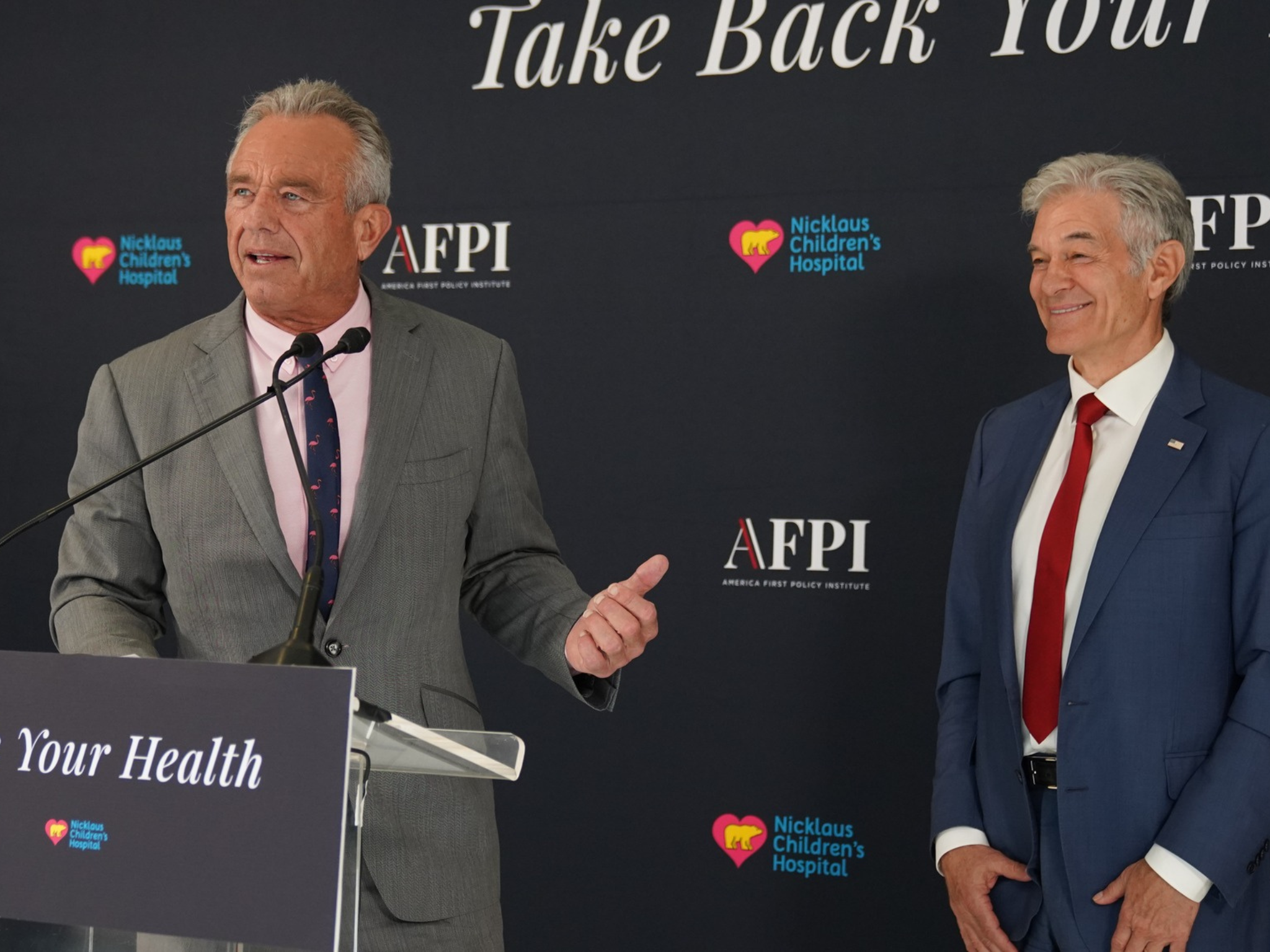
US health secretary Robert F Kennedy Jr has directed hospitals to align their food purchases with the dietary recommendations or risk losing funding – but unlike the guidelines, the fine print is in favour of plant-based proteins.
Follow the government’s dietary advice, or lose access to funding – that’s the ultimatum the US Department of Health and Human Services (HHS) has given to hospitals.
In a new memo, the Centers for Medicare & Medicaid Services (CMS) has asked healthcare institutions to use the new Dietary Guidelines for Americans (DGAs) to “inform patient nutrition services and related hospital protocols”.
Speaking at a press conference in Miami, HHS secretary Robert F Kennedy Jr instructed hospitals to “align their food purchases with the dietary guidelines in order to enjoy continued eligibility for Medicaid and Medicare payments”.
Mandating compliance with the updated DGA may be controversial, though, considering the backlash they have received from nutrition and health experts across the US. With the ‘Eat Real Food’ slogan, the document ignored the recommendations from its original scientific committee to prioritise plant-based proteins.
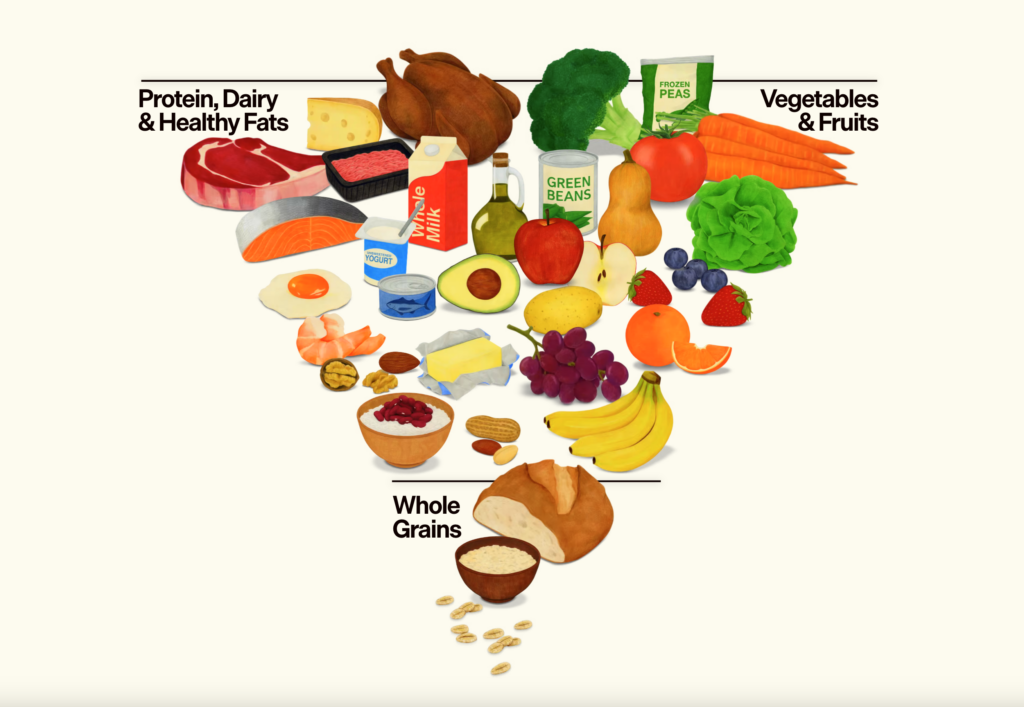
Instead, the guidance endorsed the consumption of red meats like beef and pork, returns whole milk to the spotlight, and promotes butter and tallow, despite advising Americans to keep saturated fat intake under 10% of total calorie intake.
However, the CMS memo takes a much more measured approach, asking hospitals to take an axe to ultra-processed foods (UPFs) and processed meats, and prioritise minimally processed proteins, “including plant-based options”.
HHS memo mellows dietary guidelines’ meat emphasis with whole-food advice
The headline directive in the HHS’s memo to hospitals is to limit UPF options for patients, in line with the objectives of the Make America Healthy Again (MAHA) movement.
UPFs have become central to food policy discourse in the US, with efforts to curb their consumption supported by members of both parties. The Food and Drug Administration is developing a definition of UPFs to encourage companies to label their products as ‘non-ultra-processed’. California is considering creating an on-pack anti-UPF seal and has begun phasing out UPFS from school meals.
Meanwhile, a MAHA-aligned non-profit paid $8M to air a highly controversial Super Bowl ad attacking UPFs. It starred boxer Mike Tyson, who has been convicted of rape (for which he served a three-year term in prison) and has a history of domestic violence.
Americans now get 55% of their calories from UPFs, and this rises to 67% for children. Many experts have linked these to a multitude of health ailments (and even premature death). These products now top their list of health concerns – 72% of them are trying to avoid these products in their diets, and 79% feel they’re a “significant threat” to public health.
However, there’s no standard definition of these products, and the Nova classification that originally described them has been criticised for being too broad. Health experts have argued that processing levels shouldn’t be conflated with nutritional value, since many UPFs can actually be good for you.
These include whole-grain bread, sugar-free breakfast cereals, fortified milk alternatives, and plant-based meat. The latter two categories have seen dips in revenue, thanks in no small part to their association with UPFs, even if bodies like the American Heart Association have endorsed them as healthy, so long as they don’t contain high amounts of saturated fat, sugar or salt.
The DGA sidelined meat alternatives due to their highly processed nature, instead advocating whole plant-based foods.
At the same time, they put red meat at the top of the new, inverted food pyramid, and asking hospitals to stick to this advice or risk losing funding is counterintuitive to studies that show these meats raise the risk of obesity, type 2 diabetes, cancer, cardiovascular disease and early death.
However, the memo to hospitals leaves out any mention of red meat, instead directing them to prioritise minimally processed protein sources, replace refined grains with 100% whole grains, emphasise vegetables, fruits, legumes, nuts, seeds, seafood, and healthy fats.
Additionally, it recommends “eliminating processed meats and foods high in added sugars, sodium, and artificial additives”.
Plant-based approach improves healthcare outcomes and lowers costs
Outlining the factors driving its directive, the HHS pointed to the country’s roughly $5T annual healthcare expenditure, 90% of which is spent on patients with chronic disease. “Since Medicare represents approximately 40% of health care spending on chronic health conditions in the United States, the impact on American taxpayers and the Federal deficit is significant,” the memo reads.
“Given these dynamics, it is an urgent priority for hospitals who treat Medicare patients to ensure their policies and practices provide those patients with high-quality and clinically appropriate dietary options.”
At the press conference, RFK Jr suggested that hospitals want to do this but “need the incentive”, and making this a federal mandate would help them with their procurement companies.
CMS administrator Mehmet Oz, meanwhile, said the cost related to these shifts “is not changing meaningfully”. “It’s about a 5% increase in cost, a trivial rounding error. And the reason is, the food is not being thrown away anymore,” he stated.
Trials have shown that a more focused approach to vegan meals could bring a whole host of benefits to hospitals. New York City, for instance, adopted a ‘plant-based by default’ approach by making these meals the preexisting option for patients at all 11 public hospitals.
The result was a 36% reduction in food emissions and a 90% patient satisfaction rate, with the selection of meat-based mains declining by 20%. To Oz’s point, the vegan meals were 59 cents cheaper than the meat dishes on average. As of last month, the city has served 2.8 million plant-based dishes since 2022.
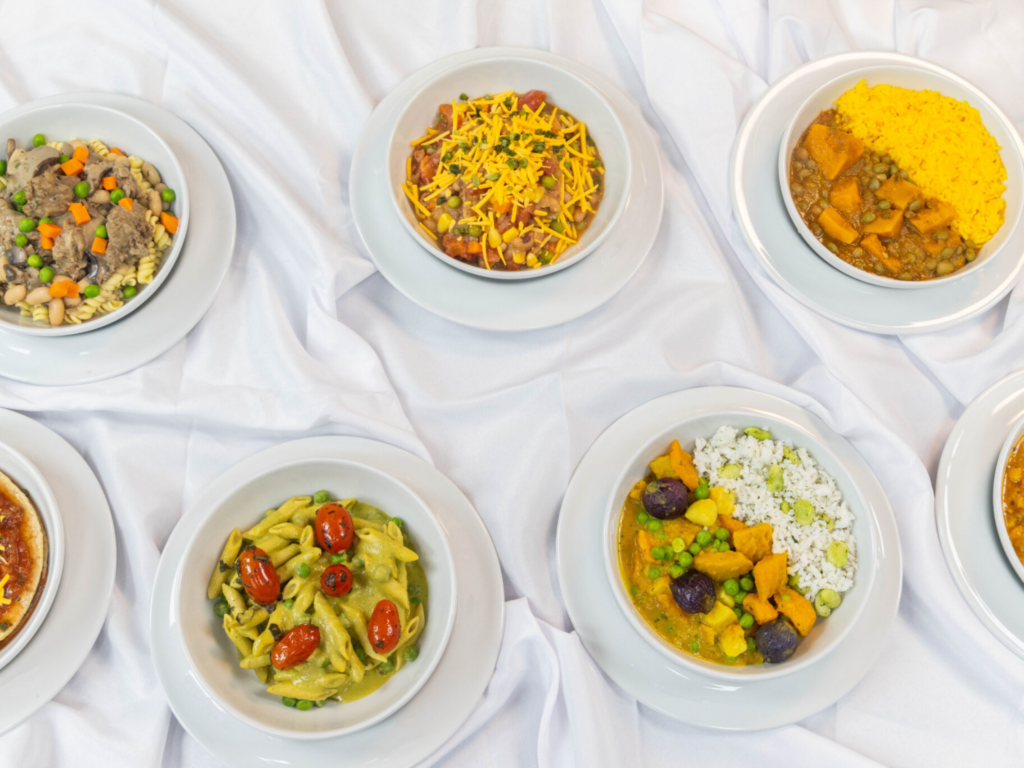
Outlining how hospitals could change their menus, the HHS memo suggested replacing deli meats with lean proteins and serving lentil- or bean-based entrées with leafy greens and an olive oil vinaigrette. However, it still recommends 2% or whole milk, with no mention of plant-based alternatives.
The American Hospital Association has said that “hospitals recognise that nutritious food is an essential part of healing and recovery” and will review the new DGA to incorporate them into their meal programmes.
The move came just as the American Heart Association released new guidelines emphasising plant proteins over meat and several MAHA-aligned organisations urged the Trump administration not to increase the current requirement of meat in school meals.