

Puratos to Launch World’s First Cell-Based Chocolate for Professionals in 2026


Confectionery giant Puratos will introduce a cell-based chocolate product for professionals in the US this year, leveraging its investment in food tech startup California Cultured.
Following a year when cocoa prices reached record highs and Big Chocolate turned to alternative solutions to plug the supply gap, 2026 will see the launch of the world’s first cell-based chocolate for commercial use.
Belgian confectioner Puratos’s US arm says it’s developing a chocolate product containing cell-based cocoa with California Cultured, a pioneer in this nascent space.
Puratos is an investor in the startup through its VC arm, Sparkalis, and has supported the development of the plant cell culture technology from an early stage.
It intends to make the cell-based chocolate fully commercially available to its US customers by the end of the year. The move reflects Puratos’s “commitment to supporting American chocolate professionals with forward-looking solutions”, according to its US VP of marketing and digital, Jaina Wald.
“The US market plays a central role in food innovation, and we are proud to help bring new technologies like cultured cocoa closer to commercial reality here,” she added.
California Cultured producing cell-based cocoa at commercial scale
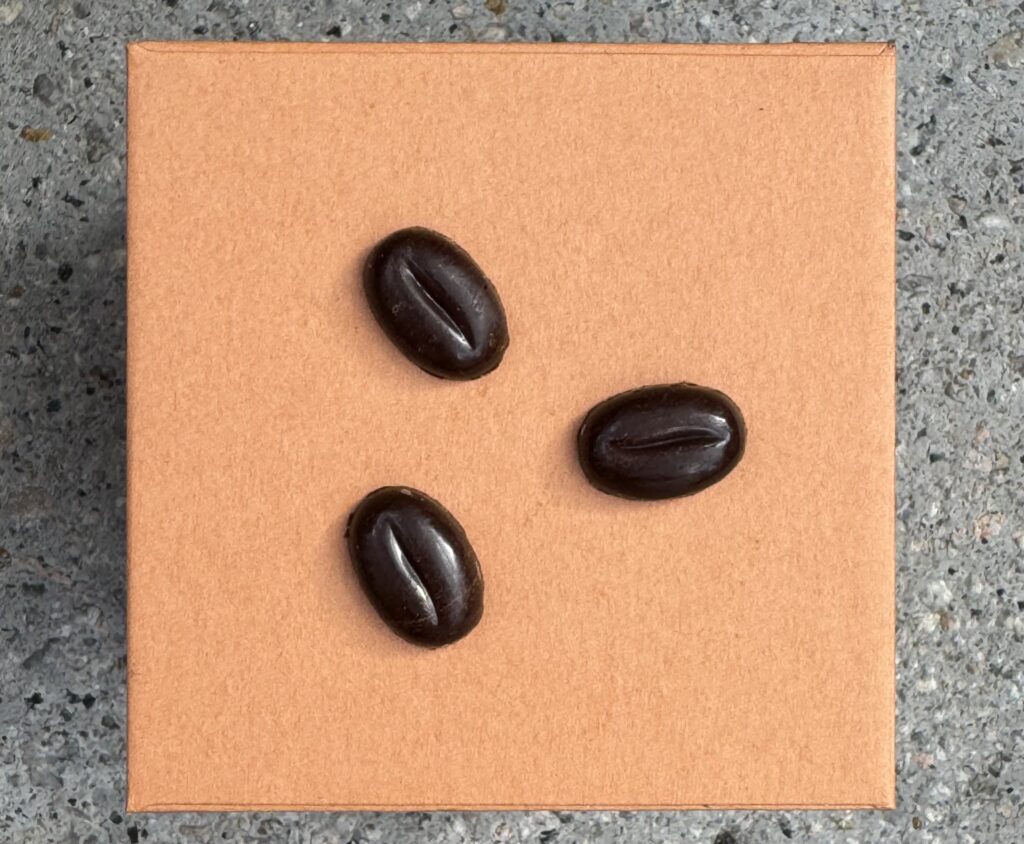
Founded in 2020 by CEO Alan Perlstein and COO Harrison Yoon, California Cultured makes its cell-based ingredients by collecting samples from a cocoa plant with ideal organoleptic properties. These are then cultured in fermentation tanks that mimic the conditions of the rainforests where cocoa thrives.
The cells are fed a mineral and carbohydrate-rich nutrient broth with natural plant signalling molecules. This allows them to reproduce, and within three to four days, they’re ready to be harvested, fermented and roasted.
California Cultured has not disclosed the type of cocoa cells it’s using, but says the varieties are rare and compliant with the Nagoya Protocol, a legally binding international agreement to share the benefits from the use of genetic resources in a fair and equitable way for biodiversity conservation.
The company explains that, unlike cultivated meat or precision fermentation, the media, R&D, capex and bioreactor costs for culturing plant cells are much less costly. The tech allows its cell-based cocoa to be price-competitive with the chocolate products found in supermarkets.
Last year, the firm moved from lab-scale shake flask experiments to large-scale manufacturing in precision-controlled bioreactors, thanks to a partnership with fellow Californian biomanufacturing firm Pow.Bio.
To finetune its process for commercial volumes, California Cultured worked out of Pow.Bio’s 25,000 sq ft facility, focusing on culture media optimisation (which makes the bulk of the cost of cell-based foods), oxygen transfer rates, and pH control to improve cell growth and metabolite production.
The startup opened its own 12,000 sq ft facility in West Sacramento last year, and has been co-developing products with Japanese chocolate giant Meiji too (which are also set to launch in the US this year). Additionally, it has been working to secure regulatory approval for its ingredients from the US Food and Drug Administration (FDA).
“What matters to chocolate makers is simple. They need an ingredient that behaves like cocoa, tastes like cocoa, and shows up when they need it,” said Perlstein. “This partnership with Puratos moves cultured cocoa from a scientific proof into a dependable commercial ingredient that manufacturers can actually plan around.”
‘Responsible innovation’ will define the future of chocolate
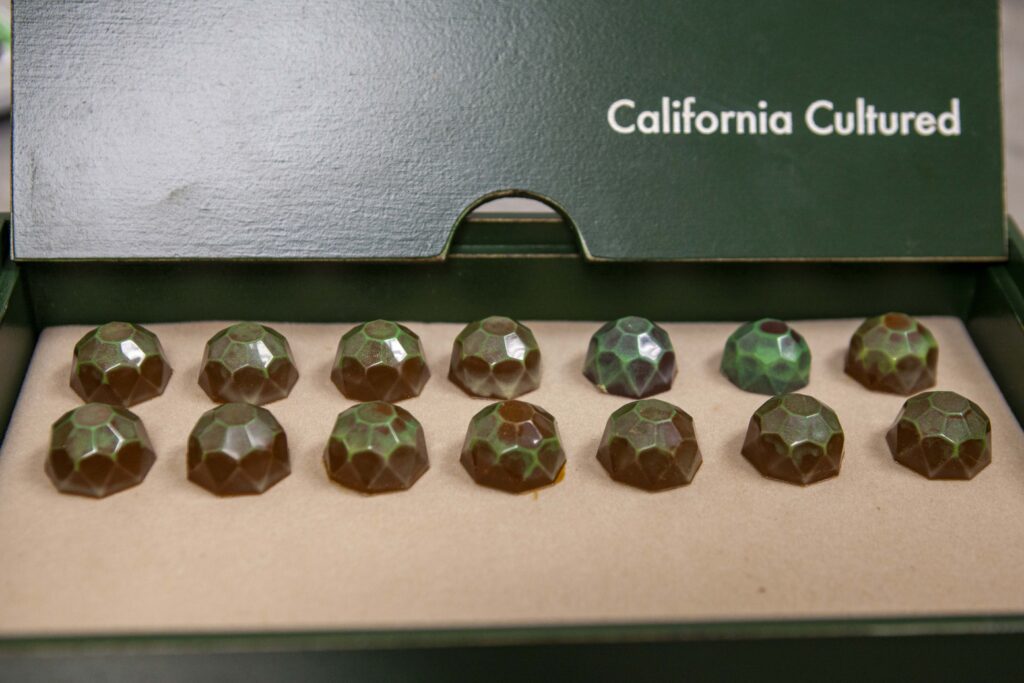
The trials of the chocolate industry have escalated quickly over the last couple of years. Thanks to climate change, cocoa stocks fell to their lowest levels in 2024, when its prices broke all-time records.
The two largest producers of cocoa – the Ivory Coast and Ghana – have lost over 85% of their forest cover since 1960, with extreme weather, crop diseases and illegal gold mining all playing a role. Scientists have warned that cocoa trees are threatened, and a third of them could die out by 2050, leading to a global shortage.
This is a two-way street: producing chocolate is a highly carbon-intensive process, with only beef surpassing its greenhouse gas output. The widespread use of palm oil also links the industry to tropical deforestation and human rights abuses.
Puratos hails cell-based cocoa as a “climate-independent and sustainable complement” to conventional cocoa farming. It can ensure more consistent quality and supply, and boost the industry’s resilience.
“The future of the chocolate industry depends on our ability to innovate responsibly,” said Youri Dumon, director of Puratos’s chocolate business unit. “Exploring new approaches such as cultured cocoa allows us to build on that foundation and continue shaping a more resilient future for chocolate.”
Puratos has reiterated the importance of taste, outlining its expertise in flavour development and sensory science for the creation of its cell-based chocolate offerings. Its aim is to commercialise a product for professionals and food brands that can meet customer expectations for taste, quality, consistency, and performance.
It is not the only chocolate giant to have embraced alternatives. Barry Callebaut, the world’s largest B2B chocolate supplier, has struck partnerships to explore both cell-based and cocoa-free chocolate. Lindt, Dulciar, Walcom, Piasten and others have already co-launched beanless formats.
Puratos itself has invested in another cell-based cocoa startup, Food Brewer, alongside Lindt. Mondelēz International and Cargill, meanwhile, are developing cultured cocoa solutions with Celleste Bio and Kokomodo, respectively.