

Ruby Bio Hits Fermentation Breakthrough for Clean-Label Emulsifiers

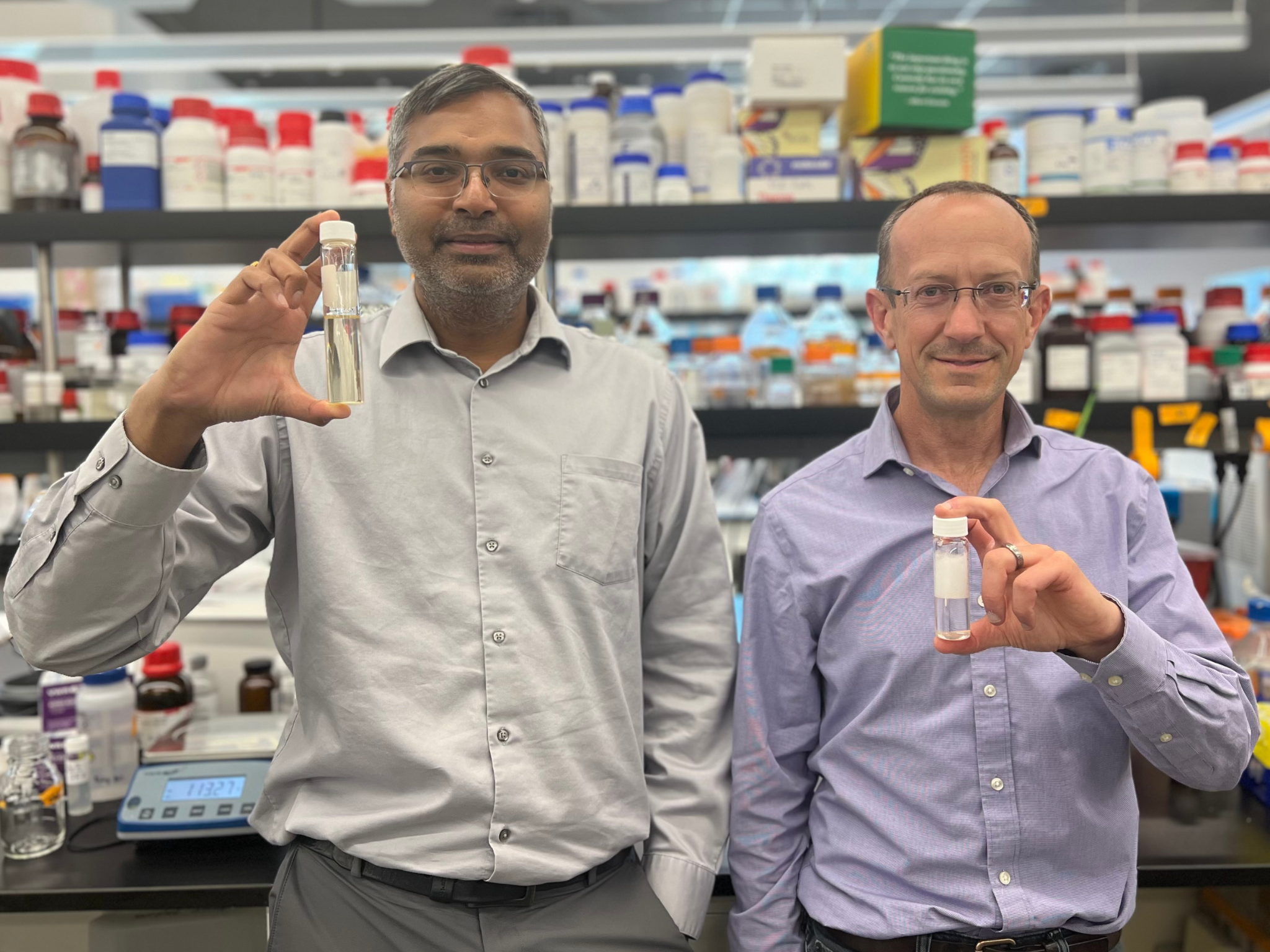
Californian food tech startup Ruby Bio has demonstrated fermentation titers above 100g per litre for its clean-label emulsifiers, paving the way for large-scale, cost-competitive production.
With consumers turning away from ultra-processed additives over health concerns, food manufacturers are rushing to reformulate their products with clean-label alternatives.
And a host of companies – from global ingredient giants to emerging tech-led startups – are coming up with solutions that can help companies do away with industrial or animal-derived additives like emulsifiers.
The problem with many of these new innovations is a lack of scale, which is crucial for manufacturers to incorporate new ingredients in a cost-effective manner. But one US startup has now achieved a breakthrough that could, well, break through this bottleneck.
Based in San Carlos, California, Ruby Bio has achieved fermentation titers exceeding 100g per litre for its line of clean-label emulsifiers, a milestone that sets the stage for cost-competitive, large-scale production of alternatives to some of the industry’s most scrutinised synthetic additives.
Why higher titers are crucial for cost-effective fermentation
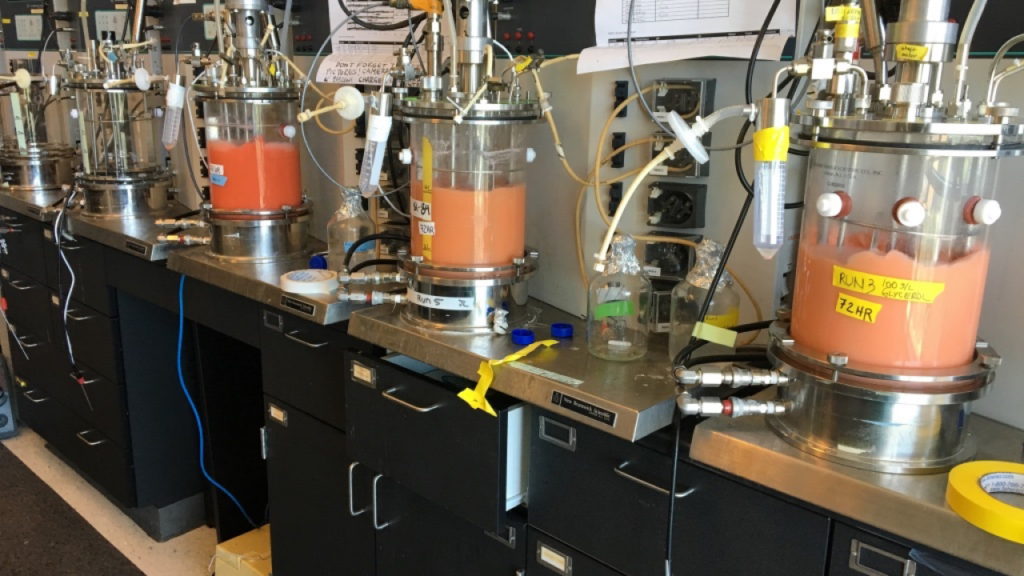
Ruby Bio’s proprietary biosynthesis platform – first invented at UC Davis – uses naturally occurring, non-GMO yeast as a “factory” to convert low-cost sugar into high-value products for a range of applications, including personal care, household care, adhesives, lubricants, and coatings.
For the food industry, the fermentation tech can produce a range of non-sugar polyol sweeteners, as well as emulsifiers to replace lecithins, triglycerides, polysorbates and more in baked goods, drinks, snacks, desserts, and confectionery products.
These emulsifiers are produced using renewable feedstocks and simple downstream processing steps to enable price points that “make reformulation practical” for food companies.
This is why its latest breakthrough is important. Titers refer to the concentration of product achieved per litre of fermentation broth, and are among the most consequential metrics of economic viability in industrial biotechnology.
Higher titers directly reduce the capital and operating costs of downstream processing, and so are the “single most impactful lever” for driving down prices at scale.
Achieving titers above 100g per litre for complex lipid-based molecules is a rare achievement in the field – most fermentation processes for novel ingredients operate at a fraction of this level. According to Ruby Bio, reaching this threshold demonstrates that the strains perform robustly, the process is well-understood, and the scale-up economics are feasible.
“This result didn’t come from a single insight,” said co-founder and CTO Pavan Kambam. “It came from starting with the best natural organisms and then systematically building the process knowledge to let them perform.”
The high titer threshold also significantly reduces the fermentation volume required per kg of product and, as a result, the capital and operational intensity of commercial production.
Clean-label emulsifiers become a consumer priority
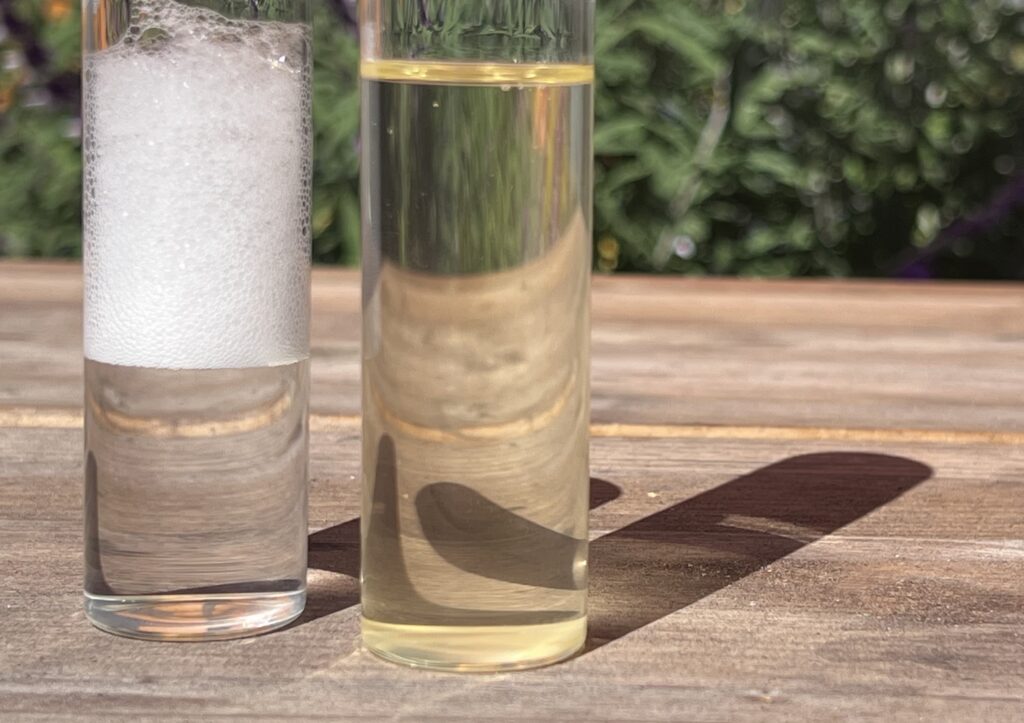
Ruby Bio aims to achieve cost parity with synthetic emulsifiers, and suggests the 100g per litre milestone puts the target within easy reach at commercial scale. “We are encouraged by this result, and we hold it in context,” said co-founder and CEO Charlie Silver.
“A fermentation titer is a milestone, not a finish line,” he added. “What matters is translating this performance reliably at scale, in a product that food manufacturers can build their formulations around – and that consumers can trust. We have the platform, the process, and the team to do that.”
By using sugar or renewable feedstocks, the platform offers companies an off-ramp from palm-heavy supply chains. Palm oil is present in around half of all supermarket items, is linked to widespread deforestation, human rights abuses, and wildlife threats, and suffers from a lack of traceability and transparency in its supply chain.
The EU’s Deforestation Regulation, set to finally take effect this December after several delays, will ban the import of products like palm oil linked to deforestation. Violators face fines of up to 4% of their global turnover – currently, 34% of palm oil imports potentially come from deforested land.
Ruby Bio’s innovations also speak to consumer trends. Research shows that 76% of people are willing to pay more for clean-label products, and 74% of EU citizens find simple ingredients an essential part of purchasing decisions.
In the US, 82% of people believe the fewer artificial or unfamiliar ingredients a food has, the healthier it is. Plus, 69% check labels to avoid highly processed ingredients, and 80% prefer familiar ingredients over artificial additives.
In fact, additives have become one of the most criticised forms of ultra-processed foods. They’re the focus of a petition by former FDA commissioner David Kessler, who has asked the agency to revoke their GRAS status and eliminate them from the food supply. Health secretary Robert F Kennedy Jr has promised to act on the request.
Change is already afoot. In 2025, over one in three food and beverage launches in North America contained a clean-label claim, with no additives/preservatives being the top attribute highlighted, according to Innova Market Insights.
Startups like Ruby Bio are now looking to accelerate this shift. With its latest milestone, the firm is in pole position to solve some of the industry’s tallest hurdles now.