

Singapore Awards $4.1M to Three Projects Upcycling Food Waste Into High-Value Products

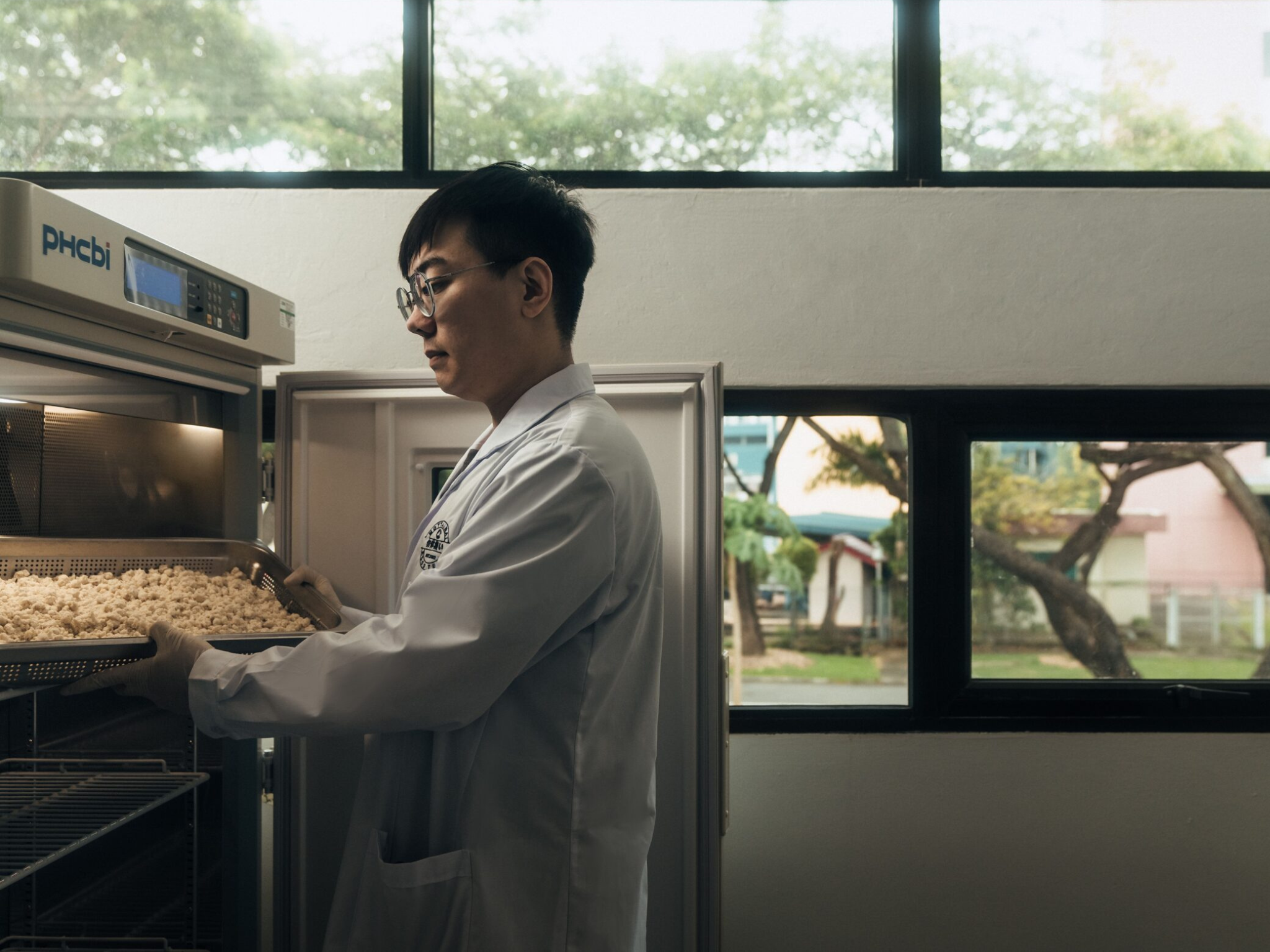
Singapore’s National Environment Agency has awarded S$5.3M ($4.1M) to three food waste upcycling projects as part of its Closing the Resource Loop initiative.
To tackle its food waste problem and boost its self-sufficiency, the Singaporean government has funded three projects that turn food industry byproducts into high-value ingredients and materials.
Under its Closing the Resource Loop funding initiative, the National Environment Agency has awarded a total of S$53M to the food waste upcycling projects.
The investment, first reported by the Straits Times, comes as part of a goal to valorise homogeneous food waste streams and detect contaminants in mixed food waste to allow for proper segregation, with overall disposal of food waste growing slightly between 2024 and 2025.
Tackling waste from beer, coffee and vegetables
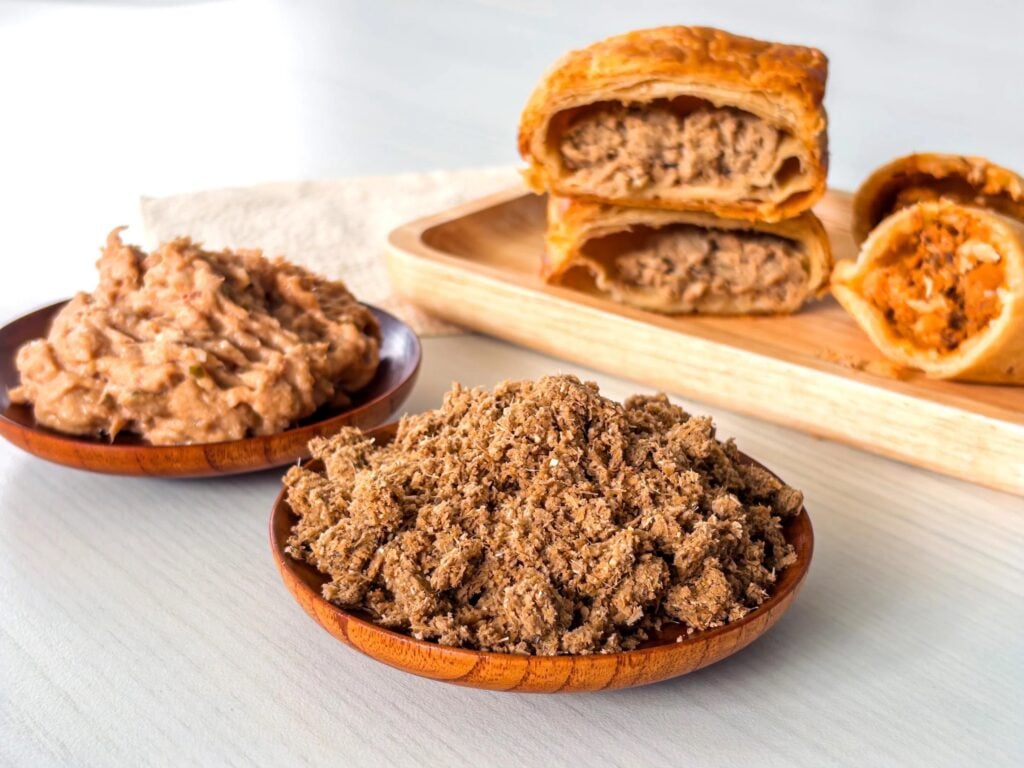
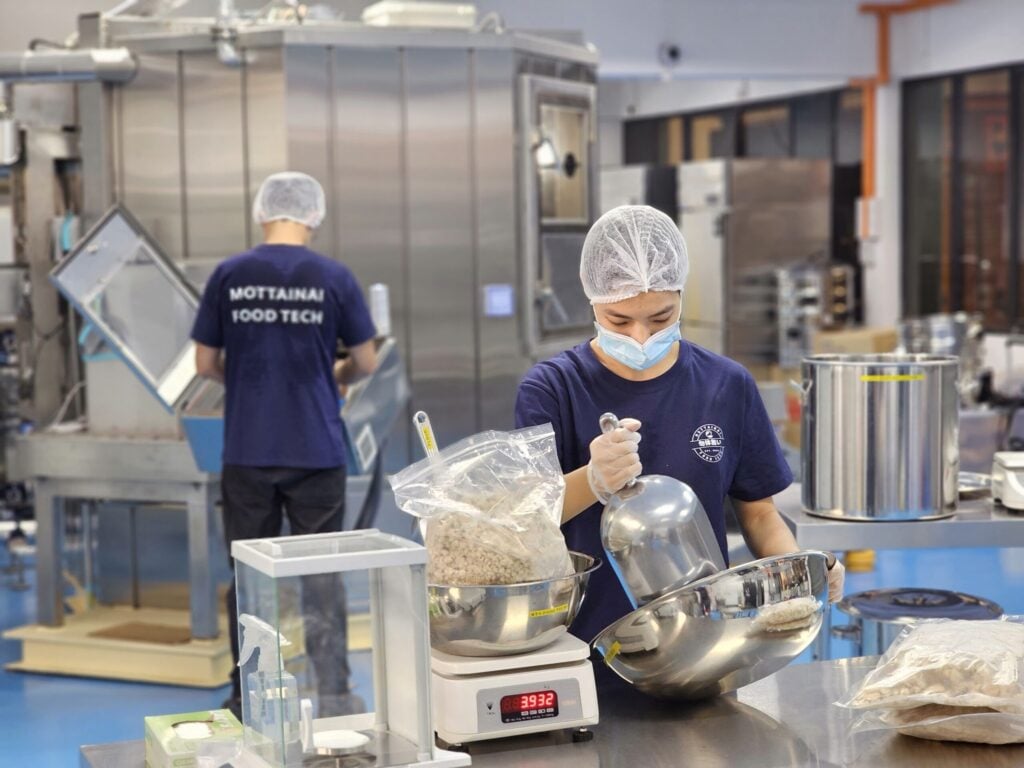
One of the beneficiaries of the grant is Mottainai Food Tech, which turns a byproduct of beer brewing into plant-based protein. The startup collects high-fibre brewers’ spent grain (about 55 tonnes of which is produced annually in Singapore) from breweries and other food companies like Nestlé and leverages fermentation to turn it into vegan tuna flakes.
It works with Nanyang Technological University’s Asian Centre for Health Behavioural Insights & Interventions and Singapore Polytechnic’s Food Innovation and Resource Centre, and aims to sell its tuna in products like pastries. It follows the firm’s commercialisation of Jiro-Meat, a meat alternative made from okara, the leftover pulp from soy milk production.
The A*STAR Institute of Materials Research and Engineering, for its part, was recognised by the National Environment Agency for its technology to turn spent coffee grounds into phase change materials (PCMs) that keep products at a controlled temperature, making them useful for cold chains.
This project aims to create a material with heat storage on par with commercial petroleum-derived materials like paraffin wax. “We saw an opportunity to address two challenges simultaneously: reducing waste sent for disposal and developing greener materials for the cold chain industry,” Zhu Qiang, the project’s principal investigator, told the Straits Times.
Finally, part of the grant also went to Ferm2Farm, which looks to upcycle byproducts like vegetable peels into food flavourings, protein-rich animal feed, and crop fertilisers. It employs a two-step process, starting by extracting aroma and essential oils, before using fermentation to break the food waste down into separate, useful components.
Food waste reduction is part of Singapore’s sustainability strategy
Singapore’s efforts to curb food waste are part of its 2030 Green Plan, under which it aims to reduce the amount of waste sent to landfills by 30%. Food waste accounted for 11% of the island nation’s total waste last year, when it disposed of 649,000 tonnes of it, up from 645,000 tonnes the year before.
Upcycling agrifood byproducts will also help the country achieve its food security goals, given that it currently imports more than 90% of its food supply. While the government had a plan to produce 30% of its food locally by 2030, that has since been replaced by a strategy to supply 20% of fibre and 30% of protein needs domestically by 2035.
The Closing the Resource Loop is contributing to this shift by repurposing waste in pursuit of a circular economy. Its key targets are to achieve a 70% overall recycling rate by 2030 (up from 52% last year), reduce the amount of waste sent to landfill by 20% by 2026 and 30% by 2030, and develop climate-friendly solutions that businesses can adopt and commercialise.
“Singapore is well-placed to take part, with strength in research, advanced manufacturing, and access to regional markets,” Christian Hermansen, who is leading the Ferm2Farm project, told the Straits Times.
He added: “We are building the capabilities, infrastructure, and industry partnerships that allow companies to develop and scale bio-based innovations here in Singapore.”