

Singapore Govt Reiterates Food Security Potential of Alternative Proteins

Singapore moved alternative proteins out of the policy spotlight last year; now, its environment minister has now restated their importance for the city-state’s long-term food security, although challenges remain.
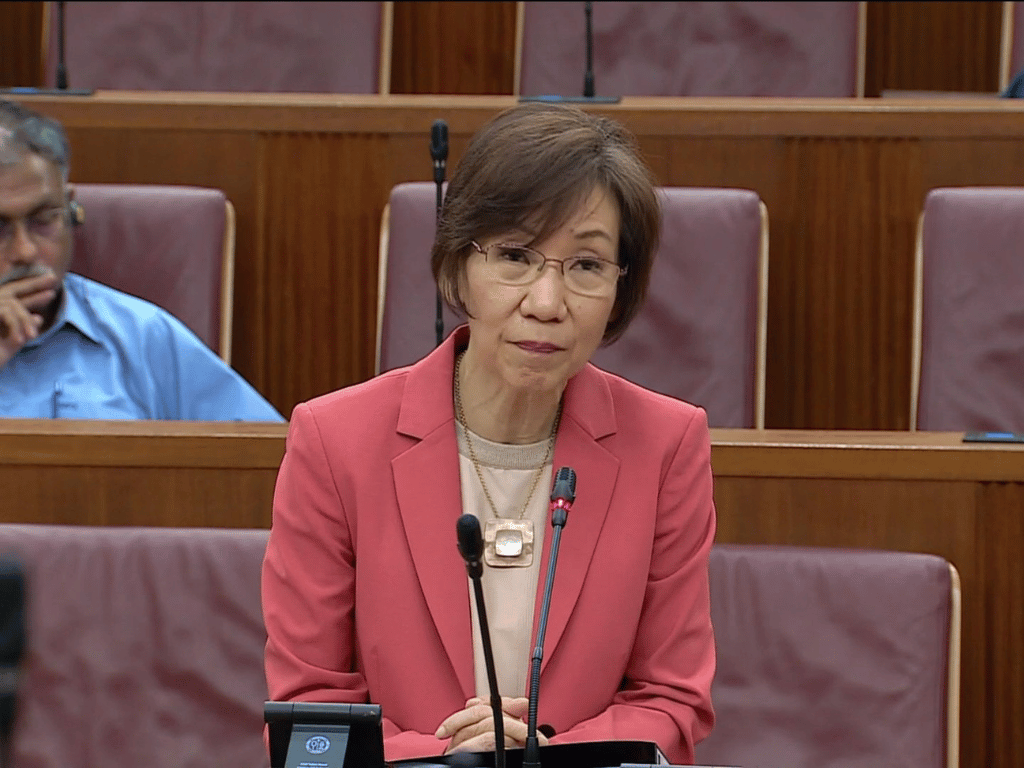
Plant-based and cultivated proteins can contribute to Singapore’s long-term food resilience, and broader consumer acceptance is critical, according to the country’s environment minister, Grace Fu.
In a parliamentary session earlier this month, MP Shi Xuan Ng raised a question about the role alternative proteins play in Singapore’s food security.
The island nation famously imports more than 90% of its food, and only 1% of its land is set aside for agriculture, making it vulnerable to supply shocks and climate change. For years, its government championed a ’30 by 30′ policy, targeting 30% domestic food production by the end of the decade.
However, in late 2025, it replaced that policy with Food Story 2.0, with Fu citing challenges caused by a combination of Singapore’s “small and undeveloped agrifood sector, our limited land resources and high operating cost environment”, Covid-19, supply chain disruptions, inflation, and a tougher financing environment.
Alternative proteins weren’t part of this new food security strategy, under which Singapore is aiming to have 20% of fibre and 30% of protein consumption supplied locally by 2035. At the time, Fu said this decision was due to “higher production costs and weaker-than-expected consumer acceptance globally” for these novel foods.
This month, however, Ng argued that the country should shift from a ‘grow local’ approach to a ‘produce local’ strategy instead. “When we think about growing food, we naturally think of land, but land is scarce in Singapore, and there are physical limits to how much we can intensify traditional agriculture. On the other hand, when we think about producing food, the conversation changes,” he said.
“Protein is a daily need, not a daily choice. Its availability is therefore not something we should leave to chance, and it’s something we must plan for as part of our resilience,” he added.
“We cannot predict the next disruption, but we can ensure that Singapore retains as many options as possible when it comes. That means clarifying the technologies we want to anchor, helping good innovations reach the market, and preserving the capabilities we have already built.”
Ng put forth three proposals to boost Singapore’s alternative protein sector. In response, Fu agreed with the assessment that these innovations can help stabilise the food supply.
“Alternative proteins could contribute to our food resilience over the longer term, when the industry is able to gain broader consumer acceptance with products that are affordable and trusted,” she noted.
How Singapore can bolster its alternative protein economy
Ng suggested that its goal should not be self-sufficiency; rather the aim is resilience, in order to ensure that it has enough food during supply chain disruptions.
“If we take food resilience as seriously as we take water and energy, then our food system must likewise be built on options, buffers, redundancy, and insurance. Resilience is not about predicting the next disruption. It is about ensuring that we always have alternatives when disruption occurs,” he said.
One tool here is to supercharge Singapore’s protein security through technology and innovation. He highlighted three proposals to strengthen the alternative protein ecosystem: clarify the country’s long-term strategy, accelerate commercialisation, and preserve its existing capabilities.
He explained how Singapore’s investment in this sector and support for infrastructure hasn’t happened by chance. “We have invested deliberately in building this ecosystem. What is less clear is the long-term strategy to sustain and translate these investments into enduring capabilities,” he told the parliament.
Ng asked what role the government sees for alternative proteins under Food Story 2.0 and its future iterations. “What capabilities do we intend to anchor in Singapore? And how do we ensure that the investments already made translate into enduring production capability?”
Further, he touched on the consumer-demand angle: “When a product is new, there is often a long educational phase for customers to understand it, try it, and decide whether it works for them.”
Singapore’s policymakers have pointed out that public procurement needs to align with food resilience goals, though Ng noted that alternative proteins are rarely featured here. “This made me wonder whether we have sufficiently strong feedback loops in our public sector procurement and events, and enough opportunities for credible local food innovations to be tried,” he said.
“There are also two realities when bringing a new product to the market. The more you produce, the lower the unit cost can become, and the more people use it, the more feedback you receive to improve the product. We have only just started this process for alternative proteins in Singapore. We should not stop here simply because demand has not caught up yet.”
Government helping companies through investment and regulation, says environment minister

Singapore is viewed globally as a flagbearer of food tech innovation and regulation. It was the first country to approve the sale of cultivated meat, back in 2020, and has since given the green light to five more cultivated protein products (including one for pet food). It’s also where Solar Foods first debuted its CO2 protein, Solein.
Many others are awaiting clearance for novel food products, and have chosen the Lion City as a manufacturing and R&D hub for their innovations. “To move from innovation to commercialisation, food tech companies must scale production, meet food safety and export certification requirements, win over consumers, and secure sufficiently large orders,” said Ng.
“Each step requires capital, expertise, and crucially a credible first customer. If we are to treat alternative proteins as one of our options for food resilience, then we should help viable companies bridge this gap from innovation to commercial scale. The support these companies require is not entirely new, and many of the levers already exist.”
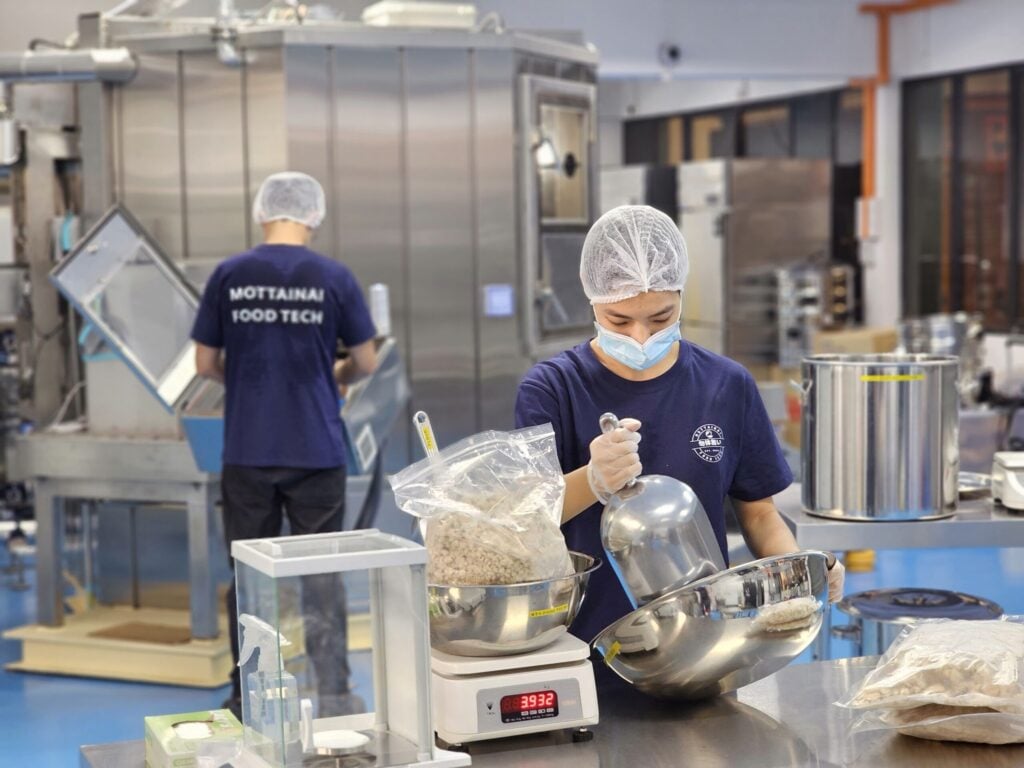
He cited Singapore’s investment in shared facilities, pilot equipment, and scale-up capabilities through the likes of Nurasa’s Food Tech Innovation Centre, Cremer Sustainable Foods, and ScaleUp Bio. “Instead of having new entrants invest in manufacturing capability, the Singapore Food Agency could consider giving these companies credits to leverage these shared facilities to test their products,” said Ng.
The MP suggested broadening the scope of market readiness assistance grants for food producers to extend support beyond market promotion and towards areas like overseas certification and regulatory approvals: “These can help promising companies become global-market-ready and achieve scale more quickly,” he said.
In response, Fu noted how the government has supported over 50 alternative protein projects with about S$130M in R&D funding, including work on reducing costs and scaling up production of cultivated meat, as well as improving the taste, texture and nutrition of plant-based foods.
“Many plant-based protein products are already commercially available, while cell-based proteins remain at an early stage of development. The global alternative protein industry has faced headwinds. Weaker-than-expected consumer acceptance has been a factor. For cell-based proteins, high production costs and scale-up challenges remain significant hurdles,” the environment minister said.
“The government is helping companies achieve this through enabling regulations, investments in R&D, and support for commercialisation,” she added, directing companies to tap into existing grants and schemes by the Economic Development Board and EnterpriseSG.