

As Protein Drinks Take Off, Solar Foods Unveils A Version Made with CO2

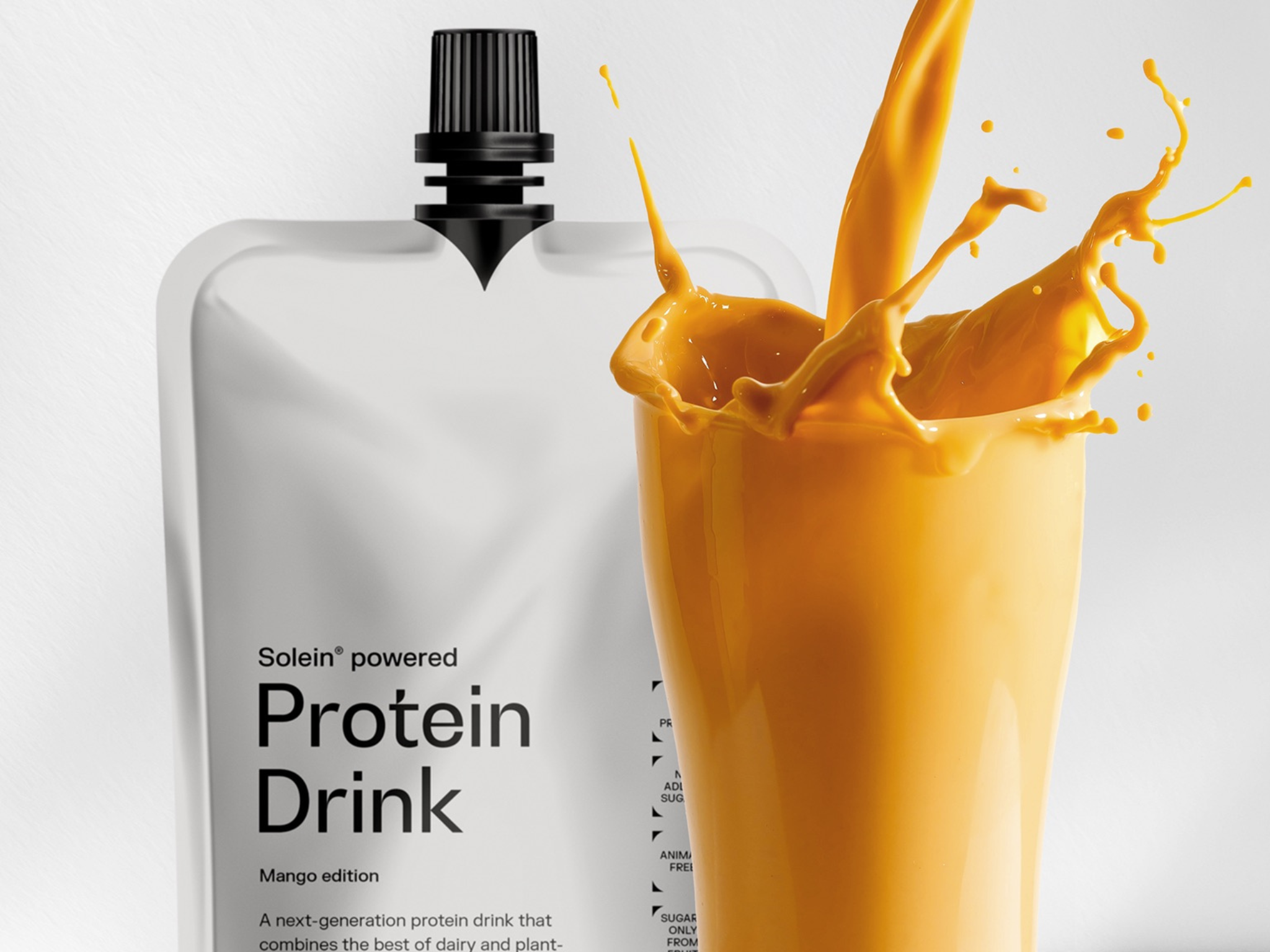
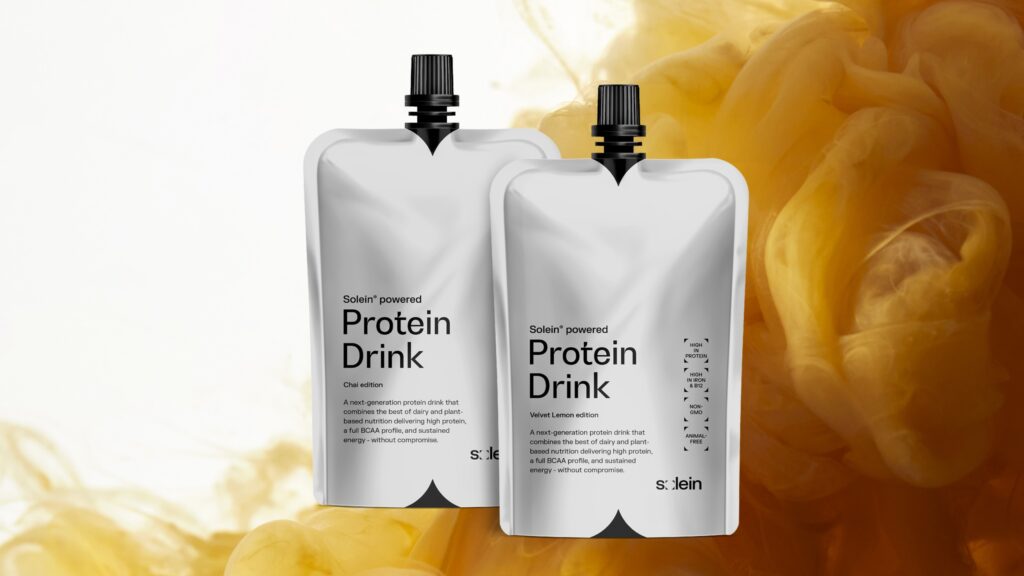
Solar Foods has unveiled Solein Protein Drink, a new concept product for its gas protein, which contains significantly less natural sugars than animal- or plant-based counterparts.
After showcasing prototypes of protein powders, mayonnaise, cream, and more, Finnish startup Solar Foods is now eyeing the protein beverage market with its CO2-derived protein.
Between 2020 and 2024, the number of high-protein drinks on the market grew by 122%, driven by rising interest in muscle-building and Gen-Z’s demand for natural ingredients, according to Innova Market Insights.
In the US, nearly one in five consumers meets their protein needs mostly through protein-fortified foods or beverages. It’s why companies like Starbucks, Barebells and Pure Genius have all launched various types of protein-boosted beverages, from lattes to flavoured milk to pocket-sized shots.
According to Solar Foods, the ready-to-drink protein drinks segment is the fastest-growing, which has prompted it to develop its latest concept product, Solein Protein Drink. It will be debuted at the Future Food-Tech conference in San Francisco this week (March 19-20).
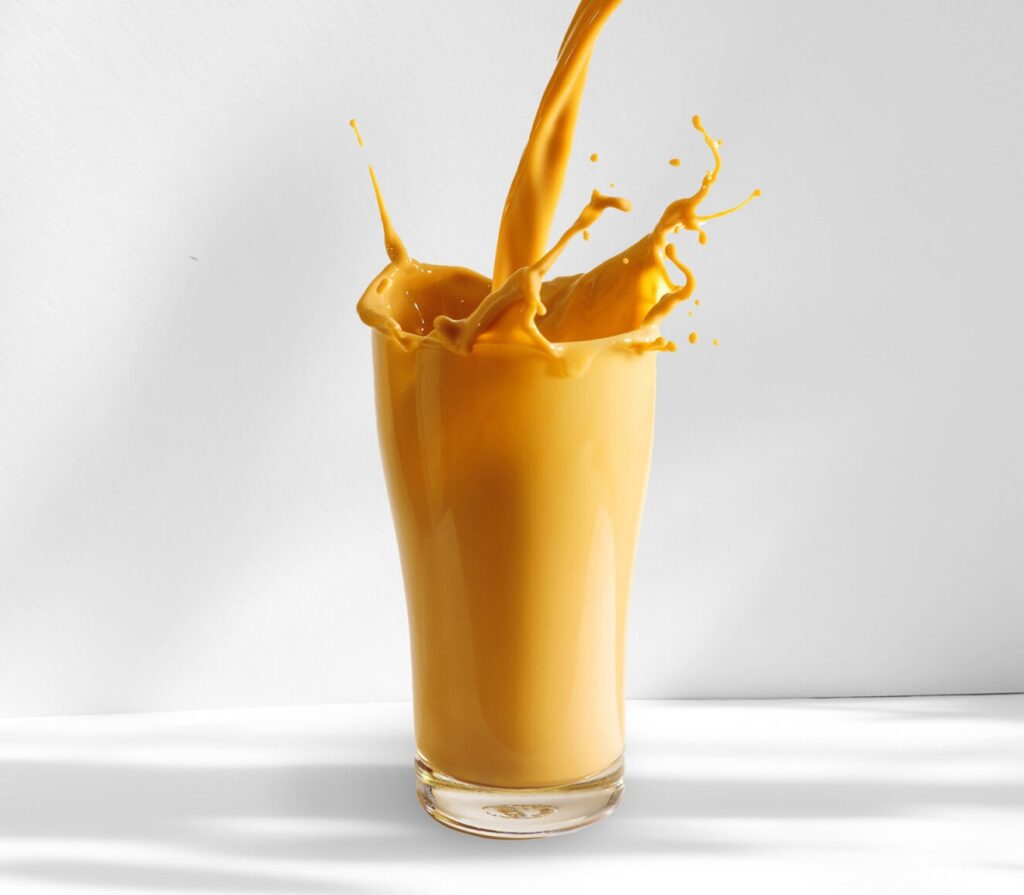
This beverage has very low natural sugar and carbohydrate content, and can be used in “endless flavour combinations”. For instance, the company has unveiled a mango-flavoured drink with 12g of protein, 4g of fat, 2g of fibre, and 90 calories per 250ml serving. It pairs Solein with mango purée, rapeseed oil, flavourings, stabilisers, sweeteners, and salt.
Solar Foods aims to give customers a head start in product development
Solein is a powdered ingredient made by feeding microbes on gases like carbon dioxide, hydrogen and oxygen instead of sugar. It has a deep-yellow hue and a fraction of the environmental footprint of animal or plant proteins.
The main raw materials needed to produce the protein are CO2 and renewable energy, resulting in emissions equal to just 1% of those generated by conventional meat, and 20% of plant proteins. According to Solar Foods’s projections, replacing a kilo of whole milk with Solein could help save 20kg of CO2e.
The fermentation process eschews the need for farm land or large-scale water consumption, and can be scaled up to industrial production without any reliance on farming cycles, ensuring a year-round, climate-resilient supply.
The ingredient is neutral in flavour and contains 78% protein, 6% fat, 10% dietary fibre, and a macronutrient profile akin to that of dried soy or algae. Unlike most animal proteins, it has zero cholesterol or saturated fat, and unlike most plant proteins, it’s packed with iron and vitamin B12.
“With Solein, we are bringing a completely new harvest to humankind – high-quality nutrition without the use of land and animals,” said Godert Zijlstra, chief commercial and product officer at Solar Foods.
“Even though Solein is extremely functional and easy to use, we want to help our customers integrate the new protein source into their product pipelines. We develop our own prototypes to give our customers a head start in their own product development work of creating final products for consumers,” he adds.
The protein drink is the latest such concept, described as having a rich, creamy texture and significantly lower levels of natural sugar and carbs than animal and plant proteins. It is a complete protein, with 43% of its protein content from essential amino acids and 20% from branched-chain amino acids, for optimal recovery.
Depending on the formulation, the protein content ranges from 12-21g per 250ml of the drink. And Solein’s mild taste means it can be incorporated into a range of beverage flavours, including chocolate, vanilla, chocolate-raspberry, lemon, chai, and mango.
Solein’s solubility and smoothness boosted for liquid applications
Thanks to Solein’s mild taste and great functionality, it matches the freshness and usability of whey, while bringing the upsides of sustainability as well as price and quality stability, offering an excellent protein source for products in the health and performance nutrition category,” said Zijlstra.
Plus, Solein is well-suited for UHT processing, which is commonly used by the food industry in protein drinks, enabling products to be stored at ambient temperatures. Solar Foods said the UHT treatment doesn’t alter the taste or smell of the final product made with Solein, overcoming a hurdle faced by many dairy-based protein sources.
Nearly three in five (57%) Americans plan to prioritise protein this year to increase energy (52%), build strength (51%), and manage weight (48%). And 43% of them are willing to pay more for products enhanced with protein (including drinks), rising to 54% among younger consumers.
The doubling of GLP-1 use from early 2024 to 12.4% in summer 2025 has contributed to this boom, since these drugs cause a 5-40% decrease in muscle mass over 8 to 16 months (much more than non-medicated weight-loss approaches and age-related muscle loss).
“Protein drinks are not just for boosting performance: they are becoming increasingly popular also as meal replacements or snacks throughout the day. Usually made with dairy-based milk protein or whey protein, there is a growing consumer demand for animal-free alternatives. Also, the demand for high-quality whey protein in this category is outgrowing supply,” said Zijlstra.
“We continuously develop Solein according to customers’ wishes. We have now refined Solein’s suitability for liquid applications and improved the powder’s solubility so that it gives end products a velvety smooth texture. This has led to smoother and faster dissolution [in] liquids and made the Solein powder easier to handle.”
Already approved for sale in Singapore and the US, Solein has been commercialised in applications such as chocolate snack bars, mooncakes, ice cream, and dairy-free lattes with beanless coffee. It’s set to make its US debut this year, as part of a line of ready-to-mix protein powders under Pothos’s PRVL brand, and a range of gluten-free protein bars by Fermenta.