

Chef-Founded UK Brand Debuts Meat Alternatives with Fermented Vegetables in Retail

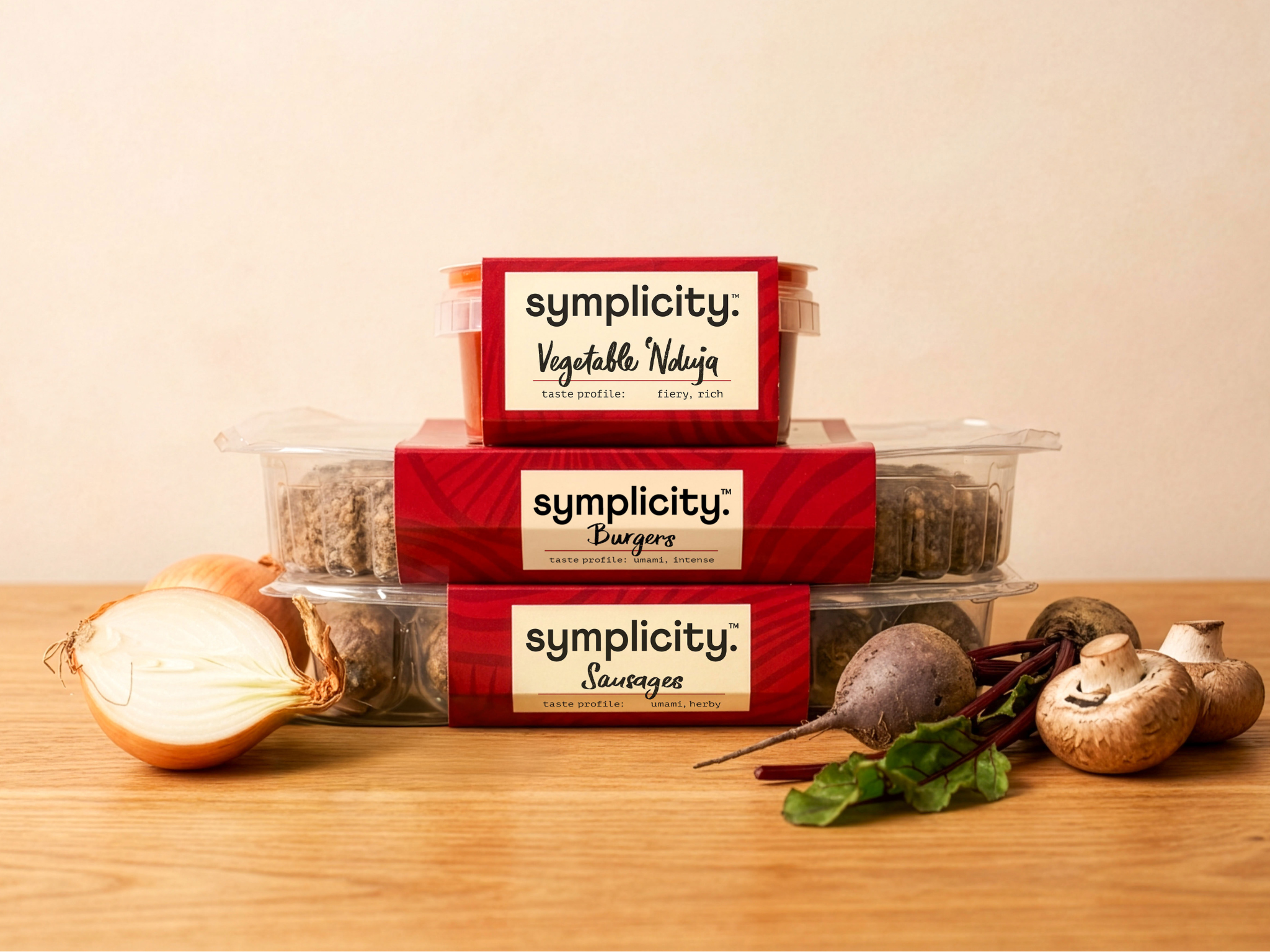
Symplicity Foods is tapping into the UK’s whole-food plant-based movement with the retail debut of its fermented-vegetable-based burgers, sausages and ‘nduja.
Meat analogues in the UK struggled yet again last year, as 60% of Brits cut back on ultra-processed foods (UPFs) amid concerns about their health effects.
The anti-UPF wave – which has unfairly painted plant-based meat with the same brush as Coca-Cola or KitKat bars – has forced companies to reinnovate and introduce products more suited to what consumers are looking for today.
The focus is on whole foods over processed ingredients, with cult-favourite vegan meat makers like This and Juicy Marbles both launching veggie-forward options into supermarkets.
Now, a plant-based brand revered by chefs and restaurants for its fermented veggie burgers is looking to ride this wave with its retail debut.
Symplicity Foods, co-founded by Scottish chef Neil Rankin, has been selling its whole-food plant-based meat alternatives everywhere from pubs and pizzerias to Gordon Ramsay’s restaurants and established eateries like Dishoom and Mildreds.
With its latest distribution deal, the company has earned a listing at 196 Waitrose stores, where it will sell three SKUs packed with fermented vegetables for a vegetable-hungry population.
Burgers, sausages and ‘nduja built on lacto-fermentation
Symplicity Foods’s meat alternatives were developed in professional kitchens and refined over several years. The company uses natural lacto-fermentation to build savoury depth from vegetables.
This is an ancient technique used by chefs to add umami and flavour complexity to foods. Symplicity Foods’s focus is on mushrooms, onions and beetroots, which are slowly fermented to intensify their flavour.
These fermented vegetables form the base of its meat alternatives, which also contain ingredients like wheat gluten, bulgur wheat, flax seeds, miso, tamari and spices.
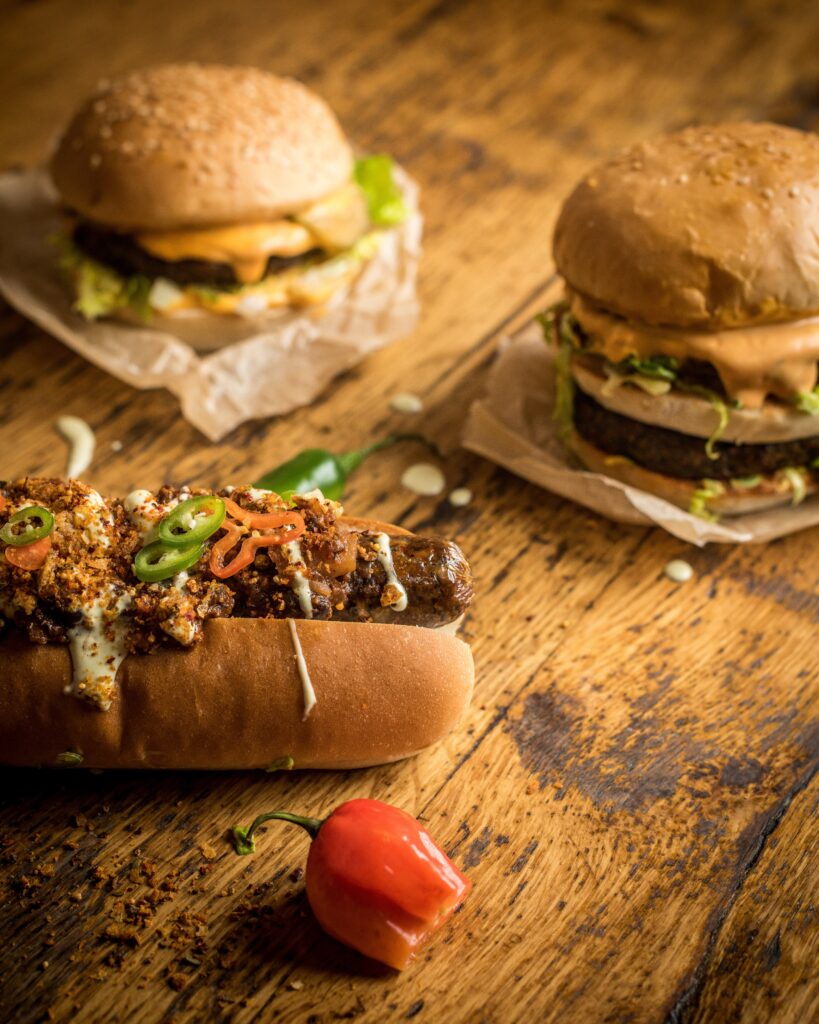
The brand’s signature burger, which will be sold in two-packs for £4.25 at Waitrose, has nearly 25g of protein and over 3g of fibre per patty. And its sausages (sold in a six-pack of 45g links for the same price) boast 18g of protein and 3g of fibre per serving.
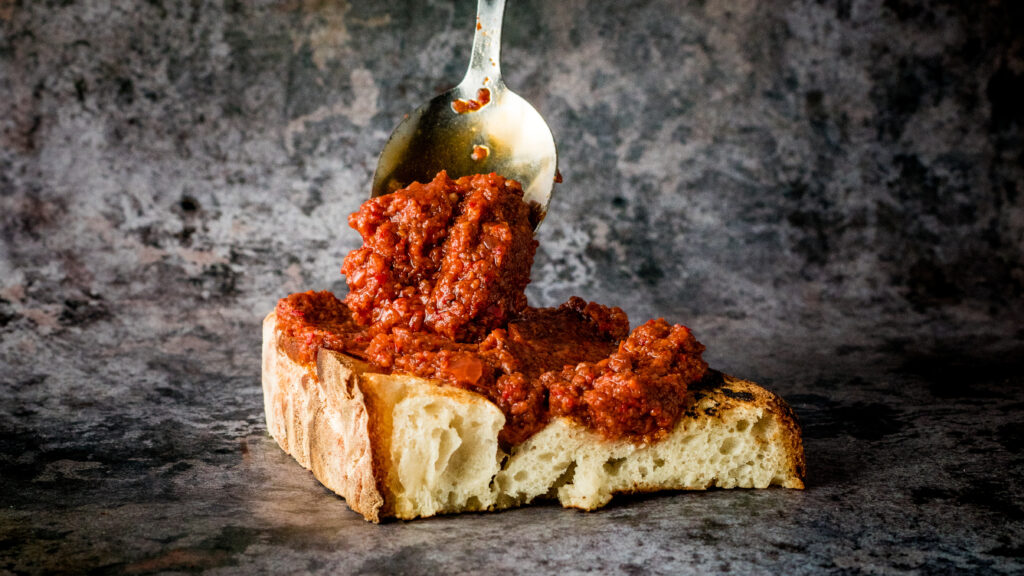
Symplicity Foods’s retail line features a vegetable ‘nduja, too, which is made by blending the fermented vegetable base with tomatoes, rapeseed oil, miso, tamari and spices. It contains 4g of protein and 2.5g of fibre per 100g.
“Fermentation is how chefs can naturally build flavour. We use time, technique and vegetables to create ingredients with depth, without shortcuts,” said Rankin. “Bringing this approach from restaurant kitchens into home cooking felt like a natural next step.”
Whole-food plant-based all the rage in the UK
Concerns about ultra-processing have pushed more Brits to choose vegetable-based products over meat alternatives. The shift is further driven by the ‘plant points‘ movement, which encourages people to eat 30 different plants every week for better gut health.
Symplicity Foods’s burger boasts seven plant points, and its sausages contain five. The brand is also working towards a goal of “near-zero waste”, with the leftover fermentation liquid reused to create a vegetable stock.
The move into retail comes on the back of nearly 20% year-on-year sales growth for the company, which now supplies to over 1,000 restaurants and caterers in the UK.
“We’ve seen strong growth in foodservice as chefs look for flavour-led vegetable ingredients that don’t rely on heavy processing,” said Alan Wogan, co-founder and CEO of Symplicity. “Launching with Waitrose allows us to scale that demand and make the same ingredients trusted by professional kitchens available to home cooks.”
It is among a number of plant-based companies betting on whole foods in the UK. This launched the This is Super Superfood line in April, eschewing its meat-mimicking philosophy for whole-food plant proteins. The same week, Oh So Wholesome rolled out Veg’chop, a range of cubes made from red lentils, quinoa, yellow split peas, mushrooms, seeds, and more plants.
And in late December, Juicy Marbles expanded its meat alternative range with an Umami Burger that seeks to target the sweet spot between ultra-realistic analogues and whole-food options.
Meanwhile, tofu maker The Tofoo Co enjoyed its best year yet in 2024, with sales up by nearly 20%, and tempeh brand Better Nature raised $1.5M after a 128% sales increase in Q2, its best quarter to date. And This itself teamed up with Omami to launch a chickpea tofu line in the UK.