

Soufflet Malt, Eat the Truth Target Alternative Cocoa Flavours with Fermented Grains

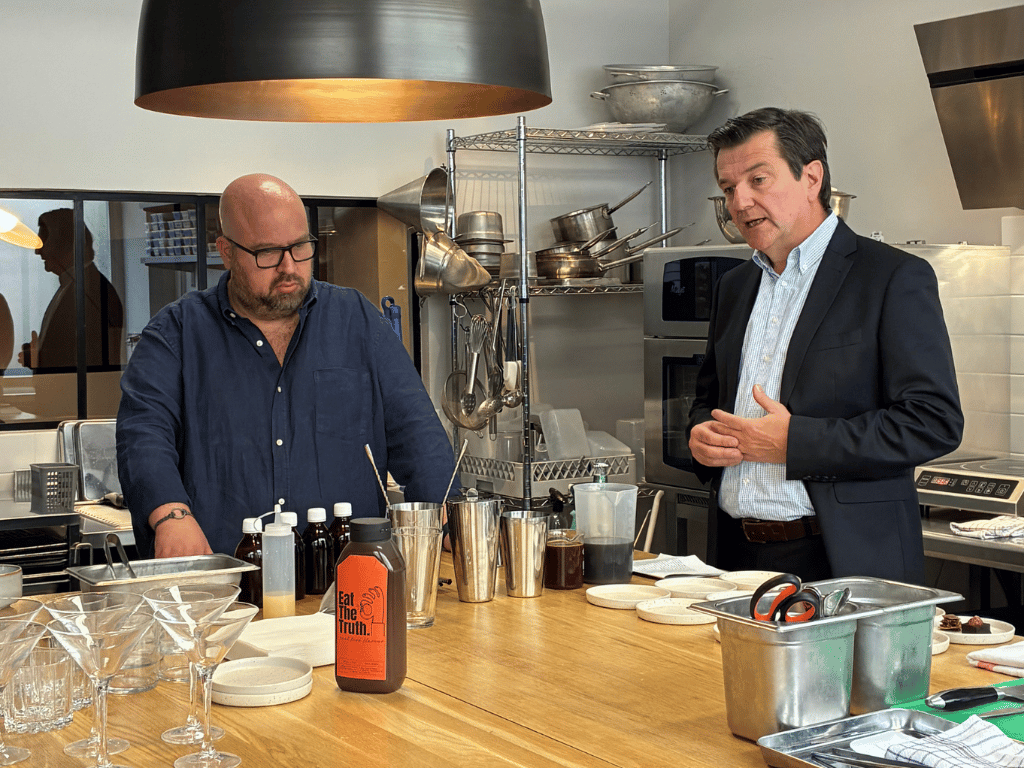
French malt producer Soufflet Malt and food tech platform Eat the Truth have teamed up to use fermentation to turn malt into flavours that can replace cocoa and alcohol, among other ingredients, in food and beverage products.
With consumers looking for additive-free ingredients and manufacturers seeking solutions to strained supply chains, a French partnership is turning to grain fermentation as a dual fix.
Soufflet Malt, the world’s largest malt producer, has teamed up with food tech firm Eat the Truth (formerly The Mediterranean Food Lab) to create natural flavours that can replace a whole host of ingredients, starting with a focus on cocoa and non-alcoholic beverages.
The partnership leverages the companies’ expertise in fermentation, culinary innovation and production scale-up to offer natural solutions that combine rich flavour profiles, cost competitiveness, and scalability.
“This partnership combines our expertise in fermentation with Eat The Truth’s approach to flavour creation using food ingredients. Together, we will accelerate the development of new solutions for our customers and bring them to market at scale,” said Laurent Debande, chief growth and innovation officer at Soufflet Malt.
Fermented malt can create flavours like cocoa, coffee, and umami

Founded by chefs, Eat the Truth uses solid-state fermentation to produce rich and complex flavour profiles from legumes, seeds, and grains, combining the tech with its expertise in flavour creation, culinary R&D, and the development of ready-to-use solutions for manufacturers.
Its culinary ingredients, sold under the SHO brand, are today used by over 300 chefs in seven countries, offering them flavour bases that recreate the richness of slow-cooked food without any artificial flavours or additives.
“By combining our fermentation expertise with that of Soufflet Malt, we’re helping manufacturers go beyond conventional flavour solutions to create richer, more innovative products using real food ingredients,” Eat the Truth co-founder and CEO Yair Yosefi said.
“This partnership sets a new standard for food ingredients: delicious, honest, innovative solutions designed from the outset for industrial-scale production,” he added.
The combination of malt and solid-state fermentation enables the use of food-grade ingredients to develop flavours tailored to a variety of applications, especially for replacing raw materials that are short in supply. Cocoa, for instance, saw prices break all-time records last year, thanks to climate-change-induced shortages.
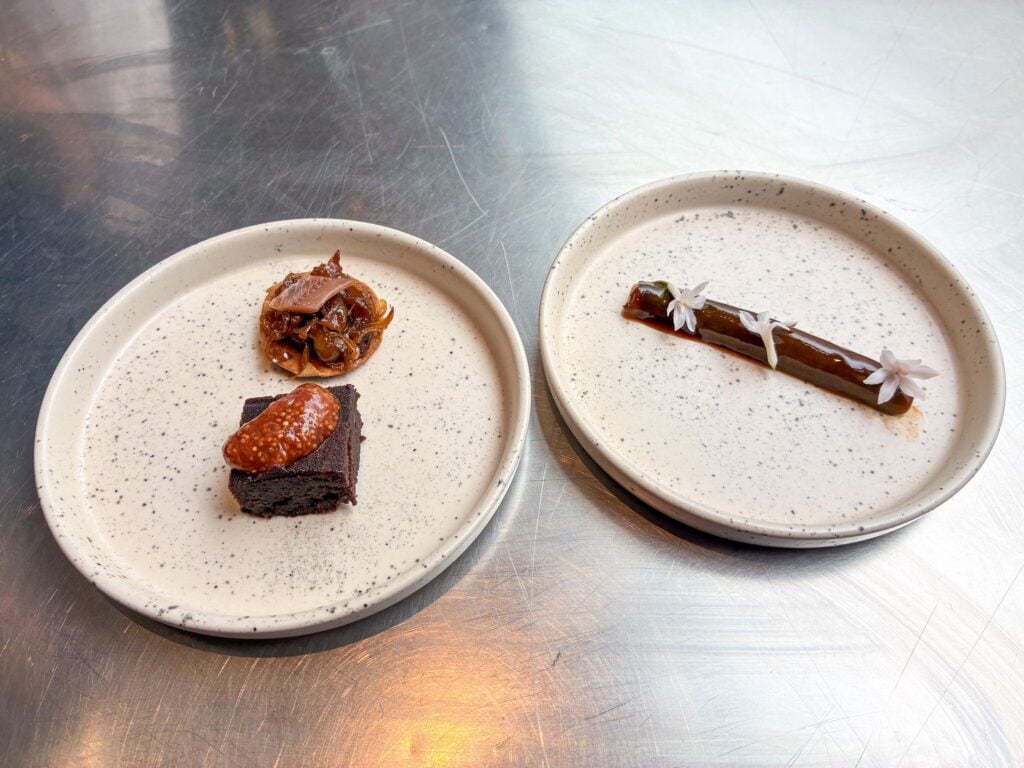
The approach can create notes of roasted flavours, cocoa, coffee, umami, and kokumi, opening up possibilities in chocolate confectionery, non-alcoholic drinks, baked goods and sauces, with a significant cost reduction.
It comes as consumer habits around food shift quickly. In France, 64% of people say they’ve decided against buying a food product because it contained additives, and 60% feel they don’t have enough information about what products contain. Meanwhile, across Europe, 71% of respondents report reducing their alcohol intake, with a quarter of 25- to 35-year-olds having stopped buying it altogether.
Combined capacity enables industrial-scale platform
The partnership comes shortly after Eat the Truth expanded its fermentation capacity to hundreds of tonnes per year, with improvements in the fermentation process boosting efficiency by 40% and opening up its services to industrial food producers. Soufflet Malt, meanwhile, operates 35 malthouses in 20 countries, boasting an annual production capacity of 3.6 million tonnes.
The two companies will work together to offer manufacturers a platform covering flavour creation, sensory validation, prototyping and industrialisation, with the aim of rapidly transforming new flavour profiles into scalable solutions adapted for large-scale production.
The focus on cocoa reflects the impact of climate change on this commodity. Cocoa stocks fell to a decade-low in 2024, and extreme weather events are pushing a third of the world’s cocoa trees towards extinction.
Chocolate itself emits more greenhouse gases than any other food except beef, and is directly responsible for 94% and 80% of deforestation in Ghana and the Ivory Coast, the two largest cocoa producers.
“By unleashing the flavor of malt as a natural, versatile and sustainable ingredient, we rise to the challenge of manufacturers seeking simpler ingredients, authenticity and richer taste experiences,” said Soufflet Malt’s Debande.
“This partnership aligns with our Maltiply 2030 strategy to accelerate our expansion into adjacent markets and develop new, high-value-added solutions for the food and beverage industry,” he added.
This isn’t the only cocoa-focused fermentation collaboration that the malt producer has struck this year. In June, it teamed up with French research initiative Ferments du Futur to develop high-value next-gen ingredients via solid-state malt fermentation, starting with a cocoa substitute made from sprouted grains.