

UK Makes Beans Compulsory & Adds Fortified Pea Milk to School Food Menus

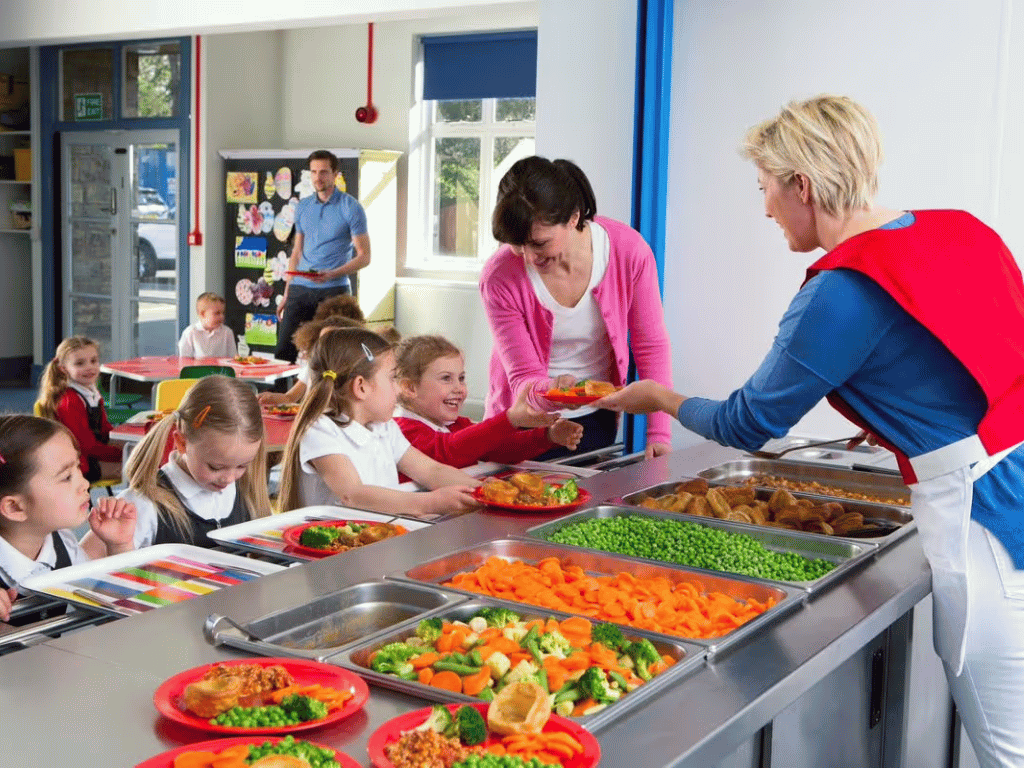
Schools in the UK must serve legumes at least once a week alongside main menu options, according to the updated school food standards, which have embraced fortified pea milk and plant-based yoghurt too.
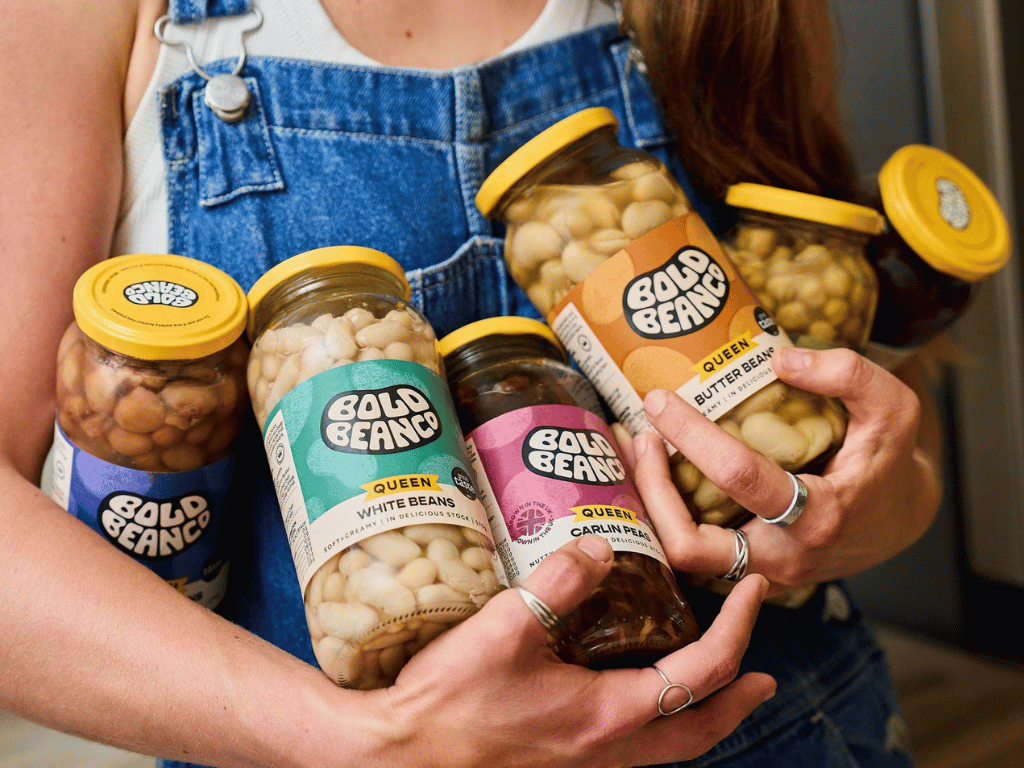
Beans have taken centre stage in the British government’s first update to the national school food standards in more than a decade.
Starting next September, schools across the country will be required to include legumes like beans, lentils, and chickpeas alongside main meal options at least once a week. Secondary schools will have a one-year transition period where the requirement will be once every two weeks.
Existing standards require a protein source to be served daily, with certain proteins compulsory on three or more days a week. The new standards now count beans and lentils towards the latter group, giving schools the choice to serve more climate-friendly food.
Baked beans are not included in that provision. They’re now added to the protein food group, but will be treated differently from pulses and aren’t counted as vegetables.
“Plant-based proteins like pulses are often cheaper than meat, so can help schools deliver quality and variety, more fruit and veg and meet the other standards,” said Martin Bowman, senior policy and campaigns manager at Foodrise, which engaged with the government’s consultation on the new rules.
Vegetables a core focus as plant-based dairy gets expanded
The new standards state that all main meals must contain at least one portion of vegetables or salad, and some fruit and vegetables must be available at all mealtimes.
Additionally, they retain the existing requirement that at least one vegetarian main dish includes a portion of pulses on three days every week.
Research suggests that no amount of processed meat is safe for humans, and the UK government has now said that these products, which include sausages, ham, bacon, burgers, meatballs, salami, and pepperoni, can only be served a maximum of once a week.
Cheese can also now be provided as a main ingredient just twice a week, sugary foods and drinks now have further restrictions, and deep-fried foods are banned altogether.
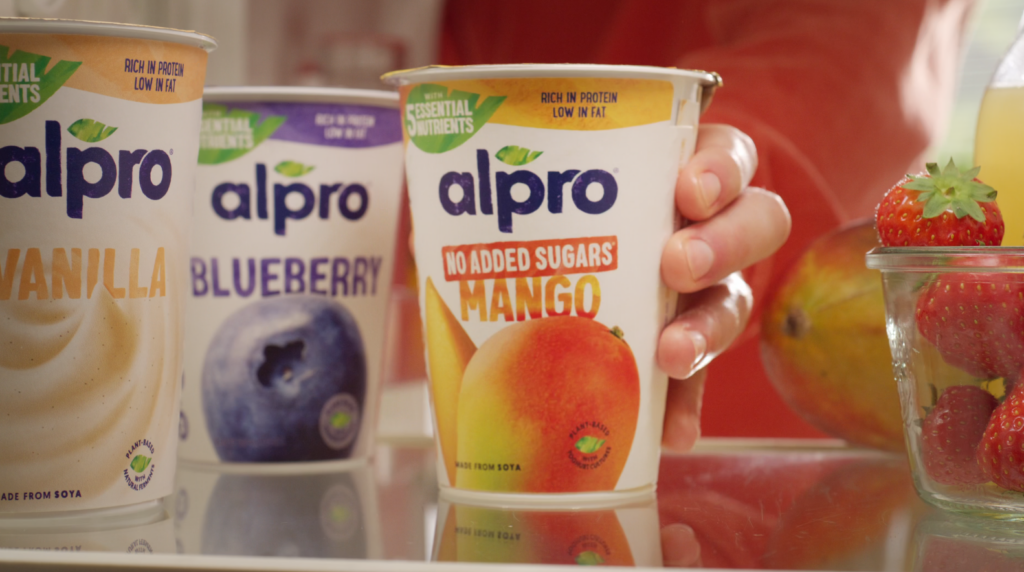
Meanwhile, the school food standards have now added fortified pea milk to the list of permitted plant-based milks, joining unflavoured, unsweetened and ‘no sugar’ oat and soy milks. And yoghurt and vegan alternatives that meet nutritional requirements are included in the permitted snacks list.
“These new standards contain a lot of very welcome updates. Schools now have a major opportunity to serve more healthy plant-based proteins like lentils, chickpeas, tofu and soya mince, and should be encouraged to go beyond the minimum requirements,” said Bowman.
“Polling shows the majority of the public supports schools serving more plant-based foods, which can improve children’s health and reduce climate pollution to protect our children’s future.”
Indeed, a 2,000-person poll by YouGov last December found that seven in 10 Brits supported a policy to make schools serve a higher proportion of plant-based food. That view is consistent across every demographic, from age group to economic background to political affiliation.
UK government to publish protein guidance, including for plant-based meat
The standards are aimed at increasing fibre intake among British children, more than 90% of whom don’t eat enough of this crucial macronutrient, as well as reducing saturated fat consumption (only 84-85% of children exceed the recommended intake for this).
In the consultation period, the government received over 2,270 responses through a campaign organised by Plant-Based Schools, calling for greater flexibility for institutions to provide plant-based options and increased access to plant-rich meals.
“The government recognises these views and notes that plant-based options have been incorporated throughout the revised standards, including the expansion of permitted fortified plant-based drinks, greater use of pulses as a recognised protein source, and strengthened requirements to support vegetarian and plant-based menu choices while ensuring meals remain nutritionally balanced,” the standards read.
It will also publish guidance with examples of what compliant protein provision looks like, including animal proteins, “baked beans, pulses, vegetarian dishes, vegan options, and plant-based meat alternatives”.
“Guidance will also include examples of familiar dishes that incorporate pulses and approaches that support pupils with allergies, religious dietary requirements, vegetarian or vegan diets, and sensory needs,” the government said.
The new standards come as the UK expands the eligibility of its free school meals scheme to all families on Universal Credit this month, which means more than three million children are now covered.
Celebrity chef Jamie Oliver, who has long campaigned for healthy school meals, lauded the new rules. “It’s brilliant to see new school food standards based on the latest science, to make sure the food children get at school is actually supporting their health and helping them thrive.”