

Superbrewed Food’s Postbiotic Cultured Protein Matches Whey’s Muscle-Building Abilities

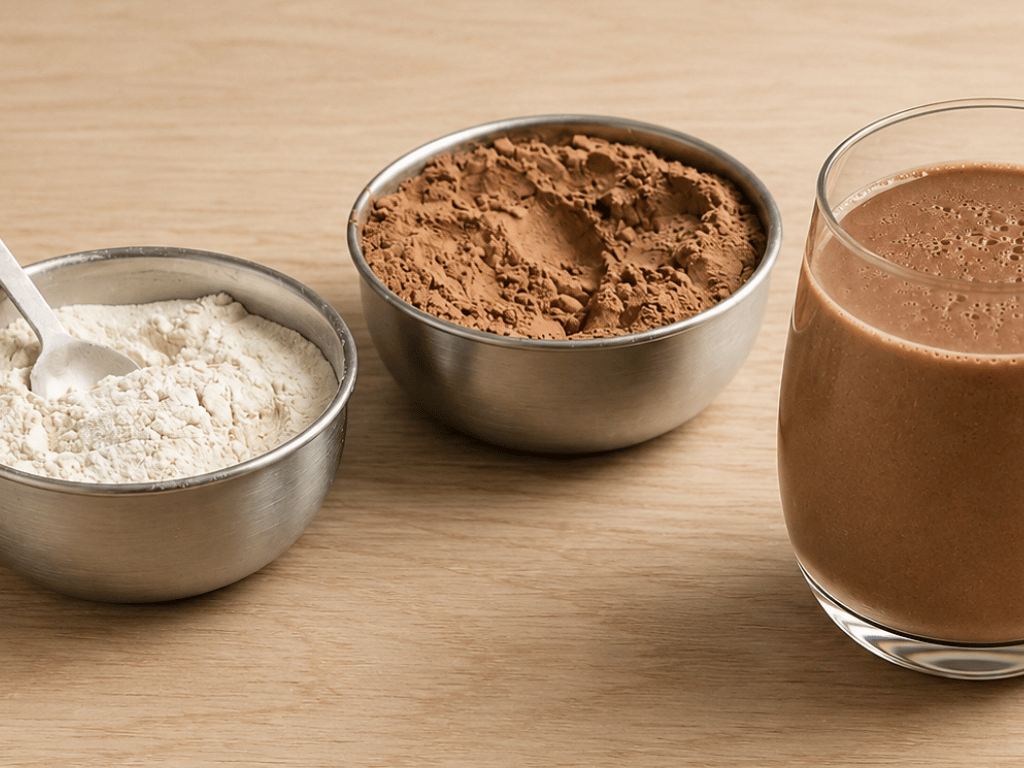
US startup Superbrewed Food has released the results of a clinical study on its postbiotic cultured protein, which has been found to outperform pea protein and match whey on muscle protein synthesis.
In the food world, protein is the name of the game right now. In the food tech world, that honour falls to fermentation.
Marry the two, and the family of microbial proteins is possibly best-placed to simultaneously overcome the sensory, nutrition and cost complaints that plague alternative proteins.
And with the whey market in overdrive, the need for more sustainable and resilient sources of protein is greater than ever. But can fermentation-derived versions really stack up?
That’s the question Superbrewed Food attempted to answer in its clinical study with Texas A&M University, which explored the efficacy of SB1, its postbiotic cultured protein ingredient, in comparison to animal- and plant-based sources.
Derived from microflora native to the human microbiome, the ingredient was found to perform comparably to whey protein isolate – the dietary protein considered the reference standard for muscle protein synthesis – and matched or outperformed pea protein, the most commonly used plant protein.
“For years, the alternative protein industry has asked consumers to trade nutrition for sustainability. This independent study, conducted by one of the most rigorous protein metabolism research labs in the world, shows that trade-off doesn’t have to exist,” said Superbrewed co-founder and CEO Bryan Tracy.
Superbrewed’s ingredient has similar protein quality and synthesis to whey
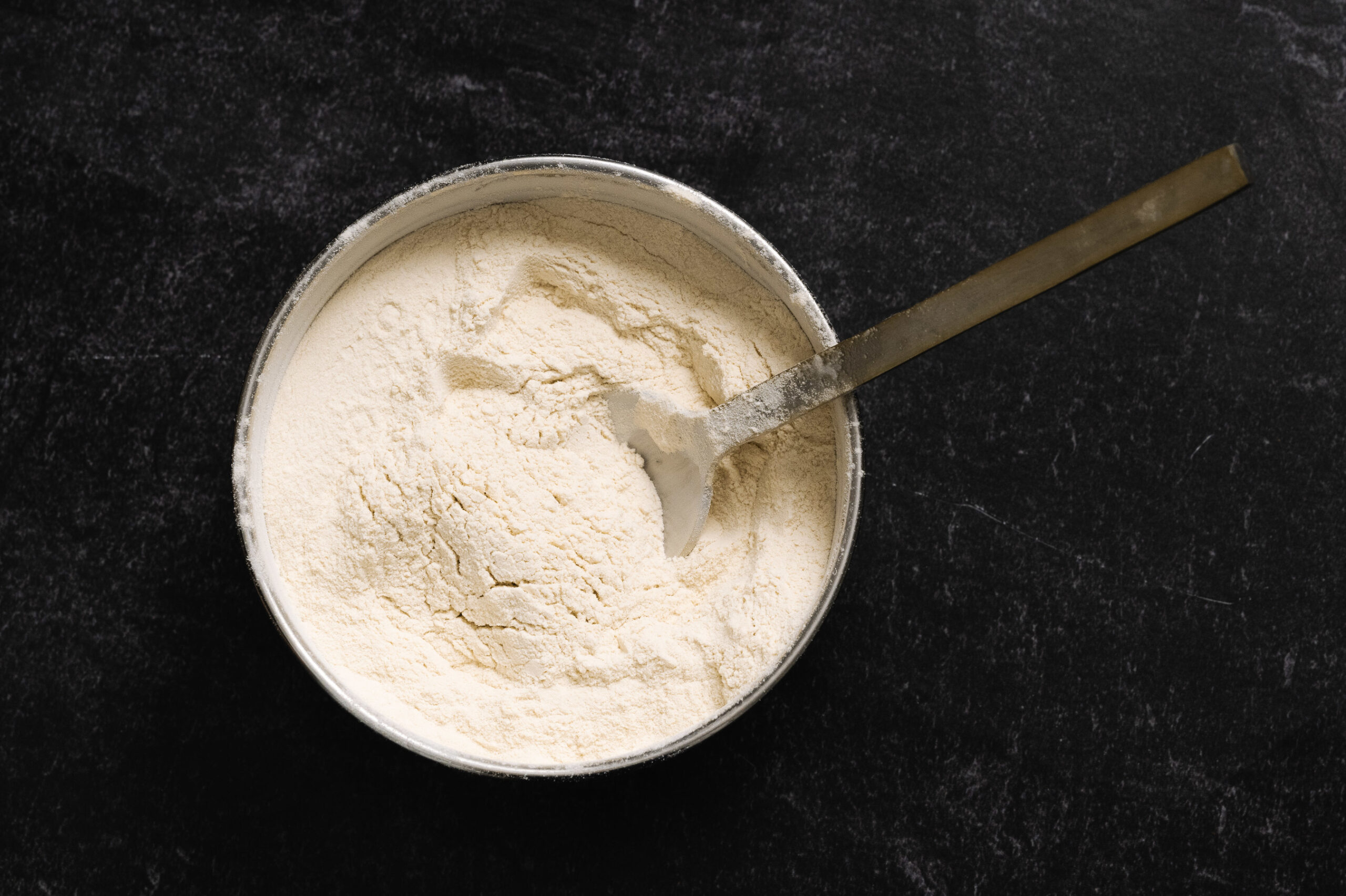
Superbrewed leverages anaerobic fermentation technology (an environment without oxygen) to produce its postbiotic protein. It uses Clostridium tyrobutyricum, a microbial strain known to have a neutral flavour, high pH and temperature stability, and beneficial functional properties.
The company explains that postbiotics are essential bioactive compounds produced by our gut microbiome that humans need to thrive. SB1 is a whole-food ingredient, rather than a protein isolate, with over 85% protein and a high amount of essential and branched-chain amino acids. It also contains “meaningful levels” of iron, zinc, phosphorus, and vitamin B12.
The study – supported by the public-private biomanufacturing consortium, BioMade – was a single-blind, randomised, placebo-controlled crossover trial involving 10 adults. On four non-consecutive days, participants consumed 45g of the assigned protein over five hours.
Three hours into the sip-feeding process, researchers administered an intravenous pulse containing 10 labelled essential amino acids to trace post-meal amino acid kinetics and the intracellular anabolic response. The study is the first to directly compare SB1 to whey and pea protein isolates using a novel stable isotope pulse technique that simultaneously measures these two metrics.
“This stable isotope pulse method lets us measure not just how much protein-derived amino acids appear in the blood after a meal, but how efficiently the body actually uses those amino acids inside the cell to build new protein,” said Nicolaas Deutz, the study’s principal investigator.
The net intracellular protein synthesis (the percentage of ingested protein) was statistically similar across the three sources, coming in at 65% for de-lactosed whey, 47% for pea, and 53% for Superbrewed’s microbial protein. The amino acid bioavailability was around 75% for all three, indicating that the latter delivers amino acids into circulation just as efficiently.
Moreover, each of the proteins showed a comparable shortfall of lysine and methionine relative to intracellular demand, forcing the body to draw on its own amino acid reserves to make up the difference. “Lysine emerged as the limiting amino acid across all three sources – even whey. That tells us protein quality can’t be assumed from a label; it has to be measured directly, and postbiotic protein measured up,” said Deutz.
The utilisation data also showed that formulators would need to add fewer essential amino acids to SB1 than to pea protein to optimise protein quality, which Superbrewed said was evidence of its ingredient’s superior amino acid base.
Postbiotic cultured protein targeted towards sports and lifestyle nutrition
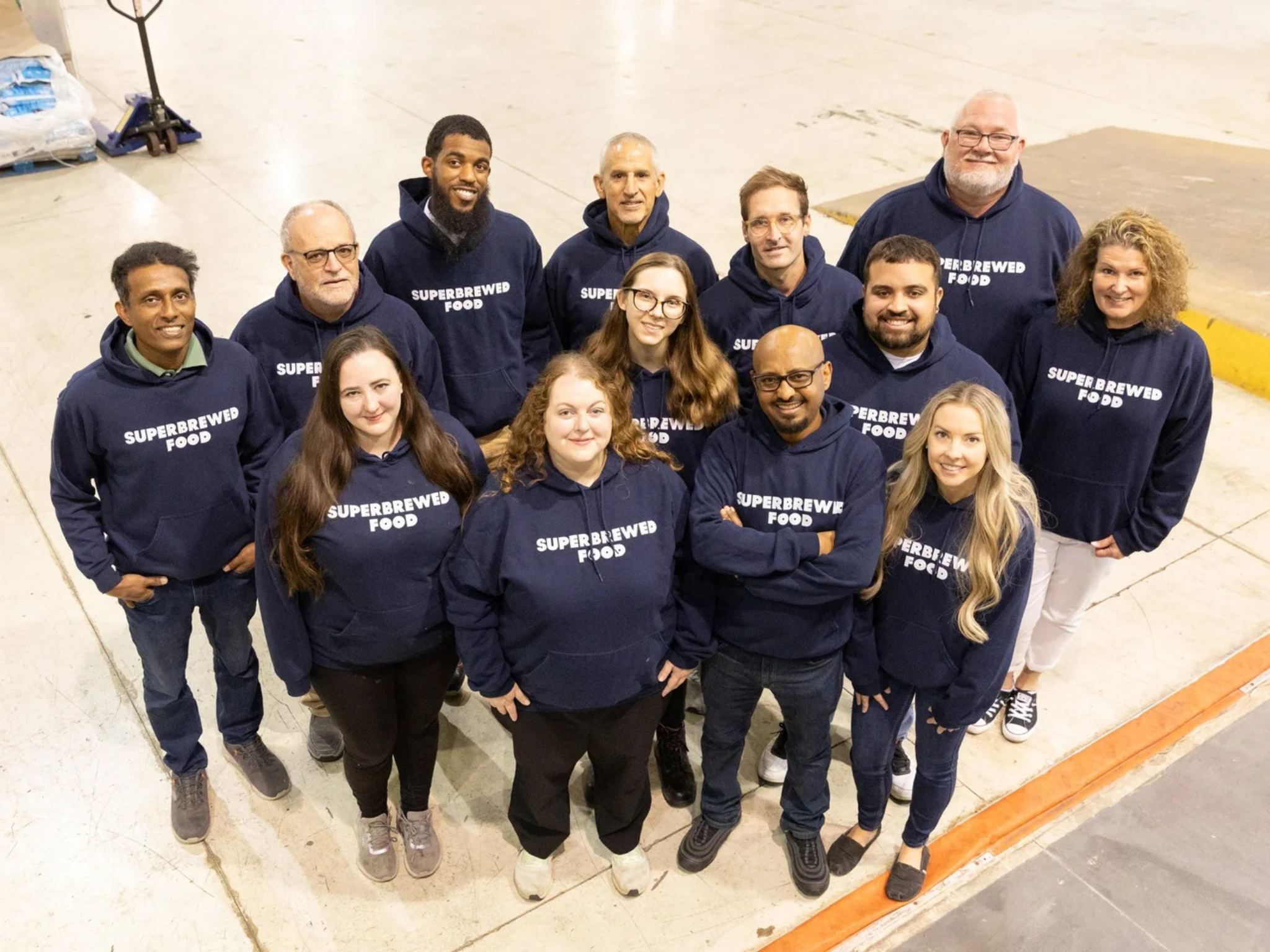
In a LinkedIn post, Tracy called the favourable findings for SB1 a “meaningful achievement for a completely new class of nutritional ingredient”.
The microbial protein is already approved for sale in the US, where it’s being geared towards the premium sports and lifestyle nutrition sector. In fact, it can be used both to replace or complement animal proteins in applications like meat analogues, sports drinks, baked goods, confectionery, and snacks.
It’s said to perform particularly well in dairy and non-dairy products, which is why Superbrewed has been working on process and product partnerships with New Zealand’s Fonterra and France’s Bel Group.
In February, Superbrewed began commercial-scale production of the ingredient at a facility owned by German manufacturing giant Döhler Group, which made a fresh investment into the startup. Initial volumes had already begun shipping across the Atlantic, with Superbrewed working to further expand capacity and advance broader commercialisation in the US next year.
Nearly three in five (57%) Americans are prioritising protein this year to increase energy (52%), build strength (51%), manage weight (48%), and stay fuller longer (41%). The rise of GLP-1 users from 10% in 2024 to 18% in 2025 has contributed to this boom, with 40% of them eating more protein.
Contracts for whey protein, meanwhile, have been sold well into 2026, and some supplies are sold out for the rest of the year. Whey prices broke records in 2025, and have kept on surging since. Over the last two years, the cost of whey protein concentrate has risen by 108%, and whey protein isolate has nearly doubled in price – making alternatives like Superbrewed’s SB1 ever more important.
“We’ve spent years exploring what I like to call whole-cell intelligence – the remarkable ability of entire microbial cells to deliver sophisticated nutritional and functional benefits that can’t be explained by any single molecule alone,” said Tracy.
“Nature has been perfecting these systems for billions of years. We’re just beginning to understand how to harness them. SB1 is our first demonstration of what this platform can achieve.”