

Horlicks Becomes Latest Entrant to India’s Yeast Protein Powder Wave

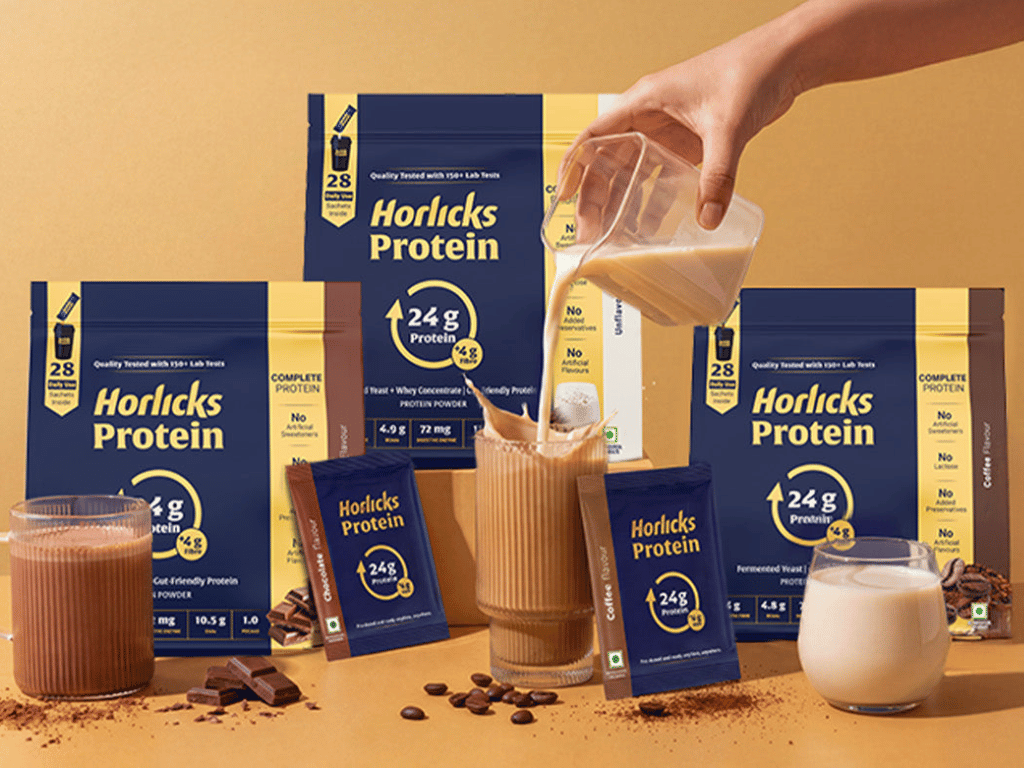
Hindustan Unilever, the Indian subsidiary of the CPG giant, has launched a line of yeast protein powders under the Horlicks brand, joining the country’s fast-growing microbial protein market.
Horlicks, the Unilever-owned brand known for its malted milk drinks, is giving a whole new meaning to its “Taller, stronger, sharper” tagline with its latest launch in India.
It has launched Horlicks Protein, a line of yeast protein powders targeting everyday consumers in a country increasingly obsessed with protein.
India’s per capita protein consumption is set to triple from 9.5kg in 2025 to 30kg in 2070; that would drive emissions to nearly eight times the estimated climate-safe threshold, making alternative protein solutions critical.
Hindustan Unilever, the Indian arm of the Dutch conglomerate, is part of an increasing share of companies betting on yeast protein to tackle the nation’s protein deficiency and decarbonise its future food supply.
The new fermentation-derived protein powders come in unflavoured, chocolate and coffee variants. The former is a blend of 79% yeast protein and 10% whey, but the latter two contain just yeast protein and are vegan-friendly.
“Horlicks has a legacy of over 100 years, built on strong science and nutrition credentials,” said Rajneet Kohli, executive director of foods at Hindustan Unilever. “As we continue to evolve with the changing needs of consumers, protein is a natural extension for the brand. We see an opportunity to make it more relevant and accessible for everyday lifestyles.”
Horlicks simultaneously targets protein digestion and gut health
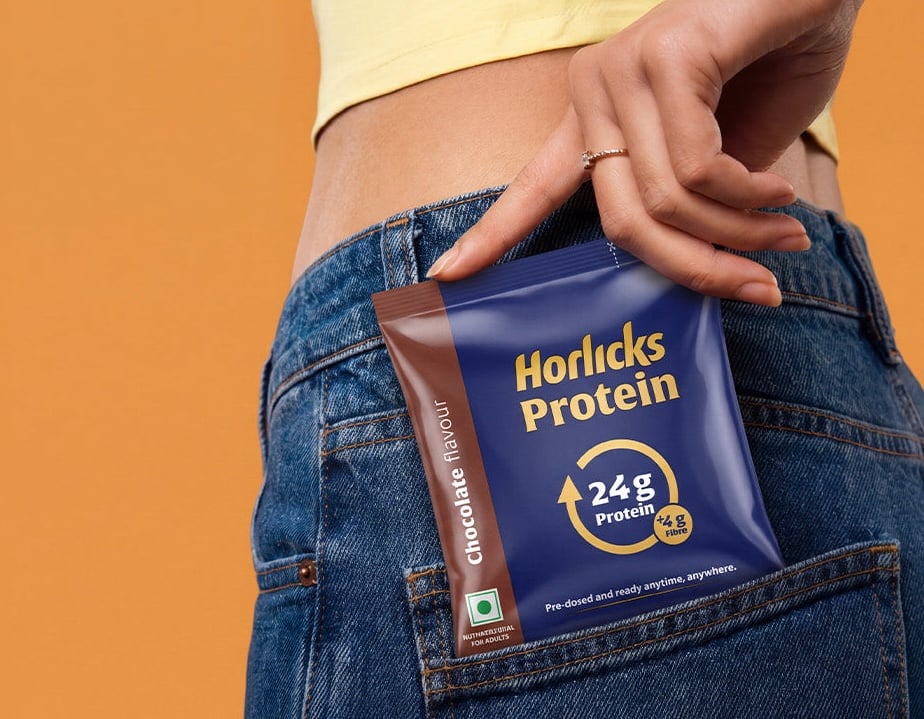
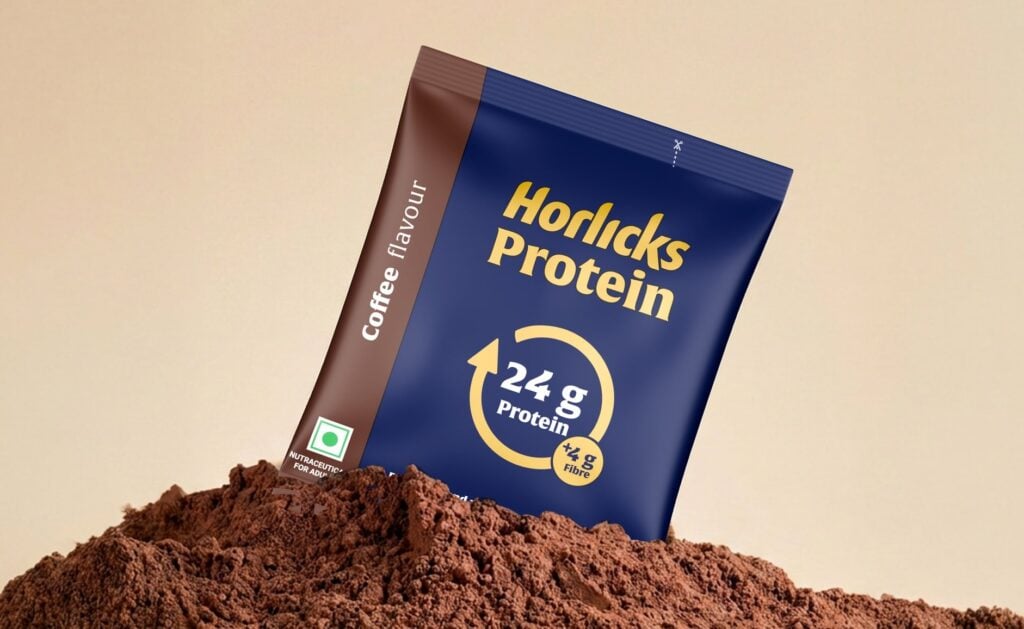
The coffee flavour combines 89% yeast protein with coffee powder, while the chocolate version has 86% of the protein blended with cocoa powder. The rest of the ingredient list is identical: chicory root, natural flavourings, monkfruit powder, papain (a digestive enzyme), and salt.
They deliver 24g of protein and 4g of fibre per 36g serving. Being a source of yeast protein, the lineup contains all essential amino acids and has a PDCAAS score of 1.0, a measure of high protein quality and digestibility.
“As consumers become more aware of protein, the conversation also needs to move from simply how much protein a product contains to the quality and completeness of that protein,” said Sujatha Jayaraman, VP and head of food R&D and regulatory affairs at Hindustan Unilever. “That thinking shaped the science behind Horlicks Protein Powder.”
She noted that the inulin, a prebiotic fibre, and papain, a plant-derived proteolytic enzyme, further aid protein digestion: “The result is a science-led formulation that brings together high-quality complete protein with ingredients selected to support protein digestion and gut-friendly nutrition in one product.”
The protein powders have been developed for daily nutrition rather than solely for fitness enthusiasts. Each 1kg pack contains 28 single-serve sachets, which the company says eschews the need to measure scoops and offers a convenient, easy-to-carry format. That said, it does add to the products’ packaging footprint.
“When we spoke to consumers, one insight that really stood out was that ‘life is a gym’, whether it is rushing through a busy workday, navigating a long commute, carrying groceries or simply keeping up with everything the day demands,” noted Kohli.
“This insight led to our larger thought: ‘Your day is the real workout.’ With Horlicks Protein Powder, our ambition is to make quality protein easier to incorporate into the everyday lifestyles of millions of Indians.”
Yeast protein dominates India’s future food market
Indians are gouging on protein. Polling shows that 37% of Indians want to add more plant proteins to their diets, and more want to increase their protein intake from plant-based sources than from animal products.
It’s a shift being driven by Gen Z, which accounts for 27% of the population and controls 35% of consumption spending. In a 2026 Ipsos survey, 82% of this cohort said it’s important to consume protein, and 91% are open to adopting plant-based foods (mainly to increase protein intake).
It’s also a response to the burgeoning GLP-1 market in India, which has already skyrocketed from $16M in 2021 to nearly $100M today. Weight-loss drugs are entering India at much lower prices than in the West, and analysts expect more than 50 branded semaglutide medications to enter the country this year.
A recent report by Asia Research & Engagement and the Federation of Indian Chambers of Commerce and Industry revealed that the expected boom in protein intake will have major implications for the country’s food security, agricultural production, natural resources, investment landscape, and environmental sustainability.
“To align protein consumption with sustainable and climate-safe levels, a gradual but significant shift in demand patterns toward alternative and more traditional plant-based proteins, alongside continued growth in traditional plant-based proteins, is required,” the report notes.
The researchers modelled a scenario where the share of alternative proteins in the country’s protein supply rises from 10% in 2035 to 35% in 2070, which it argues will be “driven by increased market maturity, technological advancement, and expanded consumer adoption”.
While plant-based proteins have been ascendant – appearing in new innovations by Orkla’s MTR Foods and McDonald’s, and pushing investors to back startups like Inaara NeoFoods and Earthful – it’s yeast protein that has really taken the industry by storm.
Companies like Cosmix, Sugarfit, Yoga Bar and SuperYou now all sell yeast protein powders, the latter forming the base of protein cold foams at Starbucks stores in India. Each of these companies is supplied by Arboreal Bioinnovations, which raised $24.2M in Series A funding in July, a sign of yeast protein’s attractiveness to investors and consumers alike.