

Europeans Urge Companies to Ditch the ‘Plant-Based’ Label & Focus on Taste Instead

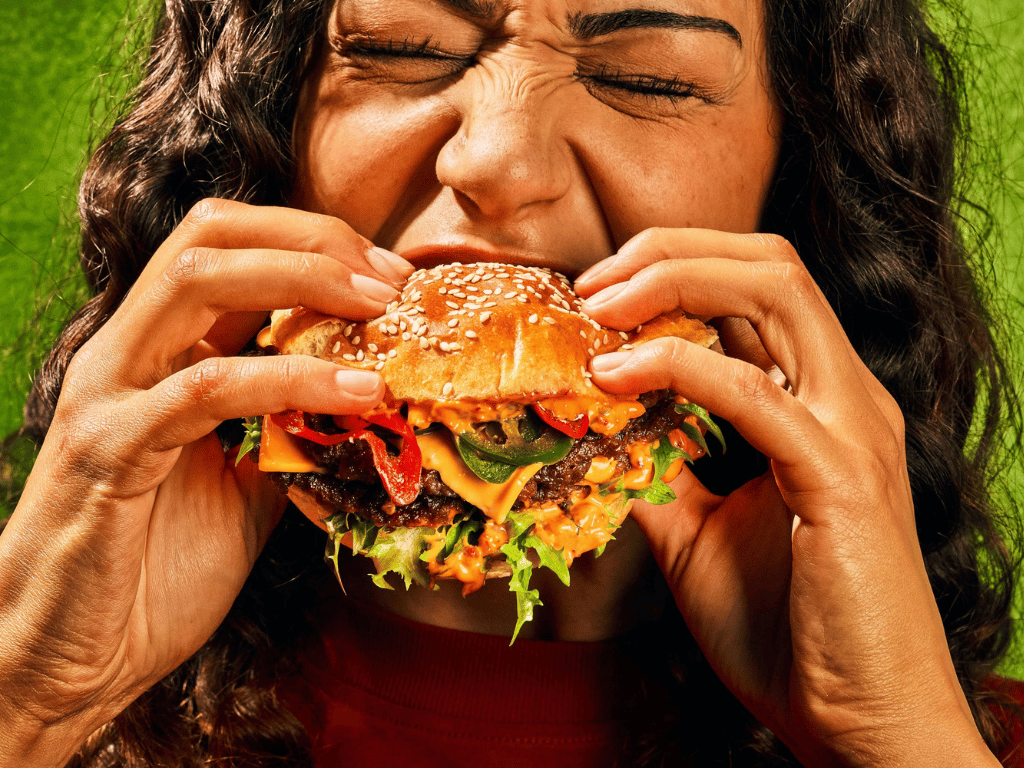
The ‘plant-based’ label puts Europeans off and feeds into the wider backlash against processed meat alternatives, but better-tasting products can win them over, a new survey shows.
A wave of research in recent years has confirmed one thing: consumers’ negative perception of terms like ‘vegan’ and ‘plant-based’ has calcified.
Now, a new survey by the EU-funded FoodChoices4Life project shows the extent of their impact. The team reviewed 73 consumer-facing and 83 chef-facing interventions, and polled citizens from eight EU countries, concluding that sustainability messaging needs a facelift.
“We’ve spent years telling people to eat plant-based, and a lot of that messaging simply hasn’t landed. People hear it as a lecture, not an invitation,” explained Betty Chang, research lead at the European Food Information Council (EUFIC), which is coordinating the project’s consortium.
Simple messages don’t cut it
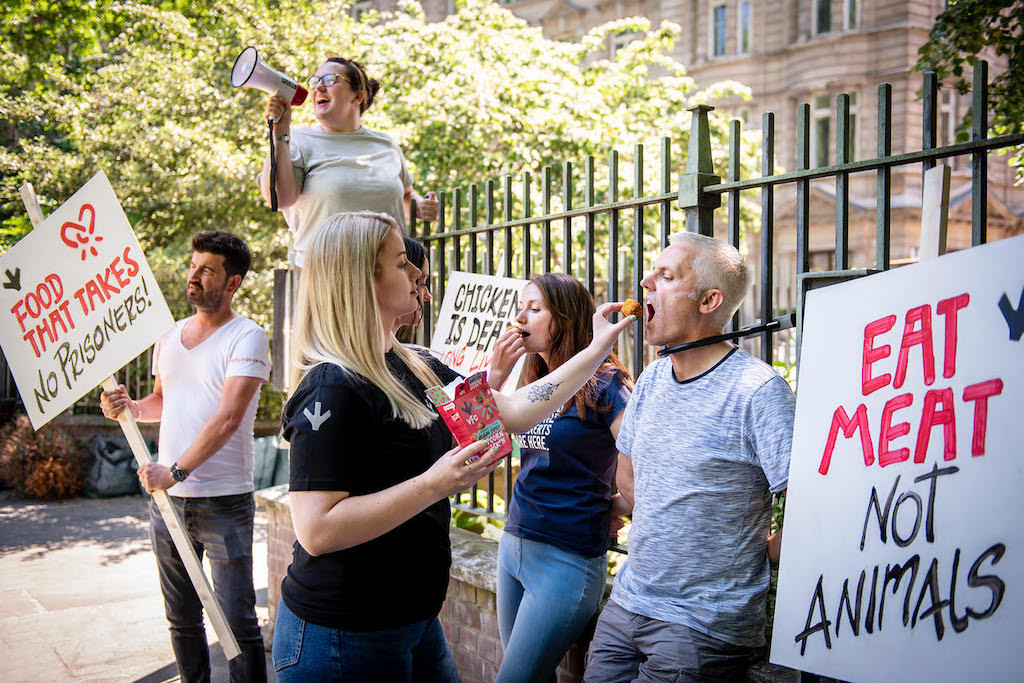
The FoodChoices4Life project aims to help Europeans cut dietary emissions by 25-30% and save households 5-10% on their weekly food expenditure through EU-wide campaigns on healthy eating, eco-friendly living, and food waste reduction.
A key part of that effort is shaping awareness around sustainability, but the current playbook misses the mark. EUFIC suggests that one of the biggest failures of the plant-based industry is that label itself, which repels consumers and feeds into a wider backlash against meat alternatives.
In fact, the researchers found that much of today’s messaging relies on a simple instruction, like “eat less meat” or “go plant-based”, delivered through a poster, leaflet, or social media post. That, however, is the “least effective approach” available.
Across Belgium, France, Germany, Italy, Poland, Romania, Spain and Sweden, only 58% of consumer-facing actions were shown to trigger any positive behavioural changes towards food, and simple messages and recommendations performed the worst of any approach (53%). Education, at 86%, was much more effective (albeit through just seven tested actions).
The same pattern materialised among chefs, too: 70% of actions succeeded overall, but simple communication strategies lagged at 69%, versus 76% for nudges like menu reordering and 91% for recipe changes.
This is in line with existing research. Multiple studies have shown that people are discouraged by labels like ‘vegan’, a finding confirmed by the World Resources Institute’s 2024 playbook of 90 intervention techniques to help people pick more sustainable options in foodservice settings.
How dishes are labelled and communicated to consumers was a key theme here, with the authors encouraging a shift from unappealing terms like ‘meat-free’ or ‘vegetarian’ towards indulgent and selective language to describe plant-based dishes (such as ‘chef’s special’ or words describing umami flavours).
“The language that we use to describe food can have a powerful influence on how we subsequently experience it. Research shows that certain language works particularly well to evoke mental simulations (or ‘mental images’) of what a dish will be like to eat. If these simulations are positive, they can tempt diners to change their choices by creating desire for plant-rich options,” the playbook noted.
Europeans prefer whole foods over processed plant-based meat
The way the message is delivered isn’t the only important thing. Its content is critical, too, especially around plant-based eating. According to the researchers, framing options such as adding plant-rich dishes to the menu without indicating they’re plant-based (28%) or highlighting their taste (37%) elicited far less enthusiasm than framing dishes as seasonal or local (59% and 60%, respectively).
This was true for actual choices as well. EU citizens are far more likely to cut down on meat by adding more vegetables (38%) or legumes (32%) to their plate than by opting for a plant-based meat product (27%). In fact, 36% would rather swap beef or lamb for chicken, pork, or fish rather than a vegan alternative.
Consumers aren’t averse to plant-based eating itself, but are rather resistant to processed meat analogues. So how can companies win them over? The respondents said they’re not a fan of their marketing as greener products, but would be drawn to these products if their taste and texture improved.
This chimes with a 2023 European survey, which found that taste was the top factor consumers considered before buying a plant-based product, as cited by 54%. The sentiment is echoed in the US, too, where companies like Impossible Foods have strayed from climate messaging to instead highlight the sensory and nutritional attributes of their meat alternatives.
Despite being historically more climate-literate than Americans, Europeans now find sustainability a murky subject. In a 2024 survey by the EIT Food Consumer Observatory, less than one in 10 of them wanted to prioritise this when it comes to food choices.
And a follow-up report published last month found that while 72% of Europeans think they know enough about healthy food and 62% can judge how healthful a product is, these figures fall to 52% and 47%, respectively, when it comes to sustainability. And among people with low trust in the food system, only 37% are able to determine how climate-friendly a food is, highlighting the importance of confidence in information sources.
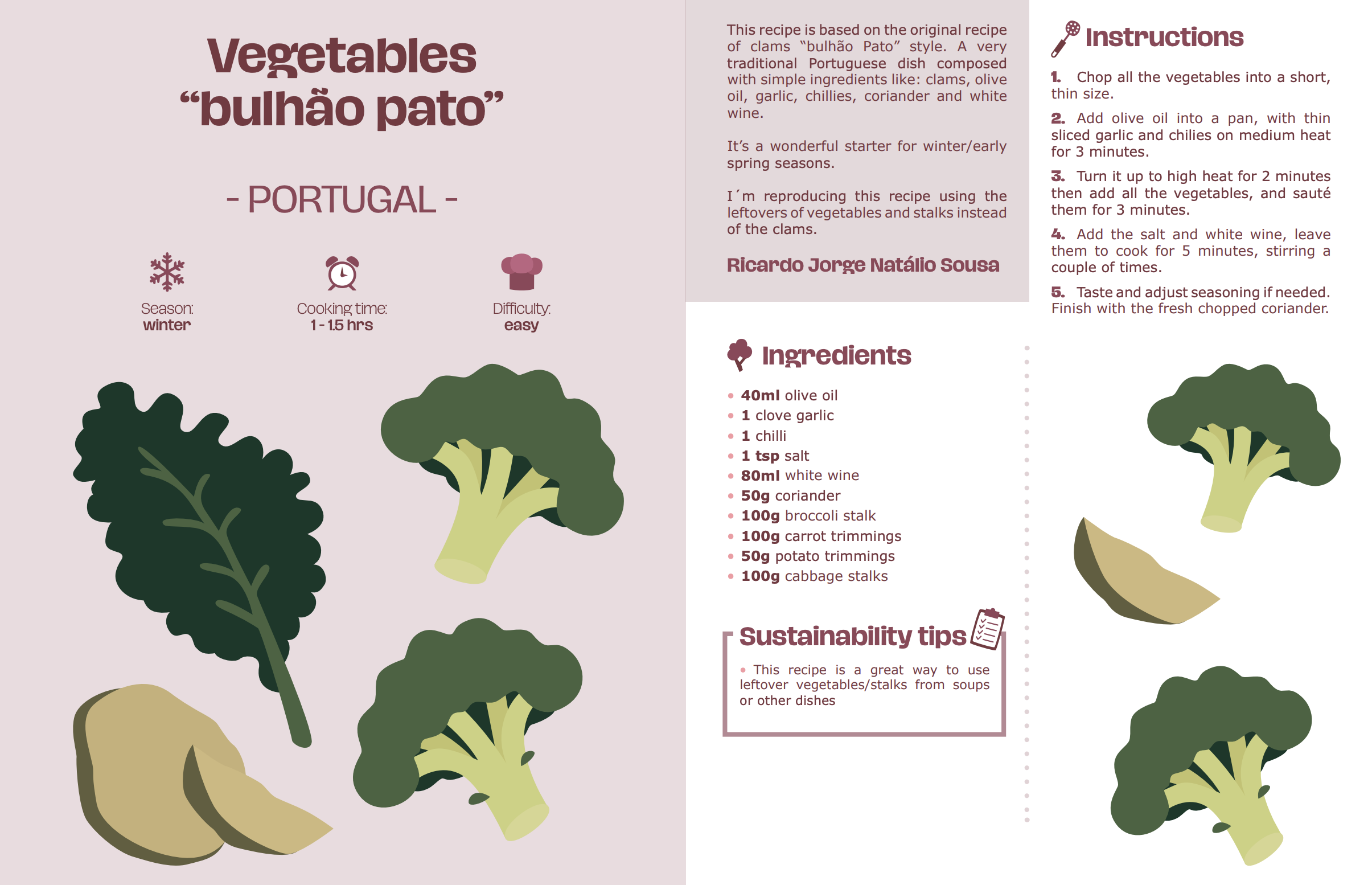
The FoodChoices4Life is hoping to shift consumer perception of sustainable eating through Cook4Climate, a public-facing campaign running in October that leverages chefs and influencers to offer resources such as a digital cookbook, cooking events, social media challenges, and an AI-driven food-waste app.
“Cook4Climate is built on what the research says actually works: small, tasty, feasible swaps, more veg, more legumes, more seasonal ingredients, tap water over bottled, for citizens, with chefs playing their part through practical, recipe-level changes,” said Chang.