

Nutrition From Water & Prolacto to Develop Protein- & Fibre-Rich Hybrid Dairy Blends

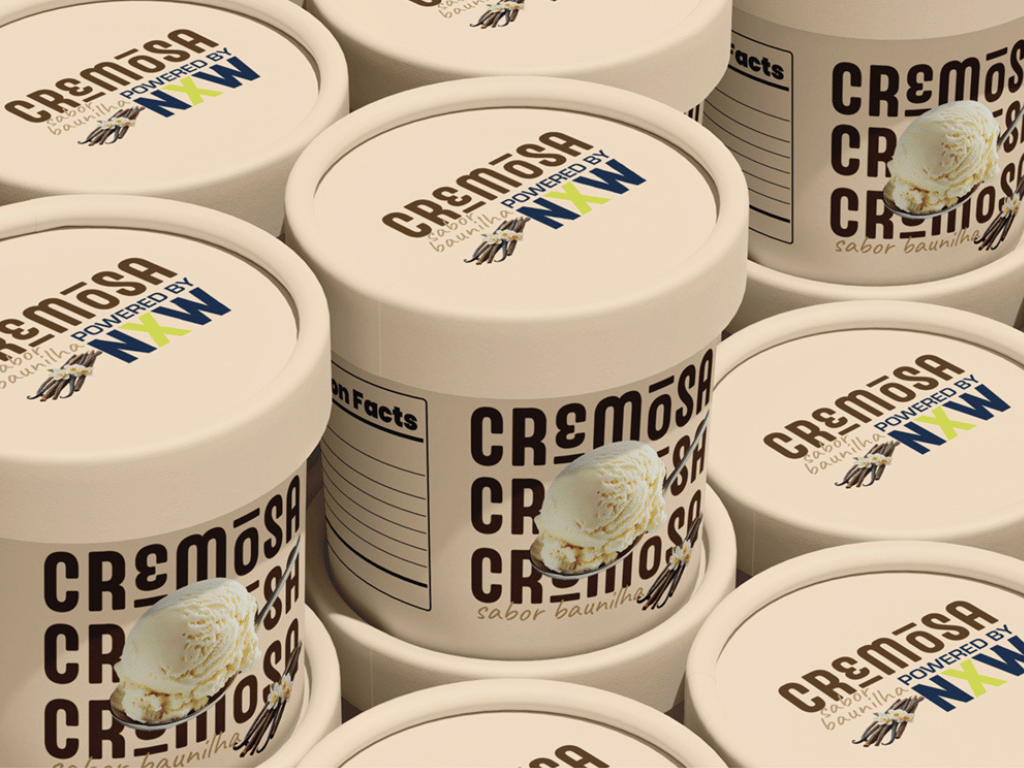
Food tech startup Nutrition From Water has teamed up with Portuguese ingredient giant Prolacto to develop functional blends that combine the former’s water-based proteins and fibres with the latter’s dairy platform.
The intertwining of plant and animal proteins has become a key tool to help people hop on the protein transition train, whether that’s through blended meat and seafood, or hybrid dairy products.
A new partnership in Portugal is focused on the latter, targeting consumers’ hunger for functional nutrition by combining proteins and fibres derived from water with conventional dairy.
The collaboration involves New Zealand-Portuguese microalgae firm Nutrition from Water (NXW) and Azores-based ingredients major Prolacto, which are exploring the co-development and commercialisation of hybrid dairy blends for the food and nutrition sector across the Iberian Peninsula, as well as joint international customers.
Combining water and dairy for the Iberian functional nutrition market

NXW was founded in 2020 by Alex Worker, Harnish Howard, and Toby Lane. The company’s technology leverages unicellular organisms from aquatic environments to make sustainable proteins for B2B clients.
It harnesses multiple microalgae strains to produce Marine Whey (MW), its range of fibre-rich alternatives to dairy proteins, via proprietary heterotrophic fermentation and downstream processing.
They cost a third of the price of conventional whey, and have superior functionality to caseinate, enabling adoption across multiple applications, including dairy beverages, baked goods, sauces, and performance nutrition.
NXW, which invested in microalgae startup PhycoFerm earlier this year, currently sells several protein ingredient lines under the MW line. MW50 is a white, flavour-neutral sodium caseinate replacement with 50% protein, MW70 Plus has 70% protein and is ideal for protein fortification, and MWG is a golden-hued (hence the name) fibre-rich ingredient with 35% protein, best suited for baking applications
The company has previously launched Marine Fiber 95, a microscopic-algae-derived beta-glucan with high solubility that supports immune activation, heart and metabolic health, and gut balance; and MWB, a line of tailored blends for affordable nutrition with 60% protein. But these are no longer visible on the company’s website.
Prolacto, meanwhile, has been around since 1968 and is based in a region responsible for 30% of overall milk production in Portugal, supplying dairy and non-dairy ingredients for the food and drink industry.
Its products include ingredients for infant nutrition, chocolate, bakery, ice cream, beverage mixes, and tailored blends and pre-mixed functional solutions, which are sold to both industrial and private-label clients globally.
The two companies are together targeting the functional nutrition market in the Iberian peninsula, which is mostly composed of Spain and Portugal, alongside Andorra, Gibraltar, and parts of France.
Hybrid dairy offers climate and nutrition wins – and an off-ramp from whey
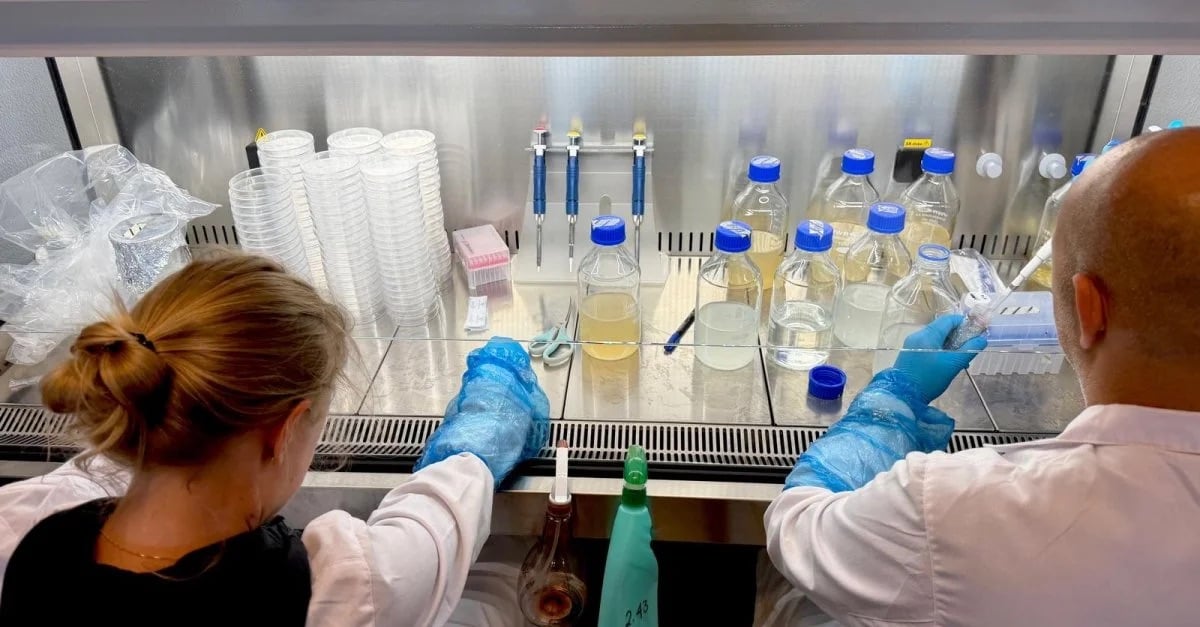
The partnership will combine NXW’s microalgae-derived proteins and fibres with Prolacto’s ingredients and blending capabilities to offer food companies “innovative, complete and differentiating solutions” for a range of applications.
“We have built our ingredient platform to complement dairy, not to compete with it,” said NXW CEO Federico Duarte. “Working with Prolacto is an opportunity to validate our thesis and bring to market solutions that combine the best of dairy, along with biomanufactured ingredients.”
By replacing a portion of dairy with plant proteins, companies can minimise the environmental impact of their food and drink products, while offering tailored nutritional benefits, such as lower saturated fat content and added fibre.
Blends also help reduce the reliance on whey protein, a market inundated with supply issues and price hikes. Whey prices broke records in 2025, and have kept on surging since. In fact, over the last two years, the cost of whey protein concentrate has risen by 108%, and whey protein isolate has nearly doubled in price.
“Our strategy is to build a broader ingredient platform through partnerships that add capabilities around our core expertise,” said Prolacto CEO Oscar Criado del Ray.
“NXW’s water-derived proteins and fibres complement Prolacto creating an opportunity to develop differentiated solutions around customer needs. We look forward to exploring how we can bring that value to customers across Iberia and selected international markets.”
Blended proteins have piqued consumer curiosity on a global level – 75% of millennials have expressed interest in these formats, with Gen Z (72%) and Gen X (66%) not far behind. That has prompted companies like PlanetDairy to introduce hybrid milks and cheeses in Sweden and the Netherlands – the latter market also features blended milks and yoghurts via a partnership between PlanetDairy and Albert Heijn.